
Why Professional Accountants Face Unique Liability Risks
Errors and omissions insurance for accountants protects CPAs, tax preparers, and accounting firms from financial losses due to professional mistakes, negligence claims, or client lawsuits. This specialized coverage handles legal defense costs, settlements, and judgments when clients allege that your professional services caused them financial harm.
Key Coverage Areas for Accountants:
- Negligence claims – Mistakes in tax returns, bookkeeping errors, or audit oversights
- Inaccurate advice – Financial guidance that leads to client losses
- Legal defense costs – Attorney fees, court costs, and settlements up to policy limits
- Regulatory proceedings – Coverage for disciplinary actions and investigations
As an accounting professional, you handle critical financial decisions that directly impact your clients’ bottom line. Even with the strongest internal controls and best practices, mistakes happen – and the financial consequences can be devastating.
Consider this reality: Nearly half of professional service providers, including CPAs, face substantial liability exposure. A single data entry error, missed deadline, or misinterpreted regulation can trigger a lawsuit that costs thousands in legal fees, even if you’re ultimately found not at fault.
The median cost for finance and accounting businesses is less than $35 per month for professional liability insurance, making it an affordable safeguard against potentially catastrophic financial losses.
I’m Ryan McEachron, Chief Executive Officer of ISU Insurance Services ARMAC Agency, where I’ve helped countless accounting professionals secure appropriate errors and omissions insurance for accountants coverage. With over 25 years of experience in the insurance industry, I understand the unique risks that CPAs and accounting firms face in today’s complex regulatory environment.

Errors and omissions insurance for accountants vocab explained:
- errors and omissions insurance
- errors and omissions insurance cost
- errors and omissions insurance for registered investment advisors
What is Errors and Omissions Insurance for Accountants?
Think of errors and omissions insurance for accountants as your professional safety net. This specialized coverage, also known as professional liability insurance or malpractice insurance, steps in when clients claim your professional services caused them financial harm. Whether it’s a mistake on a tax return, a missed deadline, or advice that didn’t pan out as expected, this insurance has your back.
Here’s what makes E&O different from your regular business insurance: it’s laser-focused on the professional services you provide. When a client points the finger at your work and demands compensation, errors and omissions insurance for accountants covers the legal defense costs, court fees, settlements, and judgments that can quickly drain your firm’s resources.
The beauty of this coverage is that it protects you even when you’ve done nothing wrong. Got sued by a disgruntled client who’s fishing for a settlement? Your E&O policy will cover those hefty attorney fees while you fight to clear your name. For a comprehensive look at how this protection works, check out our detailed guide on Errors & Omissions Liability.
Why This Coverage Is Essential

Let’s be honest – human error is part of being human. You could be the most careful CPA in California, but one transposed number or misunderstood regulation can trigger a lawsuit that costs more than your annual revenue. Even firms with bulletproof processes and triple-checking systems aren’t immune to mistakes.
The regulatory landscape never stops changing, either. New tax codes, accounting standards, and compliance requirements seem to pop up monthly. Keeping up with every nuance is like trying to hit a moving target while blindfolded. When you inevitably stumble on a new rule or interpretation, E&O insurance ensures that learning experience doesn’t bankrupt your practice.
Your reputation and client trust took years to build, but they can crumble overnight. When allegations fly – whether they’re justified or completely baseless – having errors and omissions insurance for accountants sends a powerful message. It shows clients you’re a professional who takes responsibility seriously and has the resources to make things right if something goes wrong.
The financial reality of litigation is sobering. Defense attorneys don’t work for free, and even winning a case can cost tens of thousands in legal fees. Court costs, expert witnesses, depositions – these expenses add up faster than compound interest. Your E&O policy handles these costs, giving you peace of mind and ensuring business continuity when legal storms hit.
Common Misconceptions
Many accounting professionals operate under dangerous assumptions about E&O insurance. The biggest myth? That it’s only for large firms. Solo practitioners and small accounting offices actually face higher risk because they lack the financial cushion to absorb a major lawsuit. When you’re running a lean operation, one significant claim can shut you down permanently.
Another misconception is that E&O only covers massive settlements. In reality, most of your policy’s value comes from covering legal defense costs for frivolous claims. Even when you’re completely in the right, proving your innocence in court costs serious money. Your insurance handles these expenses whether you win, lose, or settle.
Some accountants think they’re safe because they’ve never made a mistake. Unfortunately, you can still face a lawsuit even with a perfect track record. Clients sometimes look for scapegoats when their financial plans don’t work out, and you might find yourself defending work that was actually flawless.
Finally, don’t assume E&O is some magical shield that covers everything. This isn’t all-encompassing coverage – it specifically protects against claims related to your professional services. Intentional wrongdoing, fraud, property damage, and cybercrime typically fall outside its scope, which is why most firms need multiple types of business insurance to stay fully protected.
Decoding Your Coverage: What E&O Protects and Excludes
Think of your errors and omissions insurance for accountants policy as a detailed contract that spells out exactly what’s covered and what’s not. Unlike your car insurance, which follows pretty standard rules, E&O policies can vary significantly between insurers. That’s why understanding your specific policy scope, coverage details, exclusions, policy limits, and deductibles is absolutely crucial.
The devil really is in the details here. Critical coverage differences are often buried deep in the policy language, making it essential to review your policy carefully with an experienced agent. For a helpful general overview of how E&O insurance works, you can check out An overview of E&O insurance.
Specific Mistakes Covered for Accounting Professionals
Here’s the good news: errors and omissions insurance for accountants is specifically designed to protect you from the real-world mistakes that happen in our profession. Let’s walk through the types of situations where your policy will have your back.
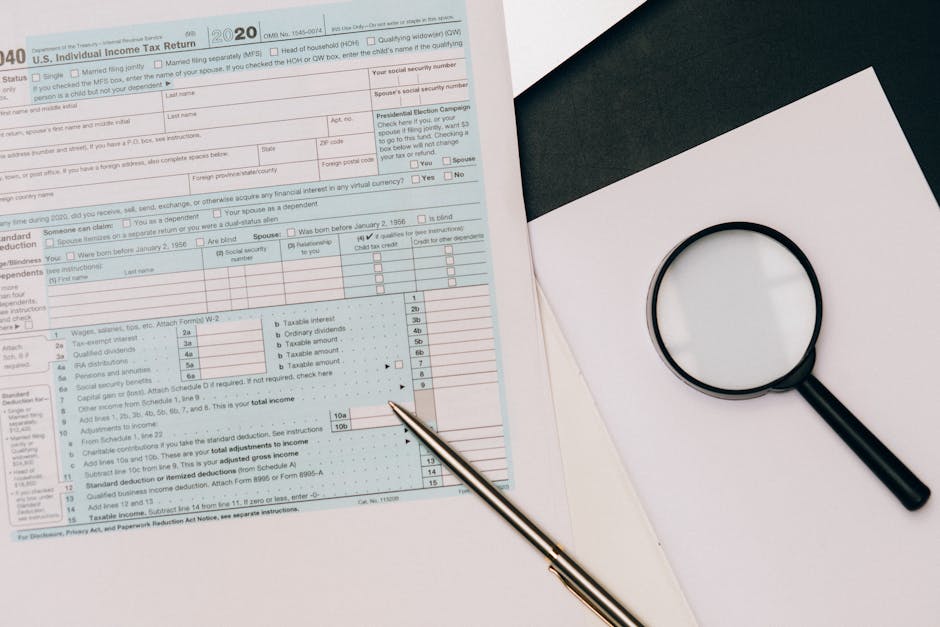
Tax preparation errors are probably the most common claims we see. Maybe you miscalculated a deduction, misinterpreted a new tax law, or accidentally used the wrong Social Security number. These seemingly small mistakes can lead to penalties, delayed refunds, or worse for your clients. Your E&O policy will cover the resulting claims and even help pay for legal representation if tax authorities get involved.
Bookkeeping mistakes happen to the best of us. Whether it’s recording a transaction incorrectly, misplacing important financial records, or categorizing expenses wrong, these errors can throw off financial statements. When clients suffer financial harm because of these mistakes, your policy steps in to protect you.
Audit oversights can be particularly costly. Even with rigorous procedures, something might slip through the cracks. If your audit fails to catch a significant financial misstatement that leads to investor losses or regulatory penalties for your client, E&O insurance covers the claims that follow.
As trusted advisors, we’re often asked for financial advice that clients rely on for major decisions. If your guidance turns out to be inaccurate or not in the client’s best interest, causing them financial loss, your policy provides protection from the resulting claims.
Missed deadlines for filings, reports, or other services can create serious problems for clients, including penalties and lost opportunities. Data entry errors might seem minor, but they can snowball into major financial discrepancies. Even a failure to advise a client about an important regulatory change or potential risk can lead to claims against you.
The beauty of E&O coverage is that it protects you whether the mistake was a direct action you took or something you should have done but didn’t.
What’s Typically Not Covered
Now for the reality check. While errors and omissions insurance for accountants is comprehensive, it’s not a magic wand that covers everything that could go wrong in your business. Understanding these exclusions helps you identify where you might need additional coverage.
Intentional wrongdoing and fraudulent acts are never covered. E&O insurance is designed for honest mistakes, not deliberate misconduct. If you intentionally deceive a client or commit fraud, you’re on your own. The same goes for any criminal or illegal activity.
Bodily injury and property damage fall under general liability, not professional liability. If a client trips in your office or you accidentally spill coffee on their laptop, that’s a different type of insurance claim entirely. For a clearer picture of these distinctions, take a look at What Does General and Professional Liability Cover?.
Employee disputes like wrongful termination, discrimination, or harassment claims require separate Employment Practices Liability coverage. Cybercrime and data breaches are increasingly common threats that typically need dedicated cyber liability insurance, though some E&O policies now include limited network security coverage.
Here’s something that catches many accountants off guard: most E&O policies are “claims-made” policies. This means they only cover claims made during the policy period for incidents that happened after your retroactive date. If you made an error before your policy started, it might not be covered unless you have prior acts coverage or maintained continuous coverage.
The key takeaway? E&O insurance is incredibly valuable for protecting against professional mistakes, but it works best as part of a comprehensive insurance strategy that addresses all the risks your practice faces.
Key Factors When Choosing Your E&O Policy
Choosing the right errors and omissions insurance for accountants isn’t just about finding the cheapest premium – it’s about making a strategic decision that protects your firm’s future. Think of it as building a financial fortress around your practice, and you want to make sure there aren’t any weak spots in the walls.
The most important thing to understand upfront is that E&O policies work differently than your car insurance. Most professional liability policies are “claims-made” policies, which means the policy that’s active when someone files a claim against you is the one that pays out – not necessarily the policy you had when the mistake happened.
This makes your retroactive date incredibly important. It’s like a timestamp that determines how far back your coverage reaches for past work. If you’ve been in practice for ten years but your retroactive date is only two years ago, you’re not covered for anything that happened in those first eight years.
Here’s where it gets tricky: if you let your coverage lapse or switch carriers without proper planning, you could lose your retroactive date and create dangerous gaps in protection. Maintaining continuous coverage is absolutely critical – even a single day without coverage can reset your retroactive date and leave you vulnerable.
When you’re ready to retire or leave the profession, you’ll need something called an Extended Reporting Period (ERP) or “tail coverage.” This allows claims to be reported after your policy ends for work you did while covered. It’s like keeping a safety net in place even after you’ve stopped walking the tightrope.
Factors Influencing the Cost of errors and omissions insurance for accountants
The cost of your errors and omissions insurance for accountants policy depends on several key factors that insurance companies use to assess your risk level. Understanding these can help you make informed decisions about your coverage.
Firm size plays a major role in pricing. Solo practitioners typically pay less than large firms simply because there’s less exposure – fewer people handling client work means fewer opportunities for mistakes. However, don’t let this fool you into thinking smaller firms need less protection. In many ways, solo practitioners are more vulnerable because they don’t have the financial cushion that larger firms might have to weather a lawsuit.
Your annual revenue directly impacts your premium because it reflects the volume and complexity of work you handle. A firm generating $5 million annually is likely handling more complex clients and transactions than one generating $100,000, which naturally increases the potential for costly mistakes.
The types of services you offer significantly affect your rates. Basic tax preparation and bookkeeping carry lower risk than auditing public companies or providing investment advisory services. If you’re doing forensic accounting or litigation support work, expect to pay more because these services often involve higher stakes and more complex legal environments.
Geographic location matters more than you might think. Some areas have more litigation-friendly courts or higher average settlement amounts. Our experience serving Southern California gives us insight into these regional factors that can impact your rates.
Your claims history is perhaps the most significant factor. A clean record can help keep your premiums reasonable, while past claims will likely increase your costs. Even claims that were ultimately found to be without merit can still impact your rates because they demonstrate that you’ve been in situations that led to legal action.
Finally, your coverage limits and deductible choices directly affect pricing. Higher limits mean higher premiums, while choosing a higher deductible can lower your annual cost – though you’ll pay more out-of-pocket if a claim occurs. For detailed information about pricing factors, visit our page on Learn more about E&O Insurance Cost.
What to Look for When Choosing an errors and omissions insurance for accountants Policy
When we help clients select their errors and omissions insurance for accountants policy, we always emphasize looking beyond the premium to ensure the coverage truly protects their unique practice. The cheapest policy isn’t always the best value if it leaves you exposed when you need it most.
Start with the definition of “professional services” in your policy. This needs to be broad enough to cover everything your firm actually does. If you provide bookkeeping, tax prep, reviews, compilations, and occasional CFO services, make sure all these activities are clearly covered. As your practice evolves, you don’t want to find that your new service line isn’t protected.
Subpoena assistance coverage is often overlooked but incredibly valuable. Accountants frequently get pulled into legal proceedings as witnesses or to provide records. Even when you’re not being sued, responding to subpoenas can be expensive and time-consuming. This coverage helps with those costs.
Look for coverage for regulatory and administrative proceedings. Client lawsuits aren’t the only threat you face. State boards, the AICPA, or other regulatory bodies might investigate your work or impose disciplinary actions. You want a policy that covers defense costs for these proceedings too.
Fines and penalties coverage can be a valuable add-on where legally permissible. While not available everywhere, this coverage can help with certain regulatory fines that result from covered errors.
The consent to settle clause gives you important control over your case. A favorable clause (often called “50/50”) means the insurance company can’t settle a claim without your agreement. However, if you refuse a reasonable settlement and the final judgment is higher, you might be responsible for part of the difference. This balance protects both your financial interests and your professional reputation.
Many quality policies include risk management and pre-claim assistance services. These might include access to hotlines staffed by CPAs who can help you steer tricky situations before they become claims. Think of it as having a professional mentor available when you’re facing a challenging client situation.
Given the sensitive financial data you handle, network security and privacy liability coverage is increasingly important. While your E&O policy might include limited cyber coverage, it’s worth understanding what’s included and whether you need additional cyber liability protection.
If you’re switching insurance carriers, full prior acts coverage is essential. This ensures your new policy covers services you provided under your previous policy, maintaining continuous protection without gaps.
Finally, an automatic Extended Reporting Period (ERP) provides a safety window to report claims after your policy expires or is canceled. Some policies even offer unlimited ERP for retirement situations, which can provide tremendous peace of mind as you wind down your practice.
The complexity of these policy features is exactly why working with an experienced broker makes such a difference. We understand the nuances of claims-made policies and can help ensure you maintain proper coverage continuity, especially when changing carriers or retiring from practice.
Frequently Asked Questions about Accountant E&O Insurance
We get lots of questions from accounting professionals who are exploring errors and omissions insurance for accountants for the first time. After helping hundreds of CPAs and accounting firms over the years, I’ve noticed the same concerns come up again and again. Let me address the most common ones we hear at ISU Armac.
Do solo practitioners and small firms really need E&O insurance?
This is probably the question I hear most often, and my answer is always the same: absolutely, yes. In fact, I’d argue that solo practitioners and small firms are more vulnerable than their larger counterparts.
Here’s why: when a big accounting firm faces a lawsuit, they usually have deep pockets and can weather the storm. But if you’re running a solo practice or small firm, a single significant claim could wipe you out financially. We’re talking about legal fees that can easily hit $50,000 or more, even for cases where you did nothing wrong.
Think about it this way – larger firms have multiple revenue streams and financial reserves to fall back on. As a solo practitioner, you’re the entire business. If you’re tied up in court for months or forced to pay a substantial settlement, where does that leave your practice?
Beyond the financial protection, having errors and omissions insurance for accountants actually helps you compete with larger firms. When potential clients see that you carry professional liability insurance, it signals that you’re serious about your business and prepared to stand behind your work. That’s a powerful selling point.
What is the difference between E&O and General Liability insurance?
I love this question because it gets to the heart of understanding what you’re actually protecting yourself against. The confusion is totally understandable – both are liability insurance, after all.
Errors and omissions insurance for accountants covers the financial mistakes and professional slip-ups that can happen in your day-to-day work. If you miscalculate a client’s taxes and they owe penalties, or if you miss a filing deadline that costs them money, that’s when your E&O policy steps in. It’s all about protecting against claims related to your professional services and advice.
General Liability insurance handles the physical world stuff. Picture this: a client comes to your office, trips over a loose carpet, and breaks their wrist. Or maybe you’re at a client’s location and accidentally knock over their expensive computer monitor. These are bodily injury and property damage claims that fall under General Liability.
The key difference? E&O protects against financial harm from your professional work, while General Liability protects against physical harm from your business operations. Most accounting professionals need both types of coverage for complete protection.
How much E&O coverage does an accountant need?
This is where things get personal, because the right amount of coverage really depends on your specific situation. I wish I could give you a simple number, but it’s not that straightforward.
Your firm’s size and revenue play a huge role. If you’re a solo practitioner doing basic tax returns, your risk exposure is different from a firm that audits publicly traded companies. Higher revenue usually means more complex work, which can lead to larger potential claims.
The types of clients you serve matter enormously. Preparing tax returns for middle-class families carries different risks than handling the books for multi-million dollar businesses. If one of your high-net-worth clients loses money due to your error, the damages could be substantial.
The complexity of your services is another major factor. Basic bookkeeping and simple tax preparation are generally lower risk than audit work, forensic accounting, or providing investment advice. The more complex your services, the higher your potential exposure.
Don’t forget about outside requirements either. Some clients, especially larger businesses, will require you to carry minimum coverage amounts before they’ll work with you. Certain professional associations also have requirements for their members.
Most errors and omissions insurance for accountants policies start around $1 million in coverage, which works well for many solo practitioners and small firms. But depending on your risk factors, you might need $2 million, $5 million, or even higher limits.
The best approach? Have an honest conversation with an insurance professional who understands accounting firms. We can walk through your specific situation and help you find the sweet spot between adequate protection and affordable premiums.
Conclusion: Secure Your Practice for the Future
The world of accounting has never been more complex or challenging. Every day, you make critical decisions that affect your clients’ financial well-being, steer ever-changing regulations, and handle sensitive data that could make or break a business. It’s demanding work that requires precision, expertise, and unwavering attention to detail.
But here’s the reality we all need to face: even the most skilled accountants are human. Mistakes happen. Regulations change overnight. Clients sometimes have unrealistic expectations. And in today’s lawsuit-happy world, even doing everything right doesn’t guarantee you won’t face a claim.
That’s where errors and omissions insurance for accountants becomes absolutely essential. Think of it as your professional safety net – not because you expect to fall, but because you’re wise enough to prepare for the unexpected.

This coverage goes far beyond just paying for lawsuits. It’s a comprehensive risk management strategy that protects everything you’ve worked so hard to build. Your reputation, your client relationships, your financial security – they’re all safeguarded when you have the right E&O policy in place.
More importantly, having errors and omissions insurance for accountants shows your clients that you’re a true professional who takes responsibility seriously. It demonstrates professional integrity and builds the kind of trust that keeps clients coming back year after year.
At ISU Armac, we’ve seen how the right coverage can make the difference between a minor bump in the road and a career-ending catastrophe. We understand the unique challenges facing accounting professionals because we’ve been helping firms like yours steer these waters for years.
What sets us apart is simple: we don’t just sell you a policy and walk away. We shop multiple carriers to find you the best coverage at the most competitive rates. We take the time to understand your specific needs, your risk profile, and your budget. Then we work tirelessly to match you with coverage that truly protects your practice.
Your accounting practice represents years of education, hard work, and dedication. Don’t let one claim or lawsuit put all of that at risk. Investing in proper E&O coverage isn’t just smart business – it’s essential for your peace of mind and your firm’s long-term success.
Ready to take the next step in protecting your practice? Get a quote for your Errors & Omissions Liability insurance today. Your future self will thank you for making this important decision now, before you need it.