
Why Dental Coverage Matters More Than Ever for Seniors
Dental PPO plans for seniors offer flexible, affordable coverage for essential dental services, allowing you to choose your own dentist while saving money through a network of preferred providers.
Key Features of Dental PPO Plans for Seniors:
- Preventive Care: 100% coverage for cleanings, exams, and X-rays with no waiting period.
- Basic Services: 50-80% coverage for fillings and extractions after a deductible.
- Major Services: 50% coverage for crowns, root canals, and dentures (may include waiting periods).
- Network Flexibility: See any dentist, but save more with in-network providers.
- No Referrals Required: Visit specialists directly without approval.
- Typical Costs: Plans start at $17-$41 per month depending on coverage.
A staggering 65% of Medicare beneficiaries lack dental coverage, and 19% spend over $1,000 out-of-pocket annually on dental care. Since Original Medicare doesn’t cover routine dental services, millions of seniors must choose between their oral health and their budget. This is a critical decision, as poor dental health is linked to serious conditions like heart disease and diabetes.
PPO (Preferred Provider Organization) plans bridge this gap. They provide the freedom to visit any licensed dentist while offering substantial savings with network providers. Unlike restrictive HMOs or discount plans, PPOs provide real insurance coverage without requiring referrals for specialists.
I’m Ryan McEachron, CEO of ISU Insurance Services ARMAC Agency. From my work in Victorville and the High Desert community, I’ve seen how the right dental PPO plans for seniors improve quality of life by making essential care affordable.

What is a Dental PPO Plan and How Does It Work?
A Dental PPO plan (Preferred Provider Organization) is a dental insurance option that gives you both flexibility and savings. The insurance company builds a network of dentists who agree to provide services at pre-negotiated, discounted rates.
The key benefit of a PPO is that you are never locked into this network. You can visit any licensed dentist you want, whether they’re in-network or out-of-network. When you choose an in-network dentist, you benefit from the discounted rates and pay less out-of-pocket. If you choose an out-of-network dentist, the plan still covers a portion of the cost, but you’ll likely pay more.
The financial structure is straightforward. You pay a monthly premium. When you need dental work, you may first need to meet a deductible. After that, the plan pays a percentage of covered services (coinsurance), and you pay the rest. This structure is vital for seniors, as issues like gum disease and dry mouth can require frequent treatments. A dental PPO plan for seniors provides a predictable way to manage these costs. For a deeper look, check out our guide on the best dental insurance coverage.
The Main Benefits for Seniors
PPO plans are popular with seniors because they combine flexibility with significant cost savings.
- Freedom to Choose Your Dentist: You can continue seeing a trusted dentist, even if they are out-of-network. The choice is always yours, though you save more with in-network providers.
- Lower Out-of-Pocket Costs: With in-network dentists, your share of the bill is calculated from a lower, pre-negotiated rate, leading to substantial savings over time.
- No Referrals Needed for Specialists: If you need to see a periodontist or oral surgeon, you can make an appointment directly without waiting for a referral.
- Nationwide Network Access: Many PPO plans offer extensive networks across the country, which is invaluable for seniors who travel or are snowbirds.
- Predictable Costs: Once you understand your deductible, coinsurance, and annual maximum, you can budget for dental expenses with more confidence.
Addressing Common Senior Dental Health Issues
As we age, our dental needs often increase. PPO plans are structured to help manage these challenges.
Regular check-ups are your first line of defense, and PPO plans prioritize this by typically covering 100% of preventive care (cleanings, exams, X-rays) with no waiting period. This encourages you to catch issues like cavities, gum disease, and oral cancer early.
With gum disease affecting a large portion of older adults, having coverage for periodontal care is critical. Untreated gum disease is linked to heart disease and diabetes. PPO plans also provide help with costs for essential restorative work like crowns and bridges, typically covering about 50% of the cost after a deductible and waiting period. Denture coverage is also usually included as a major service, making them more accessible for seniors on fixed incomes.
Original Medicare doesn’t cover routine dental care. This gap makes standalone dental PPO plans for seniors essential for maintaining oral health in retirement. For more context, the AARP guide to Medicare eligibility offers helpful information.
Key Features of Dental PPO Plans for Seniors
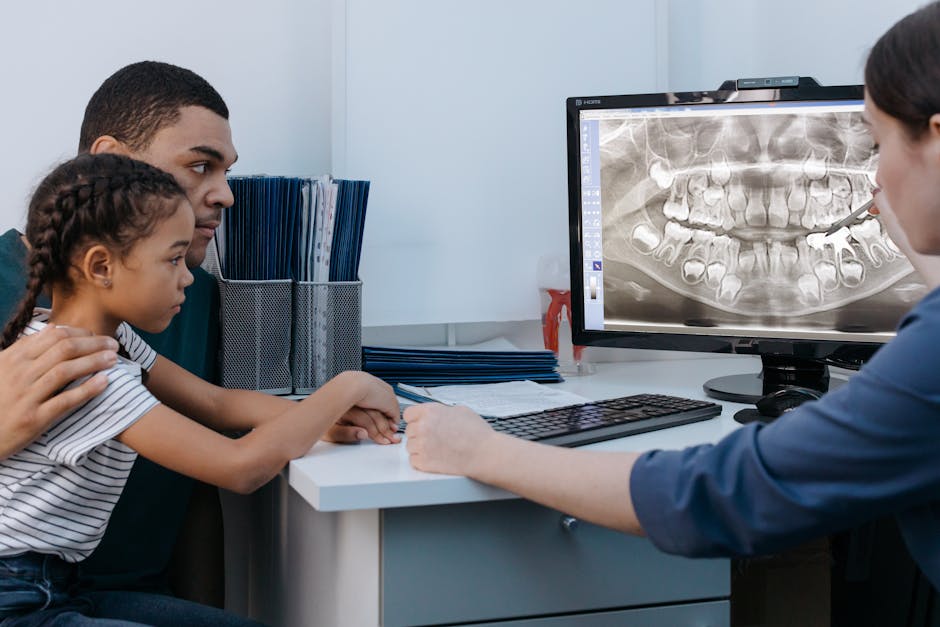
Understanding the structure of dental PPO plans for seniors is key to choosing the right one. Let’s break down the coverage tiers, costs, and waiting periods so you can feel confident in your decision.
Understanding Coverage: Preventive, Basic, and Major Services
Dental PPO plans organize coverage into three tiers:
- Preventive Care: Routine cleanings, exams, and X-rays typically receive 100% coverage with no waiting period and often no deductible. This encourages you to maintain regular check-ups.
- Basic Services: Services like fillings and simple tooth extractions usually get 50% to 80% coverage after you’ve met your deductible. A waiting period of about six months is common for these services.
- Major Services: Big-ticket items like root canals, crowns, bridges, and dentures typically receive about 50% coverage after your deductible, usually with a twelve-month waiting period. This coverage can make procedures costing thousands of dollars much more affordable. Coverage for dental implants varies, so check your plan details. For more on this, see our guide to Dental Implant Insurance.
Navigating Costs: Deductibles, Coinsurance, and Annual Maximums
Here are the key cost components you’ll encounter:
- Deductible: This is the amount you pay out-of-pocket before your insurance starts paying, typically $50 to $150 per year. Many plans waive the deductible for preventive services.
- Coinsurance: After your deductible, you share the cost with your plan. If your plan covers a service at 80%, your coinsurance is the remaining 20%.
- Annual Maximum: This is the most your plan will pay for your care in a calendar year, usually ranging from $1,000 to $2,000. This cap helps keep premiums affordable.
Monthly premiums for dental PPO plans for seniors can start around $17 to $41, depending on your age, location, and coverage level.
Waiting Periods and Exclusions in dental PPO plans for seniors
It’s important to know when you can use your benefits and what isn’t covered.
- Waiting Periods: You can use preventive care benefits immediately. Basic services often have a six-month waiting period, while major services typically have a twelve-month wait. Look for plans with shorter waiting periods if you need work done soon.
- Exclusions: Every plan has services it won’t cover. Cosmetic procedures like teeth whitening are rarely covered. Pre-existing conditions may be excluded or covered only after a waiting period. Adult orthodontia is also frequently excluded or has very limited coverage; you can learn more about Dental Insurance for Braces.
Comparing PPO Plans to Other Senior Dental Options
When exploring dental PPO plans for seniors, it’s helpful to see how they stack up against other options. Each type has different strengths and trade-offs.
| Feature | Dental PPO Plan | Dental HMO Plan | Indemnity Plan | Dental Discount Plan |
|---|---|---|---|---|
| Network | Large network of “preferred” providers; can go out-of-network | Restricted network; must choose a Primary Care Dentist (PCD) | No network; see any dentist | Network of participating dentists offering discounts |
| Dentist Choice | High flexibility; choose any licensed dentist (best savings in-network) | Limited flexibility; must use assigned PCD and specialists referred by them | Highest flexibility; choose any licensed dentist | High flexibility; choose any participating dentist |
| Referrals | Not required for specialists | Required for specialists | Not required for specialists | Not required |
| Cost Structure | Premium + Deductible + Coinsurance (lower for in-network) + Annual Maximum | Premium + Fixed Copays (no deductible/coinsurance) + No Annual Maximum (often) | Premium + Deductible + Coinsurance (often higher) + Annual Maximum | Membership Fee + Discounted Rates (no deductible/coinsurance/maximum) |
| Coverage | Pays a percentage of service cost | Pays fixed copay for services | Pays a percentage of service cost (reimbursement) | Provides a percentage discount on services |
| Waiting Periods | Common for basic/major services (6-12 months); none for preventive | Less common; some may have short waiting periods for major work | Common for basic/major services (6-12 months); none for preventive | None |
| Best For Seniors | Value flexibility, want to keep current dentist, need broad coverage | Value lowest premiums, comfortable with network restrictions, predictable copays | Value ultimate flexibility, don’t mind higher out-of-pocket costs/paperwork | Value low monthly cost, don’t need “insurance,” ok with discounts only |
PPO vs. HMO Plans
The main difference between PPO and HMO dental plans is flexibility versus cost. PPOs offer great network flexibility, letting you see any dentist, though you save more in-network. HMOs have network restrictions, requiring you to use a specific Primary Care Dentist (PCD) for all care and referrals. If you go outside the HMO network, you generally have no coverage.
In terms of cost, HMOs often have lower monthly premiums and use a fixed copay system for services, with no deductible or annual maximum. PPOs use deductibles and coinsurance (percentage-based payments) and have an annual maximum benefit. The best choice depends on whether you prioritize dentist choice or lower premiums.
PPO Insurance vs. Dental Discount Plans
It’s crucial to know that dental PPO plans for seniors are insurance, while dental discount plans are membership clubs. A PPO plan is an insurance policy where the company pays a portion of your dental bills. A discount plan simply gives you access to dentists who offer reduced rates to members; the plan itself pays nothing.
With a PPO, the plan pays a percentage of costs (e.g., 50% for a crown) after your deductible. With a discount plan, you pay a monthly membership fee and then pay the dentist directly for services at a discounted rate. For seniors needing only routine care, a discount plan can be appealing. However, for major work, the substantial coverage from a PPO plan can save you thousands. For more on individual options, learn about Individual Dental plans.
How to Choose the Best Dental PPO Plan for Your Needs

Finding the right dental PPO plan for seniors starts with a clear assessment of your personal needs, budget, and priorities.
Assessing Your Dental Health and Budget
Before comparing plans, think about your dental history and future needs. Do you just need routine cleanings, or do you anticipate major work like crowns or bridges? Is keeping your current dentist a priority? A PPO allows this, but check if they are in-network to maximize savings.
Next, evaluate your budget. Consider what you can afford for a monthly premium (typically $17-$41) and potential out-of-pocket costs like the deductible, coinsurance, and annual maximum (often $1,000-$2,000).
Questions to ask yourself before choosing a plan:
- Do I need immediate coverage for major work, or can I wait 6-12 months?
- Is keeping my current dentist more important than saving money with a network provider?
- Am I likely to need more than just routine cleanings this year?
- What is my budget for both premiums and potential out-of-pocket costs?
PPO Plans and Medicare: Bridging the Coverage Gap
A common surprise for seniors is that Original Medicare does not cover routine dental care like cleanings, fillings, or dentures. This creates a significant coverage gap, which is why 65% of Medicare beneficiaries lack dental insurance.
Standalone dental PPO plans for seniors are designed specifically to fill this gap. While some Medicare Advantage (Part C) plans include dental benefits, they can be more limited than a dedicated PPO plan, with smaller networks and lower annual maximums. It’s wise to compare the dental portion of a Medicare Advantage plan against a standalone PPO to see which offers better value. For enrollment information, Healthcare.gov is a useful resource.
Finding and Comparing dental PPO plans for seniors
You can find quotes on online marketplaces or directly from insurance carriers. However, working with an independent agent like us at ISU Armac simplifies the process. We shop multiple carriers to find the best plan for you.
We help clients in Victorville, Apple Valley, and Hesperia understand insurance terms and compare plans effectively. We look beyond the premium to consider the network size, annual maximum, and waiting periods to find the true best value. The goal is to find the plan that fits your health needs, budget, and lifestyle.
Frequently Asked Questions about Dental PPO Plans
Here are answers to some of the most common questions we hear from seniors about dental PPO plans for seniors.
Can I keep my current dentist with a PPO plan?
Yes, PPO plans offer the flexibility to see any licensed dentist you choose. However, you will save the most money by visiting a dentist who is in the plan’s network, as they have agreed to discounted rates. If your dentist is out-of-network, the plan will still cover a portion of the cost, but your out-of-pocket expense will be higher. It’s always a good idea to check if your dentist is in-network before enrolling.
Are dental implants covered by senior PPO plans?
Coverage for dental implants varies widely between plans. Many dental PPO plans for seniors treat them as a major service, which typically involves a 12-month waiting period and 50% coinsurance after you meet your deductible. However, some plans may not cover implants at all. It is essential to review the plan documents or speak with an agent to confirm implant coverage if this is a procedure you anticipate. For more details, you can explore Dental Implant Insurance.
What happens if I need emergency dental care while traveling?
This is a key benefit of PPO plans, especially for seniors who travel. Most national PPO plans provide coverage for emergency dental services across the country. Because you can see any licensed dentist, you can seek emergency treatment from an out-of-network provider and still receive coverage. Before you travel, confirm your plan’s specific policy on out-of-area emergency care to understand how claims are processed and what your costs might be.
Secure Your Smile for the Future
As we’ve explored, dental PPO plans for seniors offer a compelling balance of flexibility and cost savings. They bridge the significant dental coverage gap left by Original Medicare, empowering you to manage your oral health—which is closely tied to your overall well-being—without facing overwhelming costs.
At ISU Armac, we serve seniors across the High Desert, including Victorville, Apple Valley, and Hesperia. We understand that insurance can be complex. As an independent agency, our job is to simplify it for you by shopping multiple carriers to find the plan that truly fits your needs and budget. We work for you, not an insurance company, providing clear, honest guidance to help you find the best value.
Don’t let dental concerns diminish your quality of life in retirement. You deserve to enjoy it with a healthy, confident smile. Take control of your dental health today by reaching out to us to explore your dental insurance options for retirees with a team that puts your needs first.