
Dental insurance for retirees is crucial in maintaining not only a confident smile but also overall well-being. As we age, oral health becomes more intertwined with general health concerns. For quick answers, here’s what you need to know:
- Medicare does not cover routine dental care. Retirees may need separate dental insurance.
- Dental insurance helps cover costs for preventive, basic, and major services.
- Retirees have options like standalone dental plans or Medicare Advantage plans with dental benefits.
Understanding your dental coverage options can lead to significant cost savings and better health outcomes.
I’m Ryan McEachron. With a background in insurance services and experience on various community boards, I have a deep understanding of the unique needs of retirees when it comes to dental insurance. As you continue reading, I’ll guide you through the essentials of navigating dental insurance for retirees for ensuring the best possible care.
Essential dental insurance for retirees terms:
– insurance for dental practice
– insurance for dentist
Understanding Dental Insurance for Retirees
Navigating dental insurance for retirees can feel like wandering through a maze. But don’t worry, we’ll make it simple. Let’s break down how Medicare, coverage gaps, and supplemental plans fit into the picture.
Medicare and Dental Coverage
First things first: Medicare doesn’t typically cover dental care. If you’re relying solely on Original Medicare (Parts A and B), you’ll find that routine dental check-ups, cleanings, and other common procedures aren’t included. This can be surprising to many retirees, as studies show more than half of workers aged 50-64 are unaware of this gap.
However, there is a glimmer of hope with Medicare Advantage plans. These plans, offered by private insurers, often include dental benefits. According to Avalere Health, 63% of Medicare Advantage enrollees had access to dental coverage in 2017. But remember, coverage can vary widely, from basic preventive care to more comprehensive plans.
Filling the Coverage Gaps
Given these gaps, many retirees choose supplemental dental plans. These standalone plans can be purchased from private insurers and offer a range of coverage options. They typically cover preventive, basic, and major services, helping to bridge the gap left by Medicare.
For example, a Delta Dental PPO plan might cover most preventive services, with an annual deductible and a cap on benefits. This can be a lifesaver for retirees who need more than just the basics.
Why Supplemental Plans Matter
Supplemental plans are not just about filling gaps—they’re about ensuring peace of mind. Dental health is closely linked to overall well-being. Chronic conditions like diabetes and heart disease can be affected by poor oral health. Retirees, who may be more susceptible to these conditions, benefit greatly from regular dental care.
Moreover, the cost savings from having dental insurance can be significant. Without coverage, retirees might face hefty out-of-pocket expenses for procedures like crowns or root canals. In 2016, the average out-of-pocket expense among Medicare enrollees who needed dental care was $607, but it can run much higher for more complex procedures.
Understanding these options and how they fit into your healthcare plan can make a world of difference. It ensures you’re not caught off guard by unexpected costs and helps maintain your overall health as you enjoy your golden years.
Next, we’ll dive deeper into the top considerations for choosing the best dental insurance plan for retirees.
Top Considerations for Retiree Dental Insurance
Choosing the right dental insurance for retirees is like picking the perfect pair of shoes—it’s all about fit, comfort, and getting the most value for your money. Here are the key factors to consider:
Plan Options
Retirees have several plan options to choose from, each with its own perks and pitfalls. Understanding these options is crucial:
Medicare Advantage Plans: These often include some dental coverage, but the extent can vary. Some plans cover only preventive services, while others may offer more comprehensive dental benefits. Always read the fine print to know what’s included.
Standalone Dental Plans: These are offered by private insurers and can be custom to your specific needs. They typically cover preventive, basic, and major services. This flexibility is a big plus.
Dental Discount Plans: These aren’t insurance per se, but they offer discounts on dental services through a network of dentists. They’re a good option if you don’t need extensive coverage but want to save on routine care.
Coverage Levels
Coverage levels determine how much of your dental expenses will be paid by the insurance:
Preventive Care: Most plans cover 100% of preventive services like cleanings and check-ups. This is crucial for maintaining oral health and catching issues early.
Basic Services: These include fillings and simple extractions. Coverage usually ranges from 70% to 80%, which helps manage costs.
Major Services: Think crowns, bridges, and dentures. Coverage here is typically lower, around 50%. Some plans may have waiting periods for these services, so plan ahead.
Flexibility
Flexibility is a key consideration, especially if you have a preferred dentist or specific dental needs:
Network Providers: Some plans require you to use in-network dentists to get the best rates. Others, like indemnity plans, let you see any dentist but might come with higher costs.
Customizable Plans: Some insurers allow you to adjust your coverage levels or add extras like orthodontic care. This can be beneficial if your dental needs change over time.
Annual Maximums: Most plans have a cap on how much they will pay per year. Choose a plan with a higher maximum if you anticipate needing more extensive dental work.
By considering these factors, you can find a dental insurance plan that fits your needs and budget. This ensures you get the care you need without breaking the bank.
Next, we’ll explore the benefits of having dental insurance as a retiree and how it can impact your overall health.
Benefits of Dental Insurance for Retirees
Dental insurance is more than just a safety net. It’s a tool that can significantly improve the quality of life for retirees. Let’s break down the key benefits:
Preventive Care
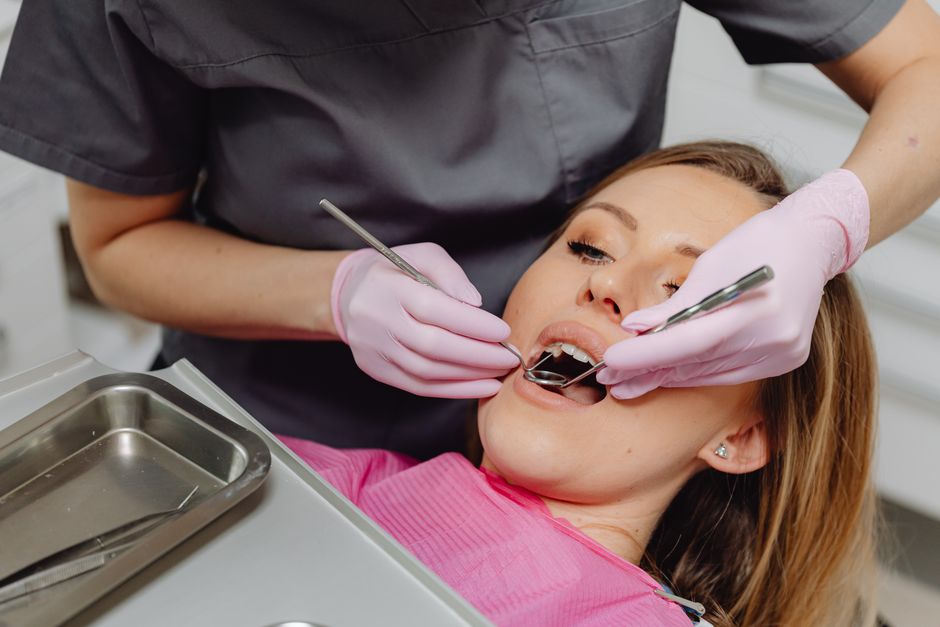
Preventive care is the cornerstone of dental health. Most dental insurance plans cover 100% of preventive services, such as routine check-ups, cleanings, and X-rays. These services are essential for catching potential problems early. Regular visits to the dentist can help maintain oral health, which is directly linked to overall health. For retirees, this means fewer health complications down the road.
Cost Savings
Dental insurance can lead to substantial cost savings. Without insurance, dental procedures can be expensive. For example, dentures can cost between $1,050 and $2,500, while periodontal cleaning ranges from $120 to $200. With insurance, these costs are significantly reduced. Plans often cover a percentage of basic and major services, helping retirees manage their healthcare expenses effectively.
Overall Health
Good oral health is crucial for maintaining overall health. Poor dental hygiene can lead to serious health issues, such as heart disease and diabetes. Regular dental care can prevent these problems, contributing to a healthier lifestyle. Retirees who maintain their oral health are likely to experience fewer medical complications, leading to a better quality of life.
In summary, dental insurance offers retirees peace of mind by encouraging preventive care, reducing costs, and promoting overall health. This makes it an essential investment for anyone looking to enjoy their golden years with a healthy smile.
Next, we’ll discuss how to choose the right dental insurance plan that meets your specific needs and preferences.
How to Choose the Right Dental Insurance Plan
Choosing the right dental insurance for retirees involves considering several key factors. Let’s break it down into simple steps to help you make an informed decision.
Assess Your Coverage Needs
First, think about what types of dental care you need. Are you looking for basic preventive care, or do you anticipate needing major procedures like dentures or implants? Most plans offer different levels of coverage for preventive, basic, and major services.
For example, preventive care is often covered at 100%, while basic services might be covered at 70-80%, and major services at 50-60%. Understanding your specific needs will guide you in selecting a plan that offers the right balance of coverage.
Evaluate Network Providers
Next, consider the network of dental providers. Some plans, like Dental Health Maintenance Organizations (DHMO), require you to use in-network dentists for coverage. Others, like Dental Preferred Provider Organizations (DPPO), offer more flexibility but may come at a higher cost if you choose out-of-network providers.
If you have a favorite dentist, check if they are part of the plan’s network. Staying with a preferred dentist can make your dental care experience smoother and more comfortable.
Consider Cost Factors
Cost is a significant factor when choosing a dental insurance plan. Here are some key components to consider:
- Premium: The monthly amount you pay for the plan.
- Deductible: The out-of-pocket amount you must pay before the insurance kicks in.
- Coinsurance/Copay: The percentage or fixed amount you pay for services after meeting your deductible.
For example, if your plan covers 80% of a $100 filling, you’ll pay $20. Also, keep an eye on the annual maximum, the limit your plan will pay in a year. Once you reach this limit, any additional costs are out-of-pocket.
Balance Flexibility and Affordability
Finally, weigh the flexibility of the plan against its cost. While DHMOs are typically less expensive, they offer less flexibility than DPPOs. Fee-for-Service plans provide the most freedom but tend to be pricier.
In summary, when selecting dental insurance for retirees, consider your coverage needs, check network providers, and evaluate cost factors. Balancing these elements will help you find a plan that fits both your healthcare needs and budget.
Next, we’ll address some frequently asked questions about dental insurance for retirees to further clarify your options.
Frequently Asked Questions about Dental Insurance for Retirees
Does Medicare cover dental care?
One common question is whether Medicare covers dental care. The short answer is no. Traditional Medicare does not usually cover routine dental care, such as check-ups, cleanings, or fillings. It only covers dental procedures when they’re necessary for another covered health condition. For example, if you need a tooth extraction before a medical procedure.
However, Medicare Advantage plans, offered by private companies, often include some level of dental coverage. These plans might cover preventive services like cleanings and exams, but coverage for more complex procedures, like dentures, can vary.
What are common dental procedures and their costs?
Understanding the cost of common dental procedures can help you plan your budget. Here are a few examples:
Dentures: If you’re considering dentures, expect to pay between $1,050 and $2,500 for removable options. Costs can vary based on materials and customization.
Periodontal Cleaning: This deep cleaning procedure is essential for those with gum disease. Costs range from $120 to $200 per session.
Knowing these costs can help you decide on the level of coverage you need and whether supplemental insurance might be beneficial.
How can retirees save on dental insurance?
Saving on dental insurance for retirees is possible with a few strategic choices:
Discount Plans: These plans are not insurance but offer reduced rates on dental services from participating providers. They’re a good option if you’re looking for savings without the commitment of full insurance.
Supplemental Insurance: If Medicare Advantage or traditional Medicare doesn’t cover enough of your dental needs, consider a supplemental plan. These plans can help cover additional costs like dentures or periodontal treatments.
By exploring these options, retirees can find ways to manage their dental care expenses effectively.
Next, we’ll wrap up by discussing how ISU Armac can provide personalized insurance solutions to help you maintain a healthy smile throughout your retirement.
Conclusion
As we wrap up our discussion on dental insurance for retirees, it’s clear that choosing the right plan can make a significant difference in your oral health and overall well-being. At ISU Armac, we understand the unique challenges retirees face when it comes to dental coverage. That’s why we’re committed to offering personalized insurance solutions custom to your needs.
Our team in Southern California is dedicated to helping you steer the complexities of dental insurance. We shop multiple carriers to find the best coverage at the most competitive rates, ensuring you get the most value for your investment.
Whether you’re looking for a plan that covers routine check-ups, major procedures, or something in between, we have options to suit every preference and budget. Our goal is to keep you smiling with confidence, knowing that your dental health is in good hands.
For more information on how we can assist with your dental insurance needs, visit our Group Dental Insurance page. Let us help you find the perfect plan to maintain a golden smile throughout your retirement.