
Protecting Your Manufacturing Business in Today’s Complex Environment
Manufacturer insurance is a specialized insurance package designed to protect manufacturing businesses from unique industry risks including equipment failure, product defects, liability claims, and business interruptions.
What Is Manufacturer Insurance? Quick Answer:
Manufacturer insurance typically includes:
- General Liability Coverage: Protects against third-party bodily injury and property damage claims
- Product Liability: Covers claims related to products causing injury or damage
- Commercial Property: Protects buildings, equipment, and inventory
- Business Interruption: Replaces lost income during downtime
- Workers’ Compensation: Covers employee injuries (required in most states)
- Equipment Breakdown: Repairs or replaces damaged machinery
- Umbrella Liability: Provides additional liability protection
The manufacturing industry faces unique challenges that standard business insurance often doesn’t adequately address. Nearly half of unplanned downtime with electrical equipment and machinery is due to hardware failure and malfunction. With over 37,900 fires reported at industrial or manufacturing properties each year and the manufacturing industry accounting for 15% of all nonfatal workplace injuries and illnesses, proper coverage isn’t optional—it’s essential.
Manufacturing operations are more complex than ever, facing vulnerabilities from supply chain issues, technology integration, skilled labor shortages, and specialized machinery dependencies. Without adequate protection, a single event like a power surge or catastrophic storm can halt production and significantly impact your profitability.
I’m Ryan McEachron, CEO of ISU Insurance Services ARMAC Agency in Victorville, and I’ve helped countless manufacturing businesses throughout Southern California develop comprehensive manufacturer insurance programs custom to their unique risk profiles and operational needs.
Manufacturer insurance terms made easy:
– manufactured home insurance
– manufactured home insurance policy
– manufactured home insurance companies
Why Manufacturer Insurance Is Mission-Critical
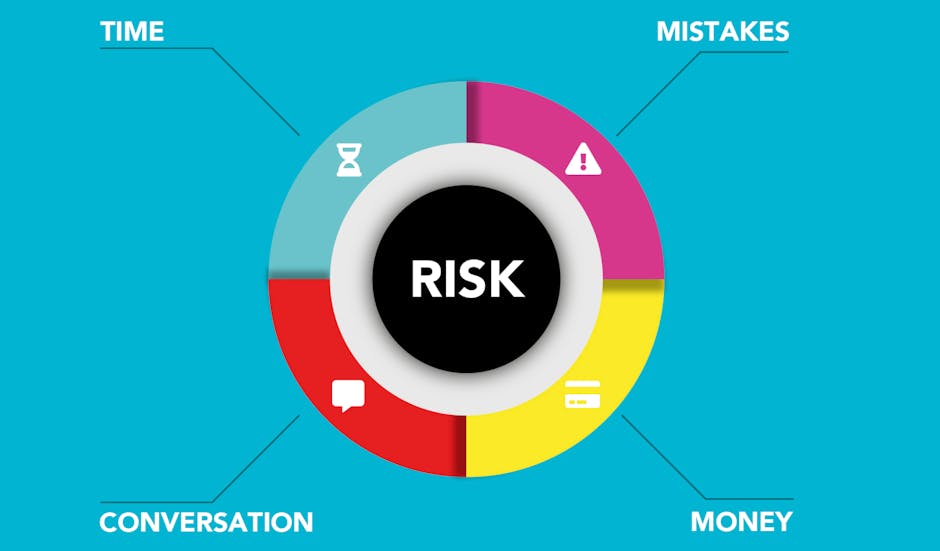
The modern manufacturing floor is a marvel of efficiency—until something goes wrong. In today’s interconnected world, what happens halfway across the globe can shut down your production line tomorrow. That’s not just inconvenient; it’s potentially catastrophic for your business. According to FEMA, approximately 25 percent of businesses never reopen their doors after a natural disaster strikes. Let that sink in for a moment—one unforeseen flood could permanently close your operation.
Your equipment is literally the beating heart of your manufacturing business. When it stops, everything stops. Nearly half of all unplanned downtime stems directly from equipment or machinery failures. That precision press or automated assembly line represents not just a significant investment, but also your ability to fulfill orders and maintain customer relationships.
Fire danger lurks in every manufacturing facility, regardless of what you produce. With over 37,900 fires reported annually at industrial and manufacturing properties, the threat is very real. A single spark can transform a productive day into months of rebuilding and recovery.
Your team’s well-being matters too. The Bureau of Labor Statistics research on workplace injuries shows manufacturing accounts for 15% of all nonfatal workplace injuries and illnesses. Behind that statistic are real people—your employees—whose livelihoods and health depend on a safe working environment.
How manufacturer insurance shields against core risks
Manufacturer insurance creates a protective shield around your business in four critical areas:
Bodily injury protection steps in when someone gets hurt on your property or because of your product. One of our metal fabricator clients in Southern California shared: “When my foreman was injured while operating a forklift, I realized how quickly medical bills pile up.” This coverage ensures those costs don’t come directly from your operating capital.
Property damage coverage protects everything from your building to that specialized equipment you waited six months to receive. “The fire that broke out in our warehouse damaged three critical machines,” a client told us. “Without insurance, we would have been looking at nearly $400,000 in replacement costs.”
Lawsuit defense might be the most underappreciated aspect of manufacturer insurance. Even when a claim has no merit, defending against it requires legal expertise that costs real money. Your policy covers attorney fees, court costs, and potential settlements, allowing you to focus on production instead of depositions.
Contract requirements often mandate specific coverages before you can even bid on lucrative opportunities. Many of our clients find this requirement after missing out on potential business. Having comprehensive coverage in place opens doors to partnerships that might otherwise remain closed.
Real-world loss scenarios every plant should plan for
The manufacturing world is filled with “what if” scenarios that can quickly become “what now” emergencies:
Machinery breakdown scenarios happen with frustrating regularity. A food processing client explained it perfectly: “When that tree limb knocked out power to our facility, every hour of downtime cost us thousands in lost production.” Equipment breakdown coverage not only pays for repairs but also covers resulting income losses.
Product recall situations strike fear into every manufacturer’s heart. An electronics manufacturer client shared their experience: “Finding our product was causing injuries was bad enough. The cost of recalling thousands of units nearly bankrupted us.” Product recall insurance covers notification costs, shipping, disposal, and related expenses that would otherwise come straight from your bottom line.
Cyberattacks increasingly target manufacturers for intellectual property and operational disruption. When ransomware encrypted a client’s production scheduling system, everything ground to a halt. Cyber liability coverage helped them recover both technically and financially from an attack that could have otherwise been devastating.
Business interruption protection proves its worth when the unthinkable happens. After a warehouse fire, one of our clients faced three months of rebuilding. Their manufacturer insurance covered not just the physical damage but also maintained their income stream during recovery—making the difference between temporary setback and permanent closure.
At ISU Armac, we’ve seen how proper manufacturer insurance doesn’t just protect assets—it preserves business continuity when you need it most. The manufacturing landscape is challenging enough without facing these risks unprotected.
Ultimate Manufacturer Insurance Policy Checklist

Building a solid manufacturer insurance program doesn’t have to be overwhelming. Think of it as assembling your own protection toolkit, with each coverage addressing a specific vulnerability your business faces.
Let’s start with the cornerstone: general liability insurance. This coverage handles those “oops” moments when someone gets hurt on your property or claims your business caused them harm. With typical limits of $1 million per occurrence and $2 million aggregate, it’s your first line of defense against lawsuits. Want to learn more? Our General Liability Insurance Coverage page breaks it down in plain English.
Your physical assets need protection too. That’s where commercial property insurance comes in. From your building to the machinery that keeps production humming, this coverage safeguards against fire, theft, and many natural disasters. Pro tip: always opt for replacement cost valuation instead of actual cash value—you’ll thank yourself later when you’re not dealing with depreciation headaches. Check out our Commercial Property Insurance guide for the full scoop.
Manufacturing environments can be hazardous, making workers’ compensation insurance absolutely essential. Not only is it required in most states, but it also provides crucial protection for both you and your team when injuries occur. Medical bills, lost wages—workers’ comp has you covered. Our Workers Compensation Insurance resource explains all the details.
What happens if your product causes injury or damage after it leaves your facility? That’s where product liability insurance becomes your safety net. Even if you did everything right, you could still face costly claims. One of our clients once told me, “That product liability policy was the best money I ever spent when we got hit with that unexpected lawsuit.” Learn more about your exposure on our Product Liability Insurance page.
When machinery breaks down, production grinds to a halt. Equipment breakdown coverage steps in to repair or replace damaged equipment and, crucially, covers the income you lose while that machine is offline. Don’t confuse this with regular property insurance—standard policies typically exclude mechanical and electrical failures.
Speaking of lost income, business interruption insurance is like having a financial backup generator. When covered disasters force you to temporarily close shop, this coverage keeps money flowing in. For many manufacturers, this can mean the difference between weathering the storm and closing doors permanently.
No manufacturer wants to face a product recall, but being prepared is smart business. Product recall insurance handles the often staggering expenses of pulling products from the market—from customer notifications to shipping, disposal, and sometimes even third-party costs.
Your goods don’t stay in one place, and neither should your coverage. Inland marine insurance protects property in transit or at off-site locations, like materials heading to customers or products displayed at trade shows.
Got company vehicles? Commercial auto insurance has them covered. And don’t forget about hired and non-owned auto liability for those times when employees use personal or rented vehicles for business errands.
Finally, for that extra layer of protection against catastrophic claims, umbrella liability insurance extends your coverage limits beyond your primary policies. Think of it as your safety net’s safety net.
Comparing manufacturer insurance to general business policies
Manufacturer insurance isn’t just regular business insurance with a different name. The differences matter—a lot.
For starters, you’ll likely need higher limits than most businesses. While the corner store might be fine with $1 million in liability coverage, as a manufacturer, you’re looking at $5 million or more due to the increased product liability exposure. As one client put it, “When you’re making thousands of parts that go into thousands of products, your risk multiplies quickly.”
You’ll also benefit from specialized endorsements that address manufacturing-specific concerns. Take the manufacturer’s selling price clause, for example. This valuable addition ensures that if your finished inventory gets damaged, you’re compensated for what you would have sold it for—not just what it cost to make.
One client shared this eye-opening experience: “When water damage ruined our warehouse of finished products, the selling price clause meant the difference between breaking even and actually covering what we would have earned. It was a game-changer.” This difference can represent significant sums in a major loss scenario.
Manufacturer insurance vs. professional (E&O) coverage
While your general liability policy handles physical injuries and property damage, it won’t touch purely financial losses caused by product performance issues. That’s where manufacturer’s professional liability (E&O) steps in.
Design errors coverage becomes your shield when product designs don’t work as intended. Imagine your engineering team designs a component that fails to meet specifications, causing your customer to miss production deadlines. E&O insurance would cover those resulting financial damages.
Consequential loss protection addresses the domino effect of problems. A metal parts manufacturer once told me, “We produced components that were off by half a millimeter. They didn’t break anything, but our customer’s assembly line was down for a week. Our E&O policy saved us from a financial disaster.”
The key distinction here is that E&O covers financial damages only. Unlike general liability, which addresses physical harm, E&O steps in when the damage is purely economic. Consider this real scenario: “Our automation components were slightly off-spec. Nothing broke, but our customer lost production time worth thousands. Without E&O coverage, that would have come straight from our bottom line.”
By combining these coverages thoughtfully, you create a comprehensive shield around your manufacturing operation—protecting not just against what might break or who might get hurt, but also against the financial ripple effects that can threaten your business’s stability.
Emerging & Specialized Coverages You Shouldn’t Overlook

The manufacturing world is changing rapidly, and with these changes come new risks that traditional policies might not address. Let’s explore some specialized coverages that could save your business when you need it most.
Cyber liability insurance has transformed from a luxury to a necessity as manufacturing operations become increasingly digital. Did you know manufacturers are now the second-most targeted industry for cyberattacks? One of our clients shared, “We never thought it would happen to us until ransomware locked up our production scheduling system for three days.” Their cyber policy covered not just the ransom but also the business interruption and IT forensics costs.
When it comes to environmental concerns, standard policies often leave you exposed. Environmental liability insurance steps in where others step back. A chemical manufacturer client told us, “When a new bonding glue we used caused an unexpected reaction and leaked chemicals into a storage area, our environmental policy covered the cleanup costs and third-party damages.” Without this coverage, they would have faced tens of thousands in unexpected costs.
There’s a critical gap many manufacturers don’t realize exists until it’s too late: when your product fails to perform but causes no physical damage. Manufacturers E&O insurance addresses this exact scenario. “Our components met all safety specifications but failed to achieve the promised efficiency rates,” explained one client. “The customer lost production time and sued us for the financial damages. Our E&O coverage saved us.”
The rush to adopt advanced technology brings exciting opportunities—and new exposures. A client implementing robotics finded this firsthand: “When our new automated system miscalibrated and produced thousands of components at the wrong specifications, our tech E&O coverage saved us from a substantial financial loss.” Without specialized coverage, the cost of these errors falls entirely on your business.
As your factory floor becomes more connected, IoT risks multiply. Those smart sensors, remote monitors, and networked controls create efficiency but also vulnerabilities. Specialized cyber policies now address these specific manufacturing technology risks, protecting both your data and your operational technology.
Personnel issues can be just as damaging as equipment failures. Employment practices liability protects against wrongful termination, discrimination, and harassment claims. “We had to fire a worker for harassing another employee,” one manufacturer shared. “Despite our zero-tolerance policy and clear documentation, they sued for wrongful termination. Our EPLI coverage handled the defense costs and settlement.”
When customers don’t pay, the impact can be devastating, especially for large orders with significant upfront costs. Supply chain credit insurance provides a safety net against customer non-payment. In today’s uncertain economy, this coverage has become increasingly valuable for manufacturers with large accounts.
Trends reshaping manufacturer insurance today
The manufacturing landscape is evolving rapidly, and insurance solutions are adapting to match. Four key trends are reshaping how we approach risk management:
Automation creates a risk paradox—fewer worker injuries but new exposures related to system failures and programming errors. We’re seeing insurers develop specialized products that address both the benefits and risks of automated systems. The good news? Well-implemented automation can often lead to premium reductions as human error decreases.
The labor shortage affecting manufacturing creates both operational and insurance challenges. “With fewer experienced workers available, we’ve seen an increase in errors and injuries,” noted one client. We helped them implement training programs that not only improved safety but also reduced their premiums. Smart insurers recognize that investment in training can significantly reduce claims.
The move toward a circular economy introduces new considerations for manufacturers. If you’re remanufacturing or refurbishing products, you face unique liability concerns that standard policies may not address. Specialized coverages now exist for businesses engaged in reuse and remanufacturing operations, protecting against the distinct risks of working with previously used components.
ESG requirements (Environmental, Social, Governance) are increasingly affecting manufacturing operations and insurance options. Forward-thinking insurers are now offering premium incentives for businesses with strong ESG programs. “We were surprised to learn our new solar installation and waste reduction program qualified us for a 7% premium reduction,” one client shared. These aren’t just feel-good initiatives—they’re becoming good business.
Optional add-ons that pay off during recalls and outages
When disaster strikes, these specialized coverages can make the difference between recovery and ruin:
Product recall expenses coverage goes far beyond basic recall insurance. “When we had to recall a product due to potential contamination, the expenses went well beyond just retrieving the product,” a food manufacturer told us. Their improved recall coverage paid for crisis management, public relations services, and brand rehabilitation efforts—costs that can easily exceed the direct recall expenses. The coverage helped them not just survive the recall but maintain customer trust.
When your business depends on others, their disasters become your problem. Contingent business income insurance addresses this vulnerability. An auto parts manufacturer shared, “When our main customer’s plant was damaged by a tornado, our orders stopped for two months. Contingent business income coverage replaced our lost revenue during that period.” Without this coverage, they would have still had overhead costs but no income to cover them.
Many manufacturing facilities have been around for decades, which creates unique rebuilding challenges. Ordinance & law coverage pays the increased costs to rebuild according to current building codes after a loss. “After a partial fire, we finded our 1970s-era electrical system had to be completely upgraded to meet current codes,” one client explained. “Without ordinance & law coverage, we would have had to pay those additional costs ourselves—nearly $175,000 in unexpected expenses.”
At ISU Armac, we specialize in identifying these emerging risks before they impact your business. Our Commercial Insurance experts can help you steer these specialized coverages to build a comprehensive manufacturer insurance program that addresses both traditional and emerging risks.
Determining Limits, Avoiding Exclusions, and Customizing Your Program
Getting your manufacturer insurance right isn’t just about buying a policy – it’s about crafting protection that perfectly fits your operation. Think of it as tailoring a suit rather than grabbing something off the rack.
When it comes to protecting your assets, how your policy values your property makes a world of difference. Replacement cost valuation pays to replace your damaged equipment with new items, without subtracting for depreciation. Actual cash value (ACV), on the other hand, factors in depreciation, which can leave you with a serious shortfall.
One of our clients learned this lesson firsthand: “Our 15-year-old CNC machine would cost $350,000 to replace new, but its depreciated value was only $75,000. Thankfully, we had replacement cost coverage that paid the full replacement amount.” That $275,000 difference could have been devastating to their operation!
Watch out for coinsurance clauses – these sneaky policy provisions require you to insure your property to at least 80% of its value. Fall short, and you’ll only receive a proportional payout when you file a claim. We always recommend insuring to 100% of replacement value to avoid these painful penalties when you’re most vulnerable.
Every manufacturer insurance policy comes with exclusions you should understand. Common ones include gradual deterioration, wear and tear, intentional acts, and certain catastrophes like floods and earthquakes. Knowing these gaps helps you decide where supplemental coverage makes sense.
If your operations involve higher risks – like metal casting, chemical processing, or woodworking – you may face more restrictive coverage or steeper premiums. This is where having an agent who specializes in manufacturing really pays off.
Choosing the right deductible strategy means balancing premium savings against what you’ll pay out-of-pocket when something goes wrong. Here’s how the numbers typically break down:
| Deductible | Annual Premium Savings | Breakeven Point (Years) |
|---|---|---|
| $1,000 | Baseline | Baseline |
| $2,500 | $500-750 | 3-5 |
| $5,000 | $1,000-1,500 | 3-5 |
| $10,000 | $2,000-3,000 | 3-5 |
| $25,000 | $5,000-7,500 | 3-5 |
How manufacturer insurance quotes are built
Your premium isn’t pulled from thin air – insurers use several factors to calculate your rates.
Your payroll figures heavily influence workers’ compensation premiums. Higher payrolls typically mean higher premiums, though this varies depending on the type of work your employees perform.
Annual sales drive your general liability and product liability premiums – more revenue usually translates to greater exposure and higher premiums.
Your operation’s hazard class plays a major role too. Electronics assembly typically costs less to insure than metal fabrication because the injury risks differ substantially.
Nothing impacts your premium more than your loss history. A track record of safety speaks volumes to insurers, while frequent claims send rates soaring. As one client shared, “After three years without a claim, our premium dropped by almost 20%.”
Where you’re located matters too. Location factors like natural disaster risks, distance from fire stations, and local building codes all affect your rates. A facility in a flood zone or wildfire-prone area will naturally face higher property premiums.
Working with a specialist agent for right-sized coverage
At ISU Armac, we don’t just sell policies – we help you build a protection strategy that makes sense for your unique operation.
Our risk assessments go beyond checking boxes. We walk your facility, examining processes, safety measures, and potential hazards to create truly customized protection. This hands-on approach often reveals risks you might not have considered – and opportunities to strengthen your safety programs.
We connect you with safety training resources that not only reduce claims but also lower your premiums. Many insurers offer substantial discounts for implemented safety programs, creating that rare win-win: safer workplaces and lower insurance costs.
Our Commercial Insurance specialists understand manufacturing’s unique challenges. As one client told us: “ISU Armac didn’t just sell us a policy—they helped us understand our risks and implement strategies to reduce them, which ultimately lowered our premiums by 15%.”
This partnership approach means you get protection that grows and adapts with your business – not a static policy that leaves you vulnerable as your operation evolves.
Navigating Claims & Leveraging Insurer Services

Even with the best prevention strategies, claims happen. When they do, knowing how to steer the process can make all the difference between a smooth recovery and a frustrating experience.
The claims journey typically begins with promptly reporting the incident to your agent or insurer—the sooner, the better. Take plenty of photos and document everything thoroughly while it’s fresh. One manufacturer client told me, “Those photos I took right after the flood saved us thousands when the adjuster questioned the extent of the damage.”
When safe to do so, take reasonable steps to prevent further damage. This might mean covering broken windows after a storm or shutting down machinery that’s malfunctioning. Your policy actually requires this “mitigation,” but don’t put yourself in harm’s way.
Meeting with the assigned adjuster is your opportunity to tell your story. Be honest, thorough, and prepared with documentation. The next steps involve gathering repair estimates, negotiating the settlement (where your agent can be invaluable), and finally receiving payment to complete repairs and resume operations.
Documentation is your best friend during a claim. Manufacturers who maintain detailed inventory records with serial numbers, purchase dates, and values find the claims process much smoother. Similarly, having documentation of your business processes helps demonstrate exactly how an interruption impacts your operations. As one client shared, “The production logs we kept proved exactly how many units we would have manufactured during our downtime—it increased our business interruption payment by nearly 40%.”
Many insurers offer risk engineering services that can identify potential problems before they cause losses. These experts understand manufacturing operations and can spot hazards you might overlook. The best part? These consultations are often provided at no additional cost as part of your manufacturer insurance program.
For workers’ compensation claims, implementing a return-to-work program can significantly reduce costs while helping employees recover faster. One metal fabrication client told us, “Our injured machinist was able to handle quality control tasks while recovering from his hand injury. He stayed connected to the team, and we avoided weeks of lost productivity and higher comp costs.”
Insurers also offer medical cost containment strategies like bill review and preferred provider networks that can substantially reduce workers’ compensation expenses. These programs ensure injured workers receive appropriate care while controlling costs that ultimately affect your premiums.
Resources like Safety Center Life Events provide valuable guidance on creating safer workplaces, which directly translates to fewer claims and lower premiums over time.
What to expect when a manufacturer insurance claim hits
When you file a claim, understanding the timeline helps manage expectations. For significant claims, expect initial contact from an adjuster within 24-48 hours. They’ll typically schedule an on-site inspection within days, especially for major losses.
The investigation process involves determining coverage, assessing damages, and working toward settlement. For complex manufacturing claims involving specialized equipment or business interruption, resolution might take weeks or months. Your agent should serve as your advocate throughout this process.
Salvage and subrogation are important elements that many manufacturers don’t fully understand. Salvage involves the insurer taking possession of damaged property after paying your claim. This is particularly relevant for damaged inventory or equipment. Subrogation happens when your insurer pursues recovery from a third party responsible for your loss—like a contractor whose faulty wiring caused a fire.
For major claims that take time to resolve, ask about interim payments. One food processing client shared, “After a refrigeration system failure destroyed our inventory, our insurer provided advance payments that covered our immediate expenses. Without that cash flow, we might not have survived the three months it took to fully settle the claim.”
Free and low-cost services that lower your premiums
Smart manufacturers take advantage of insurer-provided services that both improve safety and reduce costs:
Loss control visits from insurance specialists can identify potential hazards before they cause losses. These experts understand manufacturing risks and can provide practical recommendations that are often simple to implement. One client noted, “The loss control engineer spotted a fire hazard in our dust collection system that we’d completely overlooked. That one recommendation potentially saved our entire facility.”
Supply chain audits help identify vulnerabilities in your vendor and distribution networks. By addressing these weaknesses proactively, you can prevent disruptions that lead to claims. This has become increasingly important as supply chains grow more complex and global.
Emergency preparedness drills ensure your team knows exactly how to respond when disaster strikes. A chemical manufacturer told us, “The emergency response plan our insurer helped us develop was put to the test during a chemical spill. Because everyone knew exactly what to do, we contained the spill quickly, preventing a much larger loss and potential environmental claim.”
At ISU Armac, we don’t just help you file claims—we work with you to prevent them in the first place. And when claims do happen, we’re by your side every step of the way, ensuring you receive the full benefits of your manufacturer insurance coverage. After all, insurance isn’t just about policies; it’s about partnerships that protect what you’ve worked so hard to build.
Frequently Asked Questions about Manufacturer Insurance
What types of manufacturing businesses need coverage?
When it comes to manufacturer insurance, the short answer is—virtually all of them need it. From the smallest artisan workshop to the largest industrial plant, manufacturing operations face unique risks that require specialized coverage.
Food and beverage producers worry about contamination issues that could lead to illness and costly recalls. Metal fabricators face higher workers’ compensation exposures due to the inherent injury risks of working with heavy machinery and hot metals. Electronics manufacturers need protection against sensitive component damage and intellectual property risks.
“We thought our small textile operation wouldn’t need comprehensive coverage until a minor fire damaged our inventory,” shared one of our clients. “Having the right manufacturer insurance in place meant we could replace everything without dipping into our operating capital.”
Other manufacturing operations that benefit from specialized coverage include wood product manufacturers, plastic and rubber producers, chemical manufacturers, automotive parts suppliers, furniture makers, paper product manufacturers, and medical device manufacturers. Each industry brings its own unique risk profile that requires thoughtful insurance planning.
How can insurance help manage supply chain disruptions?
Supply chain vulnerabilities have moved to the forefront of manufacturing concerns in recent years. The good news? Insurance can provide meaningful financial protection against these disruptions.
Contingent business interruption coverage is a lifesaver when your key supplier experiences a disaster that impacts your operations. As one client told us after pandemic-related disruptions: “When our Chinese supplier shut down during COVID-19, our contingent business interruption coverage helped us weather the financial impact while we found alternative sources.”
Trade credit insurance protects against customer non-payment—a risk that increases dramatically during economic downturns. When customers can’t pay, this coverage ensures you don’t bear the full financial burden.
For more comprehensive protection, dedicated supply chain insurance specifically covers losses from interruptions including transportation delays, port closures, and supplier bankruptcies. This specialized coverage goes beyond what standard policies offer to address the complex, interconnected nature of modern manufacturing supply chains.
What are the most common policy exclusions?
Understanding what your manufacturer insurance doesn’t cover is just as important as knowing what it does. These common exclusions often surprise manufacturers who haven’t worked with a knowledgeable insurance partner:
Expected or intended damage is never covered—insurance is designed for unexpected events, not intentional acts or foreseeable problems. Similarly, normal wear and tear falls outside policy coverage, as insurance is meant for sudden and accidental damage, not gradual deterioration.
Environmental concerns can create significant gaps in standard coverage. Pollution is typically excluded unless you purchase specific environmental liability protection. Likewise, natural disasters like floods and earthquakes require separate, specialized policies beyond standard property coverage.
Professional services exclusions often catch manufacturers by surprise. One client shared their costly lesson: “We assumed our general liability policy would cover a data breach that exposed customer information. We were shocked to find this was excluded and had to pay the notification and credit monitoring costs ourselves.”
Other common exclusions include professional services like design and engineering work (requiring E&O coverage instead) and increasingly, cyber incidents, which need dedicated cyber liability insurance in today’s connected manufacturing environment.
Working with an insurance partner who understands manufacturing operations—like our team at ISU Armac—helps ensure these exclusions don’t leave dangerous gaps in your protection. We’ll help identify these potential issues before they become expensive problems.
Conclusion
Navigating the complex world of manufacturing risks requires more than just basic insurance—it demands a strategic approach that protects everything you’ve built. A well-designed manufacturer insurance program delivers something truly invaluable: the confidence to innovate and grow without constantly worrying about what might go wrong.
Think of comprehensive coverage as your business’s safety net. When that unexpected equipment failure happens or when a product recall threatens your bottom line, proper protection means you’ll recover and move forward rather than facing devastating financial consequences.
Protecting your manufacturing operation effectively isn’t a one-time task. Consider making these five actions part of your risk management routine:
Work with an agent who truly understands manufacturing—not just insurance. At ISU Armac, we speak your language and understand the unique challenges your operation faces daily.
Schedule regular risk assessments as your business evolves. New equipment, processes, or products often create new exposures that need addressing before they become problems.
Implement robust safety programs that do double duty—keeping your team safe while simultaneously reducing your premium costs. Many of our manufacturing clients have seen significant savings just by formalizing their safety procedures.
Review your coverage annually, especially after any operational changes. That new production line or expanded facility may require adjustments to keep you fully protected.
Stay ahead of emerging risks like cyber threats and supply chain vulnerabilities by considering specialized coverages designed specifically for today’s manufacturing environment.
The manufacturing landscape continues to evolve with new technologies, changing regulations, and shifting market demands. Your insurance program should evolve with it. At ISU Armac, we’ve spent decades helping Southern California manufacturers steer these challenges with customized insurance solutions that provide comprehensive protection without unnecessary costs.
Don’t wait for a devastating loss to find gaps in your coverage. The time to review your protection is now, while you have the luxury of making careful, strategic decisions rather than reacting to a crisis.
Our team is ready to provide a no-obligation review of your current insurance program and develop a customized solution that addresses your specific manufacturing risks. With the right partner and the right coverage, you can focus on what matters most—running your business and serving your customers.
Manufacturer Insurance — get your custom quote today!