
Why Personal Car Insurance Plans Matter for Every Driver
A personal car insurance plan is a contract with an insurer that provides financial protection and peace of mind on the road in exchange for premium payments. It’s also a legal requirement in most states.
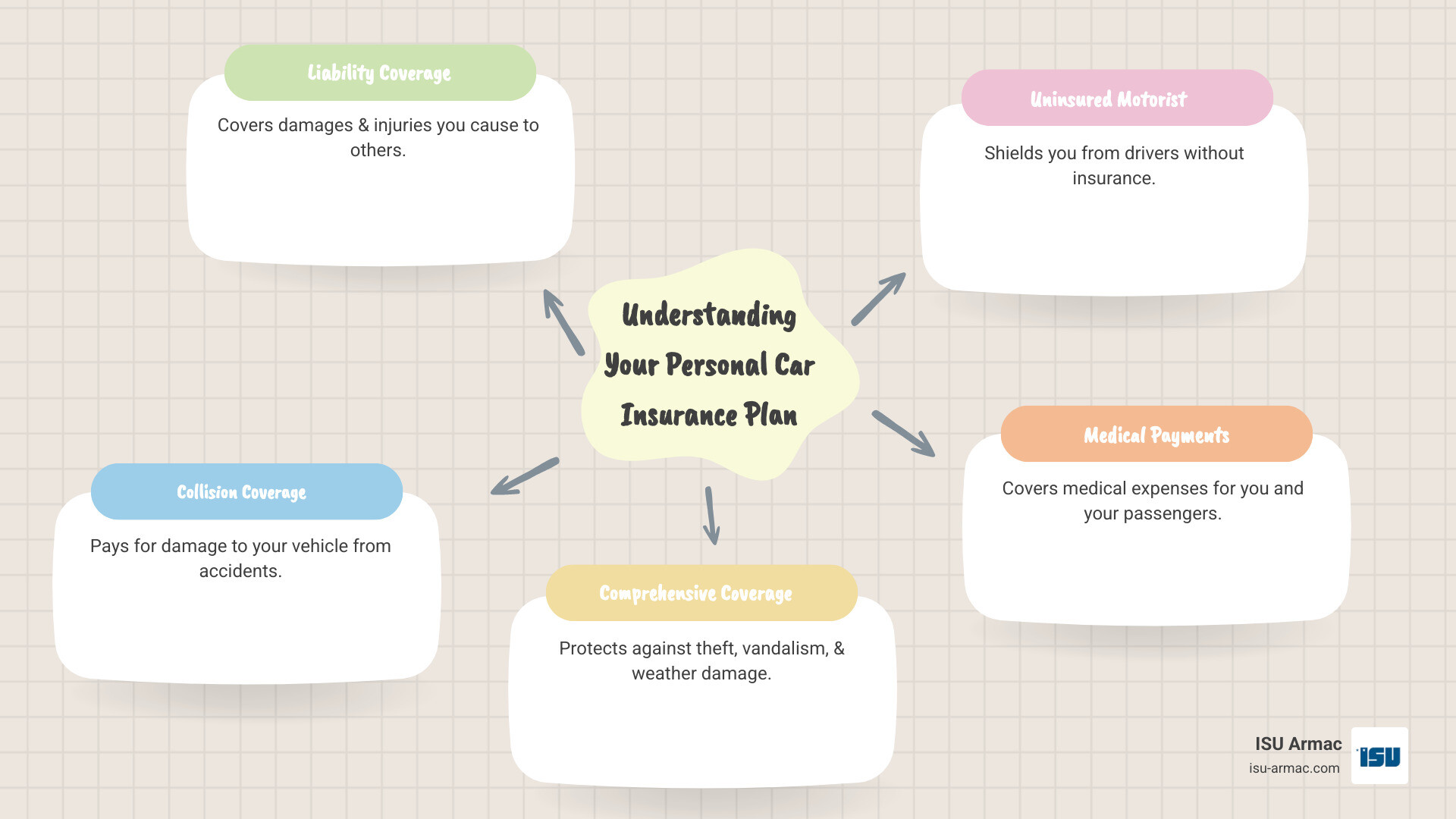
Here’s what personal car insurance plans typically include:
- Liability Coverage – Covers damages and injuries you cause to others
- Collision Coverage – Pays for damage to your vehicle from accidents
- Comprehensive Coverage – Protects against theft, vandalism, and weather damage
- Uninsured Motorist Coverage – Shields you from drivers without insurance
- Medical Payments – Covers medical expenses for you and your passengers
Research shows drivers can save an average of $661 to $920 by switching providers. Finding the right balance between cost and coverage is key.
Beyond legal requirements, car insurance is crucial financial protection against expensive repairs, medical bills, and lawsuits. With one in six accidents reportedly occurring in areas like ours, adequate coverage is essential for protecting your financial future.
I’m Ryan McEachron, CEO of ISU Insurance Services ARMAC Agency in Victorville. With over two decades of experience, including service on the Victorville City Council, I have deep insight into the insurance challenges High Desert residents face. My team helps local drivers find personal car insurance plans that fit their unique needs.
Glossary for personal car insurance plans:
- does auto insurance follow the car or the person
- cheap car insurance
- personal auto insurance for uber drivers
Decoding Your Coverage: The Core Components of Car Insurance
Understanding the components of personal car insurance plans ensures you know what you’re buying. Let’s break down the essential building blocks of your policy.
Liability Coverage (Bodily Injury & Property Damage)
Liability coverage is your financial shield when you’re at fault in an accident and is legally required in California. It protects your personal assets from devastating financial consequences.
Bodily injury liability covers medical bills, lost wages, and pain and suffering for those you injure. Property damage liability pays for repairs to another person’s car or property. While states set minimums, they often fall short. It’s wise to carry enough liability coverage to protect your assets and future earnings.
Collision Coverage

IPTC Metadata: Title=”Collision Damage Inspection”, Description=”A car with minor collision damage being inspected for insurance purposes.”, CopyrightNotice=”ISU Armac”, Creator=”ISU Armac”, DateCreated=”2024-06-01″
While liability covers others, collision coverage protects your own vehicle. It pays for repairs if you hit another car, an object, or roll your vehicle. You’ll choose a deductible, which is the amount you pay out-of-pocket before insurance pays the rest. Lenders typically require collision coverage for financed or leased cars.
Comprehensive Coverage
Comprehensive coverage protects your vehicle from non-collision events like theft, vandalism, hail damage, flooding, fire, or hitting an animal. Like collision, it includes a deductible you choose. This coverage is valuable for newer cars or if you live in an area prone to severe weather or theft. Notably, hitting an animal falls under comprehensive, not collision—an important fact for High Desert drivers.
Uninsured/Underinsured Motorist (UM/UIM) Coverage
Not everyone on the road has insurance. Uninsured/underinsured motorist (UM/UIM) coverage is your safety net. Uninsured motorist coverage protects you if you’re hit by a driver with no insurance, covering your medical bills and sometimes vehicle damage, which is crucial in hit-and-run accidents. Underinsured motorist coverage applies when the at-fault driver’s insurance isn’t enough to cover your expenses. With roughly one in eight drivers uninsured, UM/UIM is essential protection.
Medical Payments (MedPay) & Personal Injury Protection (PIP)
These coverages handle medical care for you and your passengers after an accident, regardless of who is at fault. They pay out immediately, without waiting for a fault determination. Medical Payments (MedPay) covers medical and funeral expenses. Personal Injury Protection (PIP) is broader, also covering lost wages and rehabilitation costs. In California, MedPay is a common add-on for accident-related injuries.
Optional & Add-On Coverages
Personal car insurance plans can be customized with add-ons. Rental reimbursement provides a car while yours is repaired, and roadside assistance helps with towing, jump-starts, and flat tires. For financed or leased vehicles, gap coverage pays the difference between what you owe and the car’s value if it’s totaled. New car replacement provides a brand-new vehicle instead of its depreciated value. These options let you tailor a policy to your needs.
Tailoring Your Policy: How to Choose the Right Personal Car Insurance Plans
Choosing the right personal car insurance plan means balancing cost with adequate protection. It’s not about finding the cheapest option, but the one that best fits your individual needs and circumstances.
Assessing Your Needs and State Requirements
Start by assessing your baseline needs and risks.
- State-mandated minimums: In California, every driver must meet specific liability requirements. However, these minimums, which you can review on the California Department of Insurance website, often provide only basic financial protection. View them as a starting point, not the final goal.
- Vehicle’s value: For an older car with low value, comprehensive and collision coverage may not be cost-effective. For a newer, more valuable car, they are essential.
- Financed or leased vehicles: Lenders almost always require you to carry both collision and comprehensive coverage to protect their investment.
- Personal assets: If you own a home or have significant savings, higher liability limits are crucial to protect your assets from lawsuits after a major at-fault accident.
- Driving habits: Daily commuters in busy areas face different risks than weekend drivers on rural roads. Your habits influence your coverage needs.
Understanding Deductibles and Coverage Limits
Two key terms impact your premium and out-of-pocket costs: deductibles and coverage limits.
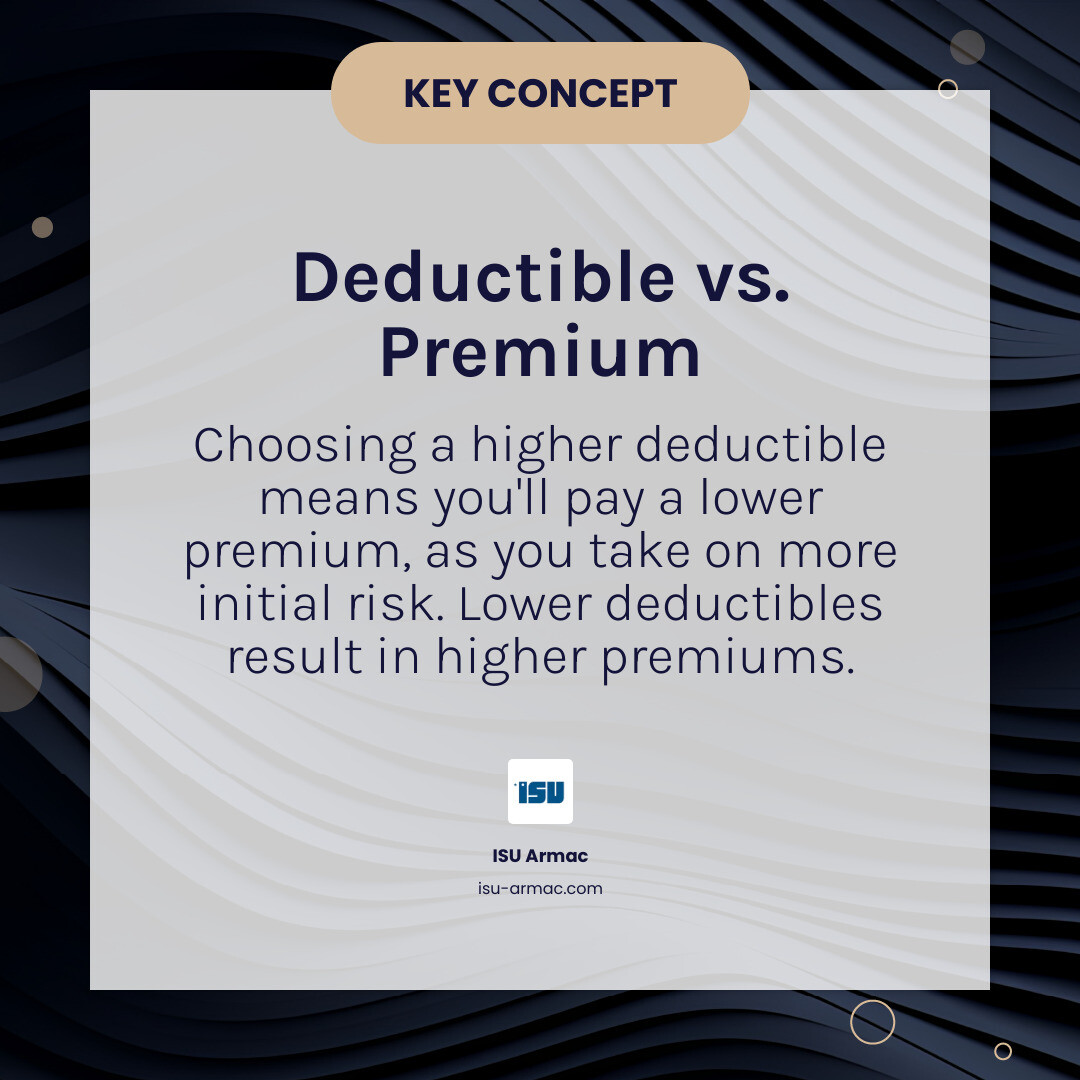
A deductible is what you pay before your insurance kicks in for a collision or comprehensive claim. A higher deductible typically means a lower premium, as you assume more initial risk. Choose a deductible you can comfortably afford to pay.
Coverage limits are the maximum amount your insurer will pay for a covered loss. For liability, you’ll see limits per person and per accident (e.g., $100,000/$300,000). Choosing limits that adequately protect your assets is more important than simply meeting state minimums.
How to Compare Different Personal Car Insurance Plans
When shopping for personal car insurance plans, a methodical approach is key. To make a true apples-to-apples comparison, ensure each quote has matching coverage types, limits, and deductibles. A cheaper policy might simply offer less protection.
Beyond the numbers, evaluate the insurer’s reputation for customer service and claims handling. A low premium isn’t a good deal if the company is difficult to work with when you need them most. As an independent agency, we simplify this process by gathering and comparing quotes from multiple carriers for you, finding the best combination of coverage, service, and price.
The Price Tag: Factors That Influence Your Car Insurance Costs
Understanding what drives the cost of personal car insurance plans empowers you to find potential savings. Insurers use a variety of factors to calculate your premium, and knowing them helps explain your rate.

IPTC Metadata: Title=”Car Insurance Cost Factors”, Description=”Icons representing factors that influence car insurance costs, such as driving record, location, vehicle, and more.”, CopyrightNotice=”ISU Armac”, Creator=”ISU Armac”, DateCreated=”2024-06-01″
- Driving record: Your driving history is a primary factor. A clean record with no accidents or violations usually means lower rates. Tickets or at-fault accidents can increase costs for several years.
- Location and ZIP code: Where you live matters. Areas with higher rates of theft, vandalism, or accidents typically have higher premiums. Rates can vary even between nearby High Desert neighborhoods.
- Vehicle make and model: The car you drive affects your premium. Insurers consider its value, repair costs, safety features, and theft likelihood. A family sedan generally costs less to insure than a sports car.
- Age and gender: These influence rates, especially for new drivers. Statistically, drivers under 25 face higher rates, but these decrease with age and a good driving history.
- Annual mileage: Your annual mileage reflects your time on the road. More driving means a higher chance of an accident, so lower mileage can lead to lower rates.
- Credit-based insurance score: In many states, your credit history can affect your premium, as it correlates with claim frequency. California has specific regulations on its use.
- Coverage selections: Your chosen coverages, limits, and deductibles are in your control. Higher limits and lower deductibles offer more protection but increase your premium. It’s about finding the right balance.
Smart Savings: How to Lower Your Premiums Without Sacrificing Protection
Significant savings are often available on personal car insurance plans if you know where to look, and you don’t have to sacrifice protection to find them.
The Power of Bundling
One of the easiest ways to save is by bundling your policies. A multi-policy discount for combining auto and home insurance can save customers an average of $983 annually. You can also get discounts for bundling auto with condo or renters policies. Besides savings, bundling offers the convenience of simplified billing and managing your policies with one provider. More info about home insurance options can show you what’s available.
Common Discounts You Might Qualify For
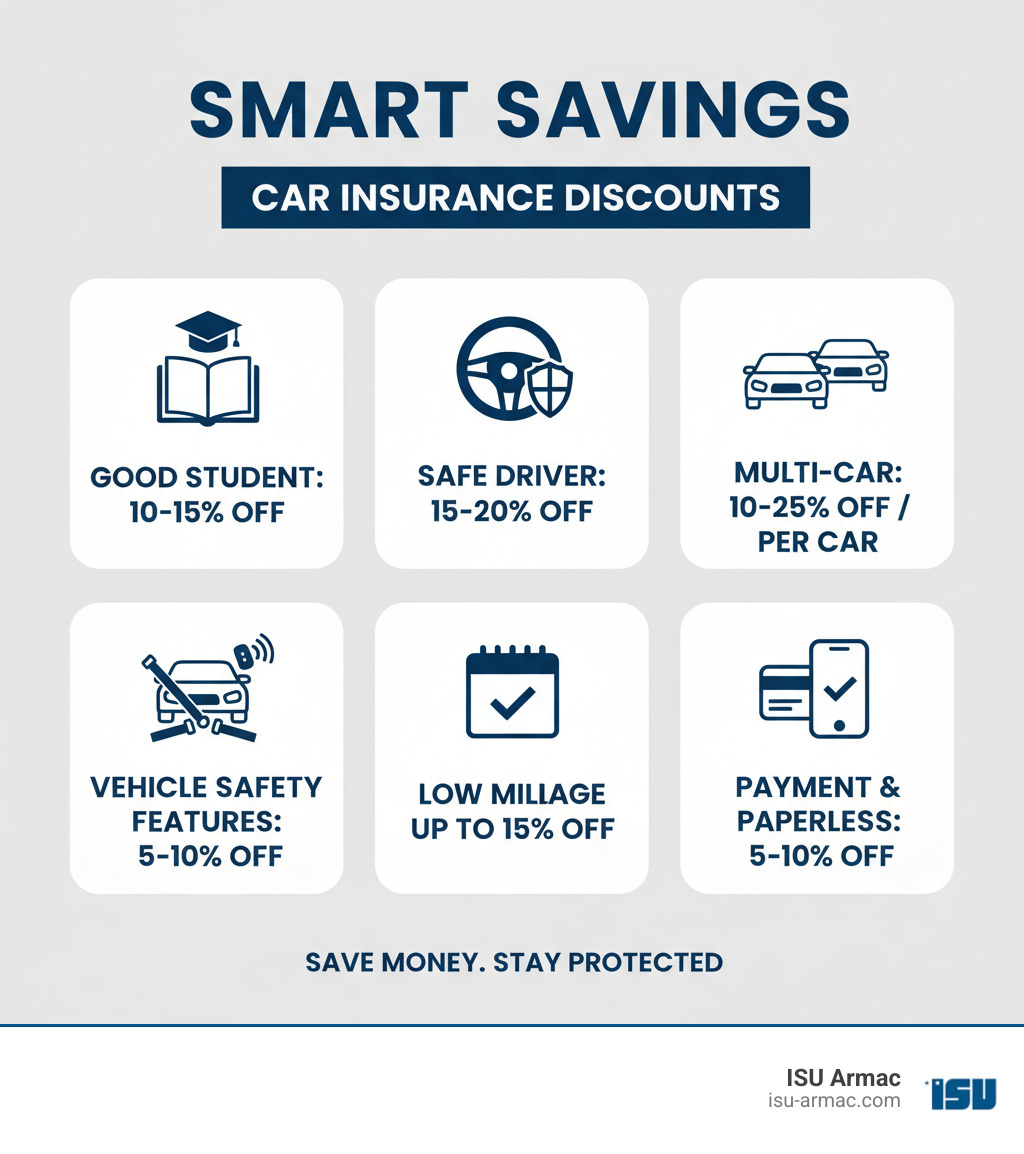
You may qualify for several discounts. Ask your agent about:
- Good Student Discount: For high school or college students with good grades.
- Safe Driver Discount: For maintaining a clean driving record for several years.
- Defensive Driving Course: Completing an approved course can lower your premium.
- Multi-Car Discount: For insuring more than one vehicle on the same policy.
- Vehicle Safety Features: For cars with anti-lock brakes, airbags, and anti-theft systems.
- Low Mileage Discount: For those who drive less than the average person.
- Other Discounts: Ask about savings for electronic payments, paperless billing, or being a new customer. These small discounts add up.
Modern Ways to Save: Telematics
Technology offers new ways to save with telematics, or pay-how-you-drive programs. These use a device or app to monitor your actual driving behavior, such as speed, braking habits, and mileage. This usage-based insurance allows insurers to base your rate on your individual risk profile. If you demonstrate safe driving habits, you can be rewarded with lower rates. For careful drivers, telematics can open up savings not available through traditional personal car insurance plans.
Navigating the Process: From Getting a Quote to Filing a Claim
Knowing the steps for getting a quote and filing a claim makes the process much smoother.
Information Needed to Get an Accurate Quote
Getting an accurate quote for personal car insurance plans is straightforward when you have the right information ready.
- Driver Information: Full name, date of birth, and driver’s license number for all drivers. Be prepared to share your driving history for the last 3-5 years.
- Vehicle Information: The Vehicle Identification Number (VIN), make, model, year, and estimated annual mileage for each car.
- Desired Coverage: Have an idea of the coverage, limits, and deductibles you want. If you’re unsure, an agent can help guide you.
Having this information ready allows us to quickly compare rates from various carriers for you.
How to File a Claim After an Accident
Knowing the steps to file a claim can make a stressful situation more manageable.
- Prioritize Safety: Call 911 if anyone is injured or there’s significant damage.
- Document the Scene: Use your phone to take photos of the vehicles, damage, location, and road conditions. Note the time, date, and how the accident occurred.
- Exchange Information: Get the other driver’s name, address, phone number, insurance company, policy number, and driver’s license number. Stick to the facts and avoid admitting fault.
- Get a Police Report: For accidents with injuries or significant damage, a police report provides valuable official documentation.
- Contact Your Insurer Immediately: Report the claim as soon as it’s safe. Most insurers have 24/7 claims service. As our client, you can also call us directly for guidance.
After you report it, an adjuster will be assigned to investigate the claim, assess damages, and guide you through the repair and payment process. The goal is to get you back on the road as quickly as possible.
Conclusion
Choosing the right personal car insurance plans is a critical decision. We’ve covered the essential components, from legally required liability protection to collision and comprehensive coverage for your vehicle. We’ve also seen how add-ons like uninsured motorist coverage provide extra security.
Drivers can often save $661 to $920 annually by making informed choices. Strategies like bundling policies and qualifying for discounts for safe driving or vehicle safety features can lead to significant savings.
Your insurance should reflect your life. Here in the High Desert, from Hesperia to Apple Valley, your driving needs are unique. That’s why regular policy reviews are so important—life changes, and your coverage should too.
At ISU Insurance Services ARMAC Agency, we simplify insurance. We shop multiple carriers to find you the best coverage without the hassle. We do the legwork so you can have peace of mind.
Ready to find a plan that fits your life?