
Why Finding the Best Vacant Home Insurance is Critical for Property Owners
Understanding Vacant vs. Unoccupied Home Insurance
Here’s something that catches many property owners off guard: your standard homeowners policy likely has a vacancy clause buried in the fine print. This clause can completely void your coverage after just 30 consecutive days of vacancy – not reduce it, eliminate it entirely.
I’ve seen too many clients find this the hard way. They file a claim thinking they’re covered, only to learn their policy became worthless weeks ago. The increased risk of vacant properties means insurers take a hard line on this issue, and policy voidance is their go-to response.
What makes this particularly frustrating is that many property owners don’t realize they need to notify their insurer immediately when their home becomes vacant. Non-disclosure consequences can be severe – insurers may deny claims, cancel your policy retroactively, or even refuse to work with you in the future. That’s why finding the best vacant home insurance before you need it is so important.
Why Vacant Homes Are a Higher Risk
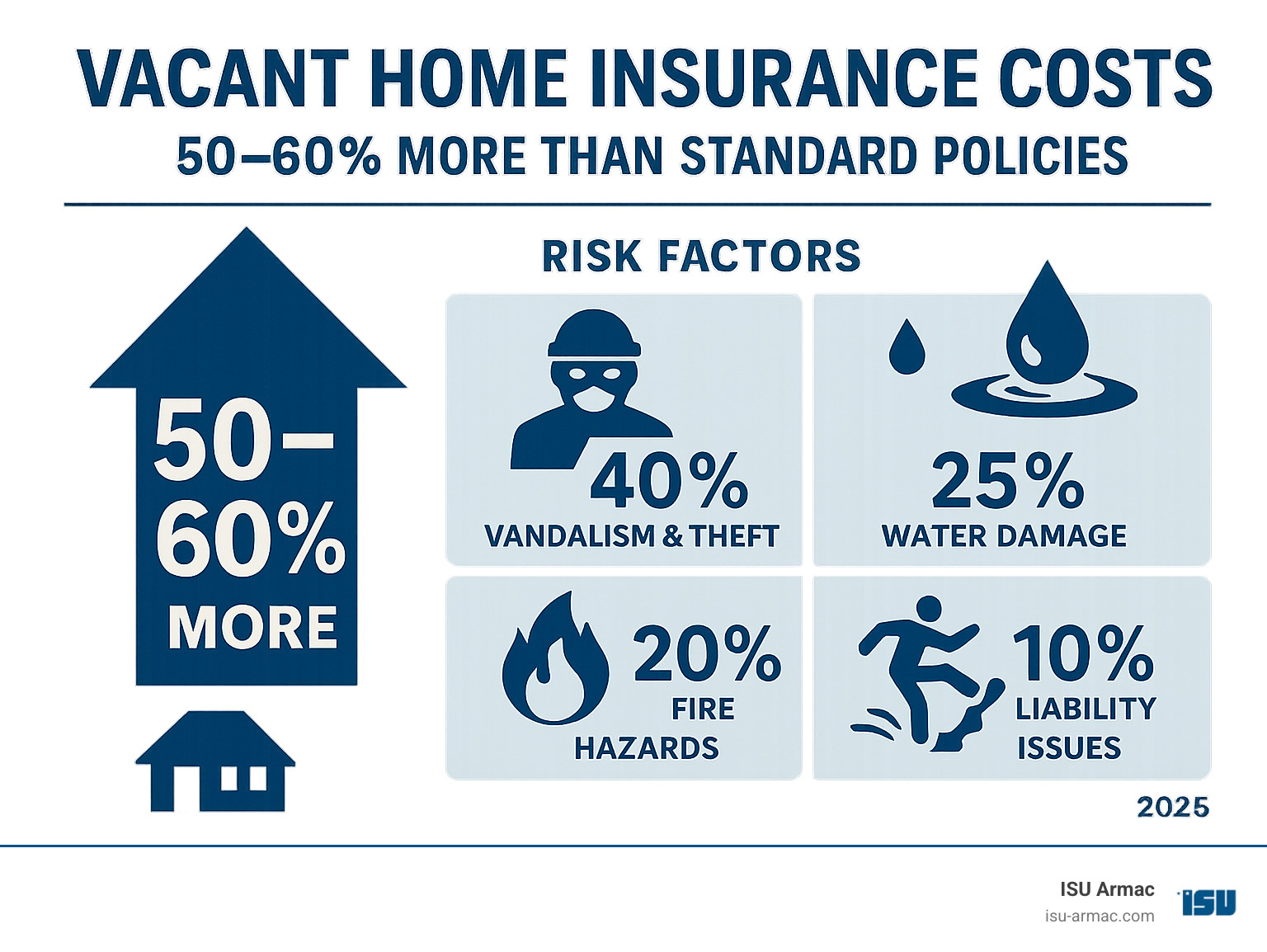
Empty homes are basically sitting ducks for problems. Without someone around to notice issues, a dripping faucet can turn into a $20,000 flood damage claim. I’ve walked through properties where water leaks went undetected for months, destroying floors, walls, and everything in between.
Theft and vandalism are obvious concerns, but the reality is often worse than people expect. Thieves don’t just grab electronics – they’ll strip copper pipes, steal appliances, and sometimes even take fixtures right out of the walls. Squatters present another headache entirely, potentially causing damage and creating legal complications that can drag on for months.
Fire hazards multiply when no one’s around to spot smoke or call for help. Electrical issues, faulty heating systems, or even arson can completely destroy a vacant property before anyone notices. The liability issues are equally concerning – if someone gets hurt on your empty property, you’re still responsible.
These risks explain why vacant home insurance costs 50-60% more than standard policies. It’s not insurance companies being greedy – it’s simple math based on claim frequency and severity.
The Critical Difference: Vacant vs. Unoccupied
The distinction between vacant and unoccupied isn’t just insurance jargon – it determines your entire coverage approach. A vacant home is completely empty with no personal property and no intent to return anytime soon. Think of a house that’s been cleared out for sale or a property you’ve inherited but haven’t decided what to do with.
An unoccupied home still has your stuff in it. Personal property remains, utilities stay on, and there’s clear intent to return. Maybe you’re traveling for three months or temporarily relocated for work. The house looks lived-in, just without people currently there.
Most insurers apply the 30-60 day rule as their cutoff point. After this period, your standard homeowners policy either excludes coverage or requires you to purchase additional protection. Some insurers are even stricter, considering a home vacant if less than 35% of the interior contains furniture and belongings.
Understanding this difference can save you thousands in denied claims. For more details about what standard policies exclude, check our guide on what isn’t covered by home insurance. If you’re already facing policy issues, our resource on what to do if your home insurance drops you can help you steer your options.
The bottom line? Don’t wait until after your home becomes vacant to figure out your insurance needs. Being proactive about coverage protects both your property and your peace of mind.
What the Best Vacant Home Insurance Policies Cover

When you’re shopping for the best vacant home insurance, you’ll quickly find that these policies work differently than your standard homeowners coverage. Think of vacant home insurance as more of a “safety net” than a comprehensive blanket of protection.
Unlike regular homeowners policies that cover almost everything unless specifically excluded, vacant home insurance operates on a “named perils” basis. This means your policy only covers the specific risks that are clearly listed in your contract. It’s like having a menu instead of an all-you-can-eat buffet – you get exactly what’s on the list, nothing more.
Most vacant home policies are structured as Dwelling Property (DP-1) policies rather than the comprehensive homeowners (HO-3) policies you might be familiar with. While this sounds limiting, it’s actually designed this way to focus on the real risks that vacant properties face while keeping costs manageable.
You’ll also encounter two important terms when reviewing coverage: Actual Cash Value (ACV) and Replacement Cost Value (RCV). ACV pays you what your damaged property was worth at the time of loss, factoring in depreciation. RCV pays to replace or repair with new materials. Most vacant home policies default to ACV, though some insurers offer RCV as an upgrade.
Liability coverage remains important even for vacant properties. If someone gets hurt on your property – whether it’s a trespasser who falls through a rotted deck or a contractor injured during an inspection – you’ll want protection from potential lawsuits.
Common Covered Perils
The foundation of any best vacant home insurance policy starts with fire and lightning protection. This is often the only coverage that remains guaranteed even after extended vacancy periods. Whether it’s an electrical fire, arson, or a lightning strike during a storm, this coverage protects your biggest investment.
Windstorm and hail coverage becomes particularly crucial in areas like Southern California, where Santa Ana winds can turn a peaceful day into a property owner’s nightmare. This protection covers everything from blown-off roof shingles to windows shattered by flying debris.
Explosion coverage might seem unlikely, but vacant properties can face unique risks. Old gas lines, faulty water heaters, or propane tanks left behind can create dangerous situations. This coverage protects against damage from gas explosions, boiler bursts, and similar catastrophic events.
Smoke damage protection extends beyond just fires on your property. If a neighboring building catches fire and smoke damage affects your vacant home, this coverage helps with cleanup and repairs.
Aircraft and vehicle damage coverage protects against those “once in a lifetime” events – like when a car loses control and crashes into your property or aircraft debris causes damage.
Theft coverage is often available as an optional add-on, though it typically comes with strings attached. Most insurers require active central station monitoring and specific security measures before they’ll offer this protection.
Vandalism and Malicious Mischief (VMM) coverage is another crucial optional protection. Given that vacant properties are prime targets for vandals, this coverage protects against intentional damage, graffiti, and destruction. However, many insurers require the property to be checked regularly to maintain this coverage.
For detailed information about protecting your vacant property, visit our comprehensive guide on Vacant House Insurance.
Typical Exclusions and Limitations
Even the best vacant home insurance policies have important gaps that can catch property owners off guard. Understanding these limitations upfront helps you make informed decisions about additional coverage or risk management strategies.
Water damage from freezing pipes is typically excluded unless you maintain heat at a minimum temperature, usually between 55-60 degrees Fahrenheit. This means you can’t just turn off the utilities and walk away – you’ll need to keep the heat on throughout winter months.
Flood damage requires separate coverage through the National Flood Insurance Program or private flood insurers. Your vacant home policy won’t help if a storm surge or river overflow damages your property.
Earthquake protection isn’t included in standard vacant home policies. If you’re in a seismically active area, you’ll need to purchase a separate earthquake endorsement.
Wear and tear exclusions mean that normal deterioration, deferred maintenance, and gradual damage won’t be covered. If your roof slowly develops leaks over months of neglect, don’t expect your insurer to pay for repairs.
Intentional acts by the property owner or anyone acting with their knowledge are excluded. This prevents insurance fraud while protecting legitimate claims.
Neglect exclusions can be particularly challenging for vacant property owners. If you fail to maintain the property or take reasonable steps to prevent damage, your insurer may deny claims even for covered perils.
The key to successful vacant home insurance is understanding that it’s designed to protect against sudden, unexpected events – not the gradual problems that can develop when properties sit empty for extended periods. For broader liability protection strategies, explore our General Liability Insurance options.
How to Find the Best Vacant Home Insurance and Lower Your Costs

Finding the best vacant home insurance isn’t just about hunting for the lowest price – it’s about creating a protection strategy that actually works when you need it most. After helping countless property owners in Southern California secure coverage over the years, I’ve learned that the smartest approach combines smart shopping with proactive risk reduction.
The truth is, vacant home insurance rates vary dramatically between carriers, sometimes by hundreds of dollars for identical coverage. What makes one property owner pay $2,000 annually while another pays $800 often comes down to knowing where to look and how to present your property as a lower risk.
Steps to Secure Your Property and Reduce Premiums
The fastest way to lower your vacant home insurance costs is to make your property less risky in the eyes of insurers. Think of it this way: every security measure you install is like having a conversation with your insurance company about why your property deserves better rates.
Installing security alarms and cameras sends a clear message that you’re serious about protection. Modern systems with central monitoring can reduce premiums by 5-20%, and smart cameras that you can monitor remotely give you peace of mind too. We’ve seen clients catch maintenance issues early simply because they noticed something unusual on their security feeds.
Using deadbolt locks on all entry points is insurance 101, but don’t stop there. Window locks, security film, and reinforced door frames show insurers you’ve thought through every vulnerability. One client avoided a break-in attempt simply because their reinforced door frame made entry too difficult for would-be thieves.
Maintaining landscaping might seem like a small detail, but it’s huge for insurers. Nothing screams “vacant target” like overgrown grass and piled-up newspapers. Professional landscaping services often cost less than the premium savings they generate, and they keep your property looking occupied.
Keeping utilities running isn’t optional – it’s usually required. Most policies demand you maintain heat at 55-60 degrees to prevent frozen pipes. The utility costs are minimal compared to the tens of thousands in water damage that can result from burst pipes.
Arranging for regular property checks protects you in two ways. First, most policies require inspections every 4-7 days. Second, early detection of problems can prevent small issues from becoming major claims. Document every visit with photos and detailed notes.
Removing valuables from the property reduces your risk exposure and can lower the personal property coverage limits you need. Store jewelry, electronics, and other high-value items elsewhere until the property is occupied again.
For more perspective on vacant building coverage challenges, this Forbes article on insurance coverage on vacant buildings offers additional insights.
Finding the Best Vacant Home Insurance for Your Needs
Shopping for vacant home insurance requires a different approach than buying regular homeowners coverage. The market is smaller, the underwriting is stricter, and the differences between carriers are more pronounced.
Shopping around is absolutely essential because vacant home insurance isn’t a commodity. One carrier might decline your property entirely while another offers competitive rates. We regularly see 40-50% price differences between carriers for identical coverage.
Comparing quotes means looking beyond the premium. Check the coverage limits, deductibles, and exclusions carefully. A cheaper policy that excludes vandalism coverage might cost you more in the long run if your property is targeted.
Working with an independent agent gives you access to multiple carriers through a single relationship. At ISU Armac, our independent status means we can shop your coverage with specialized vacant property insurers that don’t sell directly to consumers. This often results in better coverage at lower rates.
Asking about endorsements vs. standalone policies can save you money if you’re an existing customer with good claims history. Endorsements to existing policies are often less expensive but may provide limited coverage. Standalone policies typically offer more comprehensive protection but cost more upfront.
Reviewing coverage limits carefully ensures you’re not over-insured or under-protected. In California’s construction market, replacement costs can differ significantly from property values. Make sure your dwelling coverage reflects actual rebuilding costs, not market value.
For specific guidance on finding affordable coverage options, our Cheapest Vacant Home Insurance resource provides detailed strategies for reducing costs without sacrificing essential protection.
Frequently Asked Questions about Vacant Home Insurance
What happens if I don’t tell my insurer my home is vacant?
This question keeps me up at night as an insurance professional, because I’ve seen the devastating consequences firsthand. Failing to inform your insurer about a property’s vacant status is one of the costliest mistakes property owners make – and it happens more often than you’d think.
When you don’t disclose vacancy, you’re essentially giving your insurance company a legal reason to deny every claim you file. It’s considered misrepresentation or concealment, which are serious violations of your insurance contract. The consequences go far beyond just a denied claim.
If you file a claim on a property that’s been vacant beyond your policy’s vacancy clause – typically that critical 30-60 day window – your insurer can deny the claim entirely. But here’s where it gets really scary: they can also void your policy retroactively. This means you’d be responsible for paying back any claims they’ve previously paid on your behalf.
In the most extreme cases, insurers have been known to cancel all your policies with that company. Imagine losing your auto insurance and primary residence coverage because you didn’t mention your rental property was vacant.
I’ve personally worked with clients who faced hundreds of thousands in out-of-pocket expenses because they assumed their regular policy would cover their vacant property. In Southern California’s high-cost market, these financial hits can be absolutely devastating to families and investors alike.
Why is vacant home insurance so much more expensive?
The harsh reality is that vacant home insurance costs 50-60% more than standard homeowners insurance, and every dollar of that increase is backed by hard data and painful experience from insurance companies.
Think about it from a simple risk perspective. In your occupied home, if a pipe starts leaking, you notice it quickly – maybe it causes $500 in damage before you shut off the water and call a plumber. That same leak in a vacant property? It can run undetected for weeks or months, causing $50,000 or more in structural damage, mold remediation, and complete interior replacement.
Empty properties are magnets for trouble. The FBI’s crime statistics show that vacant homes are targeted for theft and vandalism at dramatically higher rates. Thieves know they can work undisturbed, often returning multiple times to strip properties of copper pipes, appliances, and even architectural features like mantels and fixtures.
Fire risk tells an even scarier story. Without occupants to smell smoke, see flames, or call for help, fires in vacant properties often result in total losses. Insurance companies have paid out enough of these catastrophic claims to understand the true cost of insuring empty buildings.
Then there’s the liability exposure. Vacant properties attract trespassers, squatters, and unauthorized activities. If someone gets injured on your vacant property – whether they’re supposed to be there or not – you could face significant liability claims.
Can I get vacant home insurance for a property under renovation?
Absolutely, but renovation scenarios require careful planning and often specialized coverage beyond standard best vacant home insurance policies. The key is understanding that different types of renovation work create different insurance needs.
For minor renovations like painting, flooring, or cosmetic updates while you’re living elsewhere temporarily, a standard vacant home policy with a renovation endorsement often works well. This covers your structure and protects against theft of materials and tools – which unfortunately happens more often than homeowners expect.
Major renovations are a different story entirely. Extensive remodeling, additions, or structural changes typically require what we call “builder’s risk” or “course of construction” policies. These specialized policies are designed specifically for properties undergoing significant changes. They cover the structure during renovation, materials stored on-site, and even potential delays from covered perils.
The critical mistake I see property owners make is not informing their insurer about the scope of work. Some activities – particularly electrical or plumbing work – may require additional coverage or temporary policy modifications. Failure to disclose renovation activities can void your coverage entirely, leaving you exposed during the most vulnerable time in your property’s life.
At ISU Armac, we work closely with contractors and property owners to ensure proper coverage throughout the renovation process. The key is planning ahead and understanding that different phases of renovation may require different insurance solutions. A conversation before you start swinging hammers can save you from expensive surprises later.
Conclusion: Protecting Your Unoccupied Investment
Finding the best vacant home insurance isn’t just about checking a box on your property management to-do list – it’s about making a smart investment in your financial future. After helping hundreds of property owners in the High Desert steer these waters, I’ve learned that the right coverage provides something invaluable: genuine peace of mind.
Think about it this way: your vacant property represents a significant financial investment, whether it’s a family home you’re selling, an inherited property you’re renovating, or a rental between tenants. Without proper protection, that investment sits exposed to risks that could wipe out years of equity in a single incident.
The reality is stark but manageable. Yes, vacant home insurance costs more than standard policies – that 50-60% increase we discussed isn’t negotiable. But when you consider that a single water damage claim can easily reach $50,000 or more, those extra premium dollars suddenly look like the bargain they really are.
Proactive protection is your best strategy. The property owners who fare best in our experience are those who don’t wait until problems arise. They secure coverage before the 30-day vacancy mark, invest in security systems and regular maintenance, and work with agents who understand the specialized nature of vacant property risks.
At ISU Armac, we’ve built our reputation on understanding that every vacant property situation tells a different story. The family dealing with an inherited home in Hesperia faces different challenges than the investor renovating a flip property in Apple Valley. Our independent agent advantage means we can shop multiple carriers to find solutions that fit your specific circumstances and budget.
Your financial security depends on making the right choice now. The cost of being uninsured when disaster strikes isn’t just about property damage – it’s about the stress, the sleepless nights, and the potential financial devastation that comes with major uninsured losses. We’ve seen it happen, and it’s never pretty.
The good news? You don’t have to steer this alone. Our decades of experience in Southern California’s unique market, combined with our ability to compare options from multiple carriers, means you get both expertise and choice. We negotiate on your behalf, explain your options in plain English, and provide ongoing support throughout your coverage period.
Ready to protect your investment? Don’t let another day pass with your vacant property exposed to potentially catastrophic losses. Contact ISU Armac today for a comprehensive evaluation of your needs. We’ll review your specific situation, explain your options clearly, and provide quotes from multiple carriers to ensure you get the best coverage at the most competitive rates.
Your vacant property represents more than just bricks and mortar – it’s part of your financial future. Let us help you protect it properly.
Get a comprehensive Home Insurance quote today and take that crucial first step toward proper protection for your vacant property investment.