
Why Insuring Your Empty Home is Essential
Vacant house insurance is crucial if you have a property that will be empty for extended periods. Whether it’s a property on the market, a vacation home, or a rental waiting for tenants, vacant house insurance is your ticket to financial protection and peace of mind.
Imagine owning a home that sits unoccupied for months. Without someone there to watch over it, the risks for vandalism, theft, or even unexpected events like a burst pipe increase dramatically. This type of insurance ensures that, even when you’re not around, your property is still covered.
Quick summary of why you need vacant house insurance:
1. Protects against vandalism, theft, and other risks when the home is empty.
2. Fills gaps in standard homeowners insurance, which often doesn’t cover unoccupied homes.
3. Provides financial security, covering repair costs and other expenses.
I’m Ryan McEachron, CEO of ISU Insurance Services ARMAC Agency in Victorville. With years of experience on the Victorville City Council and as a community leader, I understand the unique insurance needs of our area. Let me guide you towards the best solutions to keep your vacant home safe and secure.
Find more about vacant house insurance:
– vacant building insurance
– do i need liability insurance on vacant land
– land liability insurance
What is Vacant House Insurance?
Vacant house insurance, also known as vacant property insurance or unoccupied home insurance, is a special type of coverage designed for homes that are empty for extended periods. These homes are more vulnerable to risks like vandalism, theft, and damage from natural disasters. This insurance fills the gap left by standard homeowners insurance, which usually does not cover vacant properties.
Difference Between Vacant and Unoccupied Homes
Understanding the difference between vacant and unoccupied homes is crucial for getting the right insurance.
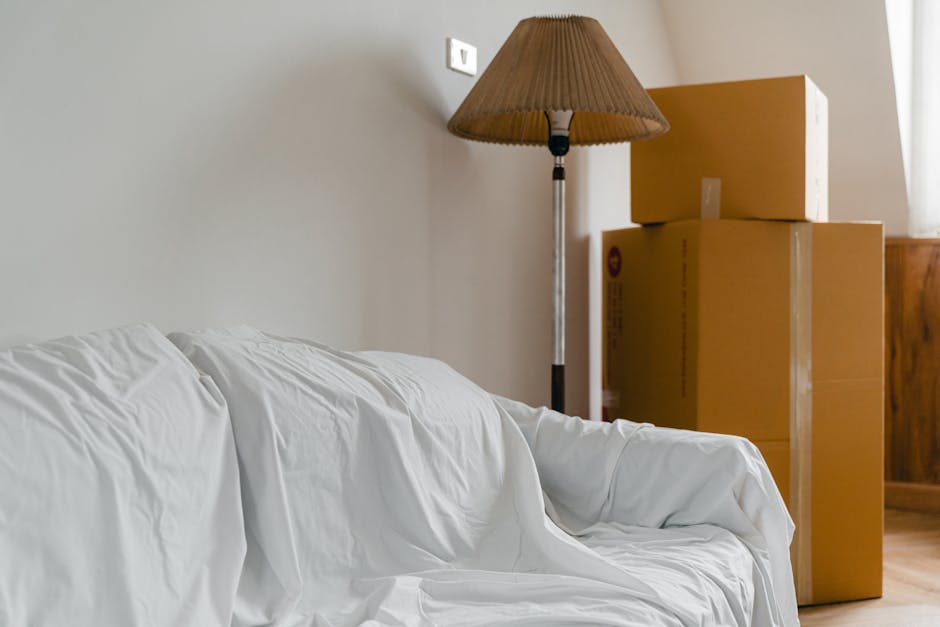
Vacant Homes: These are properties that are empty and lack personal belongings or furniture. For example, a house on the market with no one living in it and no furniture inside.
Unoccupied Homes: These homes are temporarily empty but still have furniture and personal belongings. For instance, a vacation home that you only visit during the summer months.
Why Standard Homeowners Insurance Isn’t Enough
Many people think their standard homeowners insurance will cover their vacant property, but that’s not usually the case. Here’s why:
Vacancy Clauses: Most homeowners insurance policies have vacancy clauses. These clauses limit or exclude coverage if the home is vacant for more than 30 or 60 days.
Increased Risk: Vacant homes are more likely to face issues like theft, vandalism, and unnoticed damage (e.g., water leaks or fires). Insurance companies see these as higher risks and often won’t cover them under a standard policy.
Example: Imagine you’ve moved out of your old home, and it’s been sitting empty for two months while you wait for it to sell. During this time, a pipe bursts, causing significant water damage. If you only have standard homeowners insurance, you might not be covered because of the vacancy clause.
Quick Recap:
– Vacant homes: No furniture or personal belongings, higher risk.
– Unoccupied homes: Temporarily empty but still have furniture, lower risk.
– Standard homeowners insurance: Often doesn’t cover vacant homes due to vacancy clauses and increased risk.
By understanding these differences and limitations, you can see why vacant house insurance is essential for protecting your property when it’s empty.
Why You Need Vacant House Insurance
Common Scenarios Requiring Vacant House Insurance
Owning a vacant home comes with unique risks that standard homeowners insurance often doesn’t cover. Let’s explore why vacant house insurance is crucial and some common scenarios where it becomes essential.
Greater Risk and Financial Loss
Vacant homes are more susceptible to theft, vandalism, and natural disasters. Without someone to watch over the property, minor issues like a small leak can turn into major problems like water damage. This increased risk can lead to significant financial loss if the home isn’t properly insured.
Example: Imagine you inherit a home but don’t live nearby. While it’s vacant, vandals break in and cause extensive damage. Without vacant house insurance, you would bear the full cost of repairs.
Selling a Home
When you’re in the process of selling a home, it might sit vacant for weeks or months. During this time, the property is at higher risk for break-ins and other damages.
Fact: Standard homeowners insurance policies often have vacancy clauses that limit coverage if the home is empty for more than 30 or 60 days. Vacant house insurance fills this gap, providing essential protection.
Inherited Property
Inheriting a home is a significant event, but it often means the property will be vacant while you decide what to do with it. Whether you plan to sell, renovate, or move in later, vacant house insurance ensures the home is protected during this transitional period.
Quote: “Vacant house insurance gave me peace of mind after inheriting my grandparents’ home. It took months to sort everything out, and knowing the property was covered helped a lot.” – Sarah M., Homeowner
Renovation Projects
Homes undergoing renovations are frequently vacant and can be more vulnerable to damage. Construction work, unattended tools, and exposed areas can attract vandals or lead to accidents.
Tip: Always inform your insurance company about renovation plans. Some policies may require additional coverage during extensive renovations.
Vacation Homes
Vacation homes are often unoccupied for long stretches, making them prime targets for theft and vandalism. Vacant house insurance can cover these properties, offering protection even when you’re not there.
Statistic: According to the FBI, homes without occupants are 50% more likely to be burglarized than occupied homes.
Rental Properties
If you own rental properties, there might be periods when the home is vacant between tenants. During these times, the property is at higher risk for damage or break-ins. Vacant house insurance ensures you’re covered, reducing financial risk.
Example: A landlord had a rental property vacant for three months between tenants. During this time, a storm caused roof damage. Vacant house insurance covered the repairs, saving the landlord thousands of dollars.

Peace of Mind
Vacant house insurance provides peace of mind. Knowing your property is protected against unexpected events allows you to focus on other important tasks without constant worry.
Key Takeaways:
– Theft and Vandalism: Vacant homes are more likely to be targeted.
– Natural Disasters: Unnoticed damage can escalate quickly.
– Selling, Inheriting, Renovating: Common scenarios requiring vacant house insurance.
– Peace of Mind: Ensures you’re covered, no matter what.
In the next section, we’ll dive into what vacant house insurance covers and the additional options you may want to consider.
What Does Vacant House Insurance Cover?
Vacant house insurance is designed to protect your empty home from various risks. Let’s break down what it typically covers and the additional options you might want to consider.
Covered Perils
Vacant house insurance generally covers a range of perils similar to standard homeowners insurance, but custom for unoccupied properties. These perils include:
- Fire: Protects against damage to the structure caused by fire.
- Lightning: Covers damage resulting from lightning strikes.
- Wind: Includes protection from windstorms.
- Hail: Covers damage caused by hailstorms.
- Theft: Protection against loss due to burglary.
- Vandalism: Covers damages from vandalism.
- Water Damage: Includes protection from water intrusion, such as from leaky pipes or sprinklers.
Example
Imagine your vacant home is struck by lightning, causing a fire. Without vacant house insurance, you’d be left to cover the damages out of pocket. With it, your policy would handle the repair costs.
Additional Coverage Options
Vacant house insurance isn’t one-size-fits-all. Here are some additional options you may want to consider:
Liability Coverage: Protects you if someone is injured on your property and decides to sue. This is especially important if your vacant home has potential hazards like a pool or trampoline.
Vandalism Protection: While basic policies may include some vandalism coverage, you can often add more extensive protection to ensure you’re fully covered.
Theft Protection: Some policies offer additional theft protection, particularly if you have an active central alarm system that monitors for fire and burglary.
Policy Limits: Different policies come with varying limits on how much they will pay out. For example, the vacant structure product from US Assure offers up to $5 million in property limits and up to $1 million in general liability limits, subject to underwriter approval.
Case Study
Sarah M., Homeowner: “After inheriting my grandparents’ home, I needed time to sort everything out. Vacant house insurance gave me peace of mind, knowing the property was protected during this period.”
Key Takeaways
- Fire, Lightning, Wind, Hail: Basic protections from natural disasters.
- Theft and Vandalism: Specific coverages for these common risks.
- Water Damage: Protection against leaks and other water-related issues.
- Liability Coverage: Important for properties with potential hazards.
- Policy Limits: Ensure your coverage meets your needs.
In the next section, we’ll discuss the costs associated with vacant house insurance and ways to save on your premium.
How Much Does Vacant House Insurance Cost?
Vacant house insurance can be more expensive than standard homeowners insurance. This is because vacant homes pose a greater risk for damage, theft, and vandalism. On average, vacant house insurance costs about 50% to 60% more than standard home insurance.
Factors Affecting Cost
Several factors can influence how much you’ll pay for vacant house insurance:
- Location: Homes in high-risk areas (like those prone to flooding or hurricanes) generally cost more to insure.
- Duration of Vacancy: The longer a home is vacant, the higher the risk, and thus, the higher the cost.
- Home Value: More expensive homes typically cost more to insure.
- Condition of the Property: Well-maintained homes might get better rates than those in poor condition.
- Coverage Limits: Higher coverage limits mean higher premiums.
Comparison with Standard Insurance
Standard homeowners insurance policies typically do not cover homes that are vacant for extended periods. If your home is considered vacant, you need a specialized policy, which, as mentioned, costs more due to the increased risks.
Prorated Policies
If your home will only be vacant for a short period, you might not need an annual policy. Some insurers offer prorated or short-term policies, which can be more cost-effective. For example, you might be able to get coverage for just three or six months instead of a full year.
Ways to Save on Vacant House Insurance
Even though vacant house insurance can be pricey, there are several ways to save:
- Shop Around: Don’t settle for the first quote you get. Compare multiple providers to find the best rate.
- Compare Quotes: Look at not just the premium, but also the coverage limits and deductibles to find the best value.
- Short-Term Policies: If your home will only be vacant for a short time, opt for a short-term policy.
- Increase Your Deductible: A higher deductible can lower your premium. Just make sure you can afford the out-of-pocket costs if you need to file a claim.
Key Takeaways
- Average Cost: Vacant house insurance is typically 50%-60% more expensive than standard home insurance.
- Factors Affecting Cost: Location, duration of vacancy, home value, condition, and coverage limits.
- Comparison with Standard Insurance: Vacant house insurance is specialized and more expensive.
- Prorated Policies: Short-term options can be more affordable.
- Ways to Save: Shop around, compare quotes, opt for short-term policies, and consider higher deductibles.
In the next section, we’ll guide you through the process of purchasing vacant house insurance and what steps you need to take to get covered.
How to Purchase Vacant House Insurance
Steps to Apply for Vacant House Insurance
Purchasing vacant house insurance can seem daunting, but breaking it down into simple steps makes it manageable. Here’s how to go about it:
1. Determine Your Need
First, figure out if you actually need vacant house insurance. If your home will be unoccupied for more than 30 to 60 days, it’s likely considered vacant. This can happen if you’re:
- Moving into a new house but haven’t sold your old one
- Renovating a newly purchased home
- Selling a property you inherited
Being honest with your insurance company about the status of your property is crucial.
2. Check with Your Current Provider
Start by asking your current insurance provider if they offer vacant house insurance. Some insurers allow you to add vacant property coverage to your existing policy, while others require a separate policy.
3. Shop Around and Compare Quotes
Don’t settle for the first quote you get. Compare quotes from multiple insurers to find the best deal. Look not just at the monthly premiums, but also at deductibles and coverage limits.
4. Gather Required Documents
When you’re ready to apply, you’ll need several documents:
- Government-issued ID: To verify your identity.
- Proof of Ownership: Documents like the deed or title.
- Estimated Home Value: An appraisal or market value assessment.
- Duration of Vacancy: How long you expect the home to be vacant.
5. Apply for Coverage
Now, you can apply for coverage. This involves filling out forms and providing the documents you’ve gathered. Some insurers may allow you to do this online, while others might require a phone call or in-person visit.
6. Review Policy Terms
Before finalizing, carefully review the policy terms. Look for any exclusions or limits and make sure you understand the process for filing a claim.
7. Consider Additional Coverages
Depending on your situation, you might need extra coverage. Options include:
- Liability Coverage: Protects against legal issues if someone gets hurt on your property.
- Vandalism Protection: Covers damage from vandalism.
- Theft Protection: Covers stolen property.
Key Takeaways
- Determine Need: Know if your home qualifies as vacant.
- Current Provider Options: Check with your existing insurer first.
- Shop Around: Compare quotes for the best deal.
- Required Documents: Have all necessary paperwork ready.
- Review Policy Terms: Understand what’s covered and what’s not.
- Additional Coverages: Consider extra protections if needed.
By following these steps, you can ensure your vacant home is properly protected and gain peace of mind. In the next section, we’ll tackle some frequently asked questions about vacant house insurance to further clarify common concerns and considerations.
Frequently Asked Questions about Vacant House Insurance
What is the difference between vacant and unoccupied?
Understanding the difference between vacant and unoccupied homes is crucial for insurance purposes.
Vacant Home: A property is considered vacant when it’s empty and has no personal belongings inside. Utilities may be turned off, and there’s no immediate intention for someone to live there. For instance, a house listed for sale after the owners have moved out is vacant.
Unoccupied Home: An unoccupied home, on the other hand, still has furniture and personal belongings in it. It’s temporarily empty because the residents are away, perhaps on vacation or in between tenants in a rental property. Utilities are usually still connected.
Example: If you go on a month-long vacation, your home is unoccupied. If you move out and leave the house empty while waiting for it to sell, it’s vacant.
Why is vacant home insurance so expensive?
Vacant home insurance tends to be more expensive due to the higher risks involved. Here are some reasons:
Increased Risk of Damage: Without someone there to notice issues like leaks or fires, minor problems can turn into major damage.
Higher Likelihood of Theft and Vandalism: Empty homes are more attractive targets for thieves and vandals.
No Immediate Response to Emergencies: Without residents, there’s no one to call for help or take immediate action if something goes wrong.
Statistic: Vacant home insurance can cost about 50% – 60% more than standard homeowners insurance, reflecting these added risks.
What does vacant mean in an insurance policy?
In an insurance policy, vacant means the home is completely empty of all personal belongings and no one is living there. This status can affect your coverage:
Restricted Coverage: Many standard homeowners insurance policies have vacancy clauses. These clauses can limit or exclude coverage if the home is vacant for more than 30-60 days.
Need for Specialty Coverage: Because of the increased risks, you often need a separate vacant home insurance policy to ensure you’re fully protected.
Tip: Always inform your insurance company about the status of your property to avoid any issues with claims.
By understanding these key differences and reasons, you can better steer the complexities of vacant home insurance and ensure your property is adequately protected.
Conclusion
In summary, vacant house insurance is vital for protecting your empty property from various risks like theft, vandalism, and natural disasters. Standard homeowners insurance often doesn’t cover these risks, making specialty coverage essential. Whether you’re selling a home, renovating, or managing a rental property, vacant house insurance provides the peace of mind you need.
At ISU Armac, we understand the unique challenges of insuring vacant properties. Our team of experts is dedicated to finding the best coverage at the lowest rates by shopping multiple carriers. This ensures you get the protection you need without breaking the bank.
Financial protection is crucial when it comes to your property. A vacant home can quickly become a financial liability if not properly insured. With the right policy, you can safeguard your investment and avoid costly out-of-pocket expenses.
Don’t leave your vacant property unprotected. Contact us today to learn more about how we can help you secure the best vacant house insurance options.
By choosing ISU Armac, you’re not just getting insurance; you’re gaining peace of mind and financial security. Protect your vacant home, protect your future.