
Why Family Dental Insurance Matters for Your Household
Best family dental insurance helps manage the rising cost of dental care for everyone in your household—from routine cleanings to unexpected procedures. Without coverage, a family of four can face annual dental expenses exceeding $2,500, with cleanings costing $100-$200 per person and major treatments like root canals topping $1,000 per tooth.
Top Family Dental Insurance Options at a Glance:
- Delta Dental – Largest network with comprehensive coverage.
- Humana – Over 270,000 dentists and competitive family rates.
- Blue Cross – Trusted name with flexible PPO plans.
- Manulife – Customizable plans with special rates for larger families.
- Sun Life – Strong coverage for orthodontics and clear reimbursement.
What Most Plans Cover:
- Preventive care at 100%: Checkups, cleanings, X-rays (typically 2x per year).
- Basic procedures at 80%: Fillings, extractions.
- Major procedures at 50%: Root canals, crowns, implants.
The right plan balances affordable monthly premiums (averaging $25-$50 for families) with a network that includes your preferred dentist. Most plans have annual maximums between $1,000 and $2,500 per person, so understanding these limits is crucial.
I’m Ryan McEachron, CEO of ISU Insurance Services ARMAC Agency in Victorville. With over two decades of experience, I’ve helped countless High Desert families find the best family dental insurance to protect their smiles and budgets. My work with the Victorville City Council and Chamber of Commerce reinforces my commitment to ensuring our community has access to affordable, quality coverage.

Understanding Dental Insurance: Coverage Tiers and Costs
Picking the right dental insurance is easier once you understand how plans work. Family dental plans bundle everyone under one policy, which is simpler and more affordable than buying separate individual plans. You benefit from group rates, a single deductible, and streamlined administration.
Most dental insurance follows the 100-80-50 rule, which outlines coverage percentages:
- 100% for Preventive Care: You pay nothing for routine checkups, cleanings, and X-rays. Insurers cover these fully to prevent more expensive problems later.
- 80% for Basic Procedures: After your deductible, the plan covers most of the cost for common treatments like fillings and extractions.
- 50% for Major Procedures: For big-ticket items like root canals, crowns, and bridges, the plan typically covers half the cost. These are the procedures where insurance provides the most significant financial protection. For more on complex treatments, our guide on dental implant insurance offers more detail.
Prioritizing children’s oral health is critical. The American Academy of Pediatric Dentistry recommends a child’s first dental visit by their first birthday. Regular checkups monitor development and catch issues early, a point reinforced by the CDC’s data on children’s oral health.

Key Costs and Coverages
Understanding your out-of-pocket costs is crucial for budgeting.
- Premiums: Your fixed monthly payment to keep the plan active, typically $25-$50 for a family.
- Deductible: The amount you pay before insurance begins to cover costs (e.g., the first $50 of dental work).
- Copayments & Coinsurance: A copayment is a fixed fee for a service (e.g., $10 for a cleaning). Coinsurance is your percentage of the bill after the deductible is met (e.g., you pay 20% for a basic procedure covered at 80%).
- Annual Maximums: The most your plan will pay per person in a year, usually between $1,000 and $2,500. Exceeding this limit means you cover 100% of costs until the plan renews.
While routine care like cleanings, exams, and fillings are standard, it’s important to know the common exclusions. Cosmetic procedures (e.g., teeth whitening) are not covered. Most plans also have frequency limits (e.g., two cleanings per year) and waiting periods. Preventive care is often covered immediately, but you may wait 6-12 months for major procedures. This is why it’s best to get insurance before you need significant work.
At ISU Armac, we help Victorville families steer these details. For a broader look at your options, see our resource on the best dental insurance coverage.

Comparing Types of Family Dental Plans
Choosing a dental plan is about finding the right balance of cost, flexibility, and network access for your family. A key question to ask is whether you want to keep your current dentist or are willing to switch to save money. Your answer will help determine which plan type is the best family dental insurance for you.

For those with employer-sponsored options, understanding how group dental plans work is also beneficial, as they often provide improved benefits at a lower cost.
Preferred Provider Organization (PPO) Plans
PPOs are the most popular choice for families because they balance freedom and savings.
- Flexibility: You can visit any licensed dentist, but you’ll save more by staying with in-network dentists who have negotiated lower rates with the insurer.
- Out-of-Network Coverage: You can see an out-of-network dentist, but your out-of-pocket costs will be higher, as the plan will only reimburse a percentage of what it considers a “usual and customary” fee.
- Cost: Premiums are generally higher than HMOs, reflecting the cost of greater flexibility.
Health Maintenance Organization (HMO) Plans
HMOs are designed for affordability and are an excellent budget-friendly option.
- Lower Premiums: These plans typically have the lowest monthly costs.
- Network Restrictions: You must select a primary care dentist from the plan’s network and receive all care from in-network providers. You’ll need a referral from your primary dentist to see a specialist.
- Predictable Costs: Instead of deductibles and coinsurance, HMOs use a schedule of fixed co-payments for services (e.g., $10 for a cleaning, $50 for a filling), making costs easy to predict.
Indemnity and Discount Plans
These alternatives serve specific needs outside the standard PPO and HMO models.
- Indemnity Plans: Often called “fee-for-service,” these plans offer complete freedom to see any dentist with no network. You typically pay the dentist upfront and submit a claim for reimbursement. This flexibility comes with higher premiums and more paperwork.
- Dental Discount Programs: These are not insurance but membership programs. You pay an annual fee to access a network of dentists who have agreed to provide services at a discounted rate (10%-60% off). There are no waiting periods, deductibles, or annual maximums, making them a good option for immediate needs or for services not covered by traditional insurance.
How to Choose the Best Family Dental Insurance Plan
Finding the best family dental insurance means matching a plan to your family’s specific health needs and budget. A family with young children has different priorities than one with teenagers who may need braces. At ISU Armac, we help families across Southern California, from Victorville to Hesperia, make this important choice.

The goal is to find a policy that offers real value. Before recommending a plan, we ask key questions: Do you want to keep your current dentist? Do you anticipate major dental work? What is your budget for premiums? For a deeper dive into your options, our guide on the best dental insurance coverage is a great resource.
Key Features to Look for in the Best Family Dental Insurance
When evaluating plans, focus on these critical features:
- Waiting Periods: Most plans have them. Preventive care is often covered immediately, but basic procedures may have a 3-6 month wait, and major services (crowns, implants) can require a 6-12 month wait. Plan ahead.
- Network Size and Type: A large network (like those from Delta Dental or Humana) offers more choice. Decide if a flexible PPO or a budget-friendly HMO network is a better fit for your family.
- Exclusions and Limitations: Read the fine print. Cosmetic procedures are almost always excluded, and there are often frequency limits on services like cleanings or X-rays.
- Pre-existing Conditions: Most plans cover them after a waiting period. If you need immediate care, a dental discount plan might be a better initial option.
- Annual Maximums: This is the most an insurer will pay per person per year. Ensure the maximum is high enough to cover your family’s potential needs, especially if multiple members might need care.
- Customer Service: A company with a good reputation for claims processing and support can save you headaches. Check reviews before committing.
Considering Special Coverage Needs
Think ahead about any specific treatments your family might require.
- Orthodontics: If braces are a possibility for your children, look for a plan with orthodontic coverage. This usually comes with a lifetime maximum of $1,000-$2,000 per child. Adult orthodontics is rarely covered. Our guide to dental insurance for braces has more.
- Dental Implants: As a major procedure, implants are often covered at 50% after a waiting period. Check for specific limitations. Our dental implant insurance page explains this in detail.
- Wisdom Teeth Removal: Coverage depends on the complexity. Simple extractions fall under basic care, while surgical removal is a major procedure.
- Pediatric Dental Care: This is foundational for lifelong health. The CDC reports that 20% of children aged 5-11 have untreated decay. A plan with 100% preventive coverage encourages the regular checkups needed to prevent this. The American Dental Association also offers great resources on children’s oral health.
Frequently Asked Questions about Family Dental Insurance
What is the main benefit of a family dental plan over multiple individual plans?
The primary benefits are cost savings and simplicity. A single family plan is almost always cheaper than multiple individual policies. You’ll also manage just one premium and one household deductible, which means your benefits kick in faster for the whole family. The simplified administration of having one policy to track, one renewal date, and one point of contact is a significant advantage for busy families.
Are there waiting periods for major dental work?
Yes, waiting periods for major dental work are standard in most plans. They exist to keep plans affordable by preventing individuals from signing up only when they need expensive work. Here’s a typical timeline:
- Preventive Care (cleanings, exams): Immediate coverage or a short wait (0-3 months).
- Basic Procedures (fillings): 3-6 month waiting period.
- Major Procedures (crowns, root canals): 6-12 month waiting period, sometimes longer.
It’s crucial to enroll in a plan before you need major work. Once you’ve passed the initial waiting periods, you’ll have continuous coverage as long as the plan is active.
Can I get dental insurance if I have pre-existing conditions?
Yes, you can. Dental insurance providers rarely deny coverage due to pre-existing conditions. Instead, they manage these situations with a few common approaches:
- Waiting Periods: The most common method. You will be accepted into the plan, but coverage for treating the pre-existing condition won’t begin until after a waiting period (typically 6-12 months).
- Guaranteed Issue Plans: These plans accept all applicants, regardless of their dental history, though waiting periods still apply for major work.
- Dental Discount Programs: If you need immediate help, these non-insurance programs are a great alternative. There are no waiting periods, and you get instant access to discounted rates for all procedures, including those for pre-existing conditions.
The American Dental Association confirms the strong link between oral health and overall health. Securing dental coverage, even with existing issues, is a vital step in maintaining your family’s total well-being.
Conclusion: Securing Your Family’s Oral Health
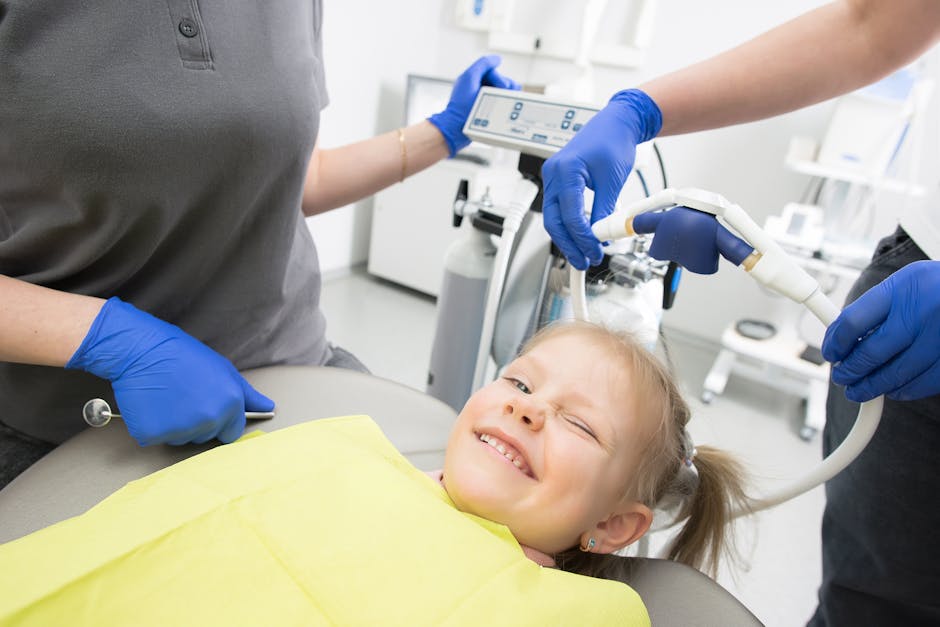
Choosing the best family dental insurance is a proactive investment in your household’s health and financial peace of mind. It’s about ensuring access to preventive care and protecting your budget from unexpected costs.
As we’ve covered, the right plan depends on your unique needs. Whether you prioritize the flexibility of a PPO, the affordability of an HMO, or the immediate savings of a discount program, the goal is to make an informed choice that balances cost and coverage.
Here at ISU Armac, we specialize in helping families in Victorville, Apple Valley, Hesperia, and throughout Southern California do just that. We don’t offer a one-size-fits-all solution. Instead, we take the time to understand your needs and shop multiple carriers to find the optimal plan at a competitive rate. This personalized approach is what we’ve built our reputation on for over two decades.
Good dental care is foundational to overall health, a fact consistently highlighted by the American Dental Association. By securing the right coverage, you’re investing in your family’s long-term well-being.
Don’t let the options overwhelm you. We’re here to provide clarity and guide you to the perfect solution for your family.
Get a personalized individual dental quote today and let’s work together to protect your family’s smiles.