
Should I get earthquake insurance in California? The answer is simple: if you live in an earthquake-prone area like California, particularly in districts like Victorville or nearby regions, having earthquake insurance can be a crucial layer of financial protection. Here’s why:
- California is a seismic hotspot. Fault lines crisscross the state, making earthquakes inevitable.
- Standard homeowners insurance doesn’t cover earthquake damage.
- The California Earthquake Authority (CEA) provides specialized insurance options custom to this unique risk.
Earthquake insurance acts as a safety net, offering peace of mind and financial security if the ground shakes. With its ability to cover repairs, replacements, and even temporary housing, earthquake insurance is less of a luxury and more of a necessity for Californians.
I’m Ryan McEachron, and as a lifelong resident of the High Desert and CEO of ISU Insurance Services ARMAC Agency, I understand the unique risks and needs of those living in earthquake zones. My experience on the Victorville City Council and various community boards has given me valuable insight into the insurance needs of our local community. Let’s explore your options for ensuring you’re prepared and protected.
Should i get earthquake insurance in california vocab to learn:
– earthquake insurance california
– what does california earthquake insurance cover
– state of california earthquake insurance
Understanding Earthquake Insurance
When it comes to protecting your home in California, understanding earthquake insurance is key. This type of insurance is separate from your standard homeowners policy, and it’s designed to cover specific damages that earthquakes can cause. Let’s break down what it covers and what it doesn’t.
What Does Earthquake Insurance Cover?
1. Dwelling Coverage
The main goal of earthquake insurance is to help you repair or rebuild your home if it’s damaged by an earthquake. This is known as dwelling coverage. For example, if an earthquake cracks your foundation or crumbles your walls, this coverage kicks in to help with repairs.
2. Personal Property
Your belongings matter, too. Earthquake insurance can cover personal property like appliances, furniture, and electronics. Imagine your TV or laptop getting damaged during a quake—this insurance helps replace those items.
3. Additional Living Expenses
If your home becomes uninhabitable after an earthquake, where would you go? Earthquake insurance often covers additional living expenses, such as hotel bills or rental housing, while your home is being repaired. This ensures you have a roof over your head, even if it’s not your own.
What Earthquake Insurance Does Not Cover
1. Land Damage
While earthquake insurance covers your home, it typically doesn’t cover land damage. This means issues like sinkholes or landslides triggered by a quake aren’t included. You might need separate coverage for these risks.
2. Vehicles
Your car is another story. Earthquake insurance doesn’t cover vehicle damage. Instead, check your auto insurance policy to see if it includes coverage for earthquake-related damage.
3. Floods
If an earthquake causes a flood—say, from a tsunami or dam failure—earthquake insurance won’t cover it. You’d need a separate flood insurance policy for that. Given California’s coastal areas, understanding this exclusion is crucial.
Coverage Limits and High Deductibles
Earthquake insurance comes with coverage limits and high deductibles. The deductible is the amount you pay out of pocket before your insurance kicks in. These deductibles can range from 5% to 25% of your coverage limits. This means if your home is insured for $300,000, you might have to pay up to $75,000 before insurance helps. It’s important to weigh these costs when deciding if earthquake insurance is right for you.
In the next section, we’ll dive deeper into evaluating your risk and deciding if you can afford not to have earthquake insurance in California.
Should I Get Earthquake Insurance in California?
Deciding whether to get earthquake insurance in California involves a careful risk assessment and consideration of various factors. Let’s explore what you need to know to make an informed decision.
Evaluating Your Risk
Proximity to Fault Lines
California is crisscrossed with nearly 16,000 known fault lines, making it one of the most earthquake-prone regions in the world. If you live near a major fault, like the San Andreas or Hayward Fault, your risk of experiencing an earthquake is significantly higher. Understanding your home’s proximity to these fault lines is crucial. You can check the U.S. Geological Survey website for detailed maps.
Seismic History
Historical data shows that significant earthquakes are not just possible—they’re expected. Consider the seismic history of your area. Areas with frequent past earthquakes are likely to experience them again. This history can give you a sense of how often and how severe future quakes might be.
Home Construction
The construction of your home plays a big role in its vulnerability to earthquakes. Older homes, especially those built before modern seismic codes, are more at risk. Homes made of brick or masonry are particularly susceptible to damage. Understanding your home’s construction can help you gauge the potential impact of an earthquake.
Can You Afford Not to Have It?
Repair Costs
Earthquake damage can be extensive and costly. Repairing a cracked foundation, rebuilding walls, or replacing personal belongings can quickly add up to tens or even hundreds of thousands of dollars. Without insurance, these costs fall entirely on you.
Mortgage Obligations
If you’re still paying off a mortgage, consider the financial strain of maintaining those payments while also covering repair costs. Earthquake insurance can help protect your investment and ensure you don’t face foreclosure due to an inability to repair your home.
Government Aid Limitations
Many people think the government will step in to help after a major quake. However, federal disaster aid, like FEMA grants, is often limited and primarily available as low-interest loans. You must demonstrate the ability to repay these loans, and grants are typically only for those who do not qualify for loans. Relying solely on government aid can be risky.
In summary, when considering should I get earthquake insurance in California, evaluate your risk based on location, construction, and financial capacity to handle potential losses. In the next section, we’ll explore the costs and benefits of earthquake insurance to further guide your decision.
Costs and Benefits of Earthquake Insurance
When it comes to earthquake insurance, understanding the costs and benefits is crucial for making an informed decision. Let’s break down the key factors that influence premiums, deductibles, and the overall financial protection you can expect.
How Much Does Earthquake Insurance Cost?
Premium Factors
The cost of earthquake insurance varies based on several factors:
Location-Based Pricing: If you live near active fault lines, like those in Southern California, expect higher premiums. For instance, in California, premiums can exceed $1,300 annually, while on the East Coast, they may be less than $300. This is because risk levels are higher in earthquake-prone areas.
Home Features: The age and construction style of your home significantly impact your premium. Newer homes built to modern seismic standards often enjoy lower rates. Wood-framed homes, known for their flexibility during quakes, also typically cost less to insure than brick or masonry homes.
Retrofitting Discounts: Investing in a seismic retrofit can reduce your premiums by up to 25%. Programs like the Earthquake Brace & Bolt (EBB) offer financial assistance for retrofitting, making your home safer and potentially lowering insurance costs.
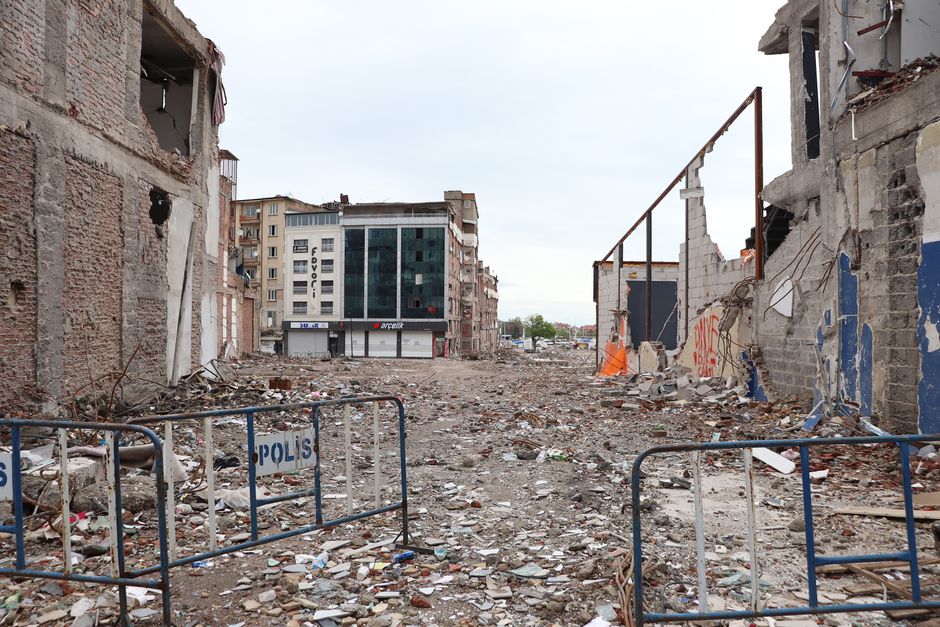
Pros and Cons of Earthquake Insurance
Financial Protection
The primary benefit of earthquake insurance is the financial safety net it provides. In the event of a quake, insurance covers the cost to repair or rebuild your home, replace personal belongings, and even pay for temporary living expenses if you need to relocate. This protection can prevent you from taking on massive debt or facing foreclosure.
High Premiums and Deductibles
However, it’s important to weigh these benefits against the costs. Earthquake insurance premiums can be high, especially in areas with frequent seismic activity. Additionally, policies often come with high deductibles, meaning you’ll need to cover significant out-of-pocket costs before insurance kicks in. For example, a deductible could range from 10% to 20% of your home’s insured value.
Out-of-Pocket Costs
While insurance provides coverage, the high deductibles mean you might still need to pay a substantial amount yourself. For a policy with a $500,000 coverage limit and a 15% deductible, you’d be responsible for the first $75,000 in damages. This can be a significant financial burden, so ensure you have savings or a financial plan to cover these costs.
In summary, when contemplating should I get earthquake insurance in California, consider the balance between the peace of mind it offers and the financial commitments required. In the next section, we’ll address some frequently asked questions to help clarify any remaining uncertainties.
Frequently Asked Questions about Earthquake Insurance
Is Earthquake Insurance Mandatory in California?
No, earthquake insurance is not required in California. Unlike car insurance, you’re not legally obligated to have it. However, given California’s high earthquake risk, it can be a wise investment to protect your home and belongings. The California Earthquake Authority (CEA) offers policies through participating insurance companies, making it relatively accessible for most homeowners.

What Happens If I Don’t Have Earthquake Insurance?
If you don’t have earthquake insurance and your home is damaged during a quake, you’ll have to cover all repair and rebuilding costs yourself. This can be financially devastating, especially if you have a mortgage. Without insurance, you might also struggle to pay for temporary housing if your home becomes uninhabitable. While government aid, like FEMA assistance, is available, it’s often limited to low-interest loans, which you must repay, or small grants that might not cover extensive damage.
How Do Earthquake Insurance Deductibles Work?
Earthquake insurance deductibles function differently from those in standard homeowners policies. They are typically a percentage of your dwelling coverage limit, ranging from 5% to 25%. For example, if your home is insured for $300,000 and you have a 15% deductible, you’d need to cover the first $45,000 of repair costs before your insurance pays out. This high deductible means you’ll need to assess whether you can manage these potential out-of-pocket expenses in the event of a quake.
Understanding these FAQs can help you decide whether earthquake insurance is right for you. In the next section, we’ll explore the conclusion, highlighting how ISU Armac can help tailor coverage to your needs.
Conclusion
When it comes to protecting your home in California, earthquake insurance is a decision that shouldn’t be taken lightly. The risks are real, and the financial implications of an earthquake can be overwhelming. That’s why it’s crucial to make an informed decision about whether or not to invest in earthquake insurance.
At ISU Armac, we understand that each homeowner’s needs are unique. Our goal is to provide you with personalized coverage options that fit your situation. Whether you’re concerned about your proximity to fault lines, the construction of your home, or the potential costs of repairs, we’re here to help.
Our team can guide you through evaluating your risk factors and understanding the costs and benefits of earthquake insurance. We offer insights into how earthquake insurance can serve as a financial safety net, helping you rebuild and recover in the aftermath of a seismic event.
Choosing earthquake insurance is not just about protecting your property; it’s about securing peace of mind. With ISU Armac, you’re not just getting a policy—you’re gaining a partner committed to your safety and security. Our expertise and dedication ensure you have access to the best coverage options custom to your needs.
If you’re ready to explore how earthquake insurance can protect your home and financial future, contact us today. Together, we can face the uncertainties of tomorrow with confidence.