

Why Electrical Contractors Insurance is Crucial
Electrical contractors insurance is a must-have for anyone in the electrical contracting business. Whether you’re handling complicated wiring projects or installing new electrical systems, having the right protection can save your business from financial ruin if things go wrong.
Common types of coverage include:
- General Liability Insurance: Protects against claims of bodily injury or property damage.
- Workers’ Compensation Insurance: Covers medical costs and lost wages for injured employees.
- Commercial Auto Insurance: Keeps work vehicles covered in case of accidents.
- Property Insurance: Safeguards your tools, equipment, and business location.
Accidents happen, and without adequate insurance, the costs of lawsuits, medical bills, and equipment damage can be overwhelming. As an electrical contractor, you face unique risks every single day. A faulty wire or incorrect installation can lead to property damage, injuries, or even fatalities.
I’m Ryan McEachron, CEO of ISU Insurance Services ARMAC Agency. With years of experience in the insurance field and my involvement in local community services, I understand the unique challenges electrical contractors face. My goal is to help you find the best electrical contractors insurance to keep your business and employees protected.
Now, let’s dive deeper into what electrical contractors insurance entails and why it’s vital for your business.
Simple guide to electrical contractors insurance terms:
– contractor insurance
– does homeowners insurance cover damage caused by a contractor
– how to become a preferred contractor for insurance companies
What is Electrical Contractors Insurance?
Electrical Contractors Insurance is a specialized type of business insurance custom for those working in the electrical contracting industry. It provides comprehensive coverage to protect against the unique risks faced by electrical contractors, such as property damage, bodily injury, and financial losses due to accidents or errors.
Purpose of Electrical Contractors Insurance
The primary purpose of this insurance is to offer financial protection and peace of mind. Electrical work involves numerous hazards, from handling high voltage systems to working in confined spaces. Mistakes or accidents can lead to costly lawsuits, medical expenses, or damage to client property.
Ryan McEachron, CEO of ISU Insurance Services ARMAC Agency, emphasizes, “Our goal is to help you find the best electrical contractors insurance to keep your business and employees protected.”
Coverage Offered
Electrical Contractors Insurance typically includes several key coverages:
General Liability Insurance: This is essential for protecting against claims of bodily injury or property damage caused by your business operations. It covers medical bills, legal fees, and settlements.
Workers’ Compensation Insurance: If an employee gets injured on the job, this coverage helps pay for medical expenses and lost wages. It’s required by law in most states.
Commercial Auto Insurance: Any vehicles used for business purposes need this insurance. It covers damages and injuries resulting from vehicle accidents.
Property Insurance: This safeguards your tools, equipment, and business premises from risks like fire, theft, and vandalism.
Inland Marine Insurance: For materials, tools, and equipment that are in transit or used on different job sites. This ensures they are protected wherever they are.
Cyber Risk Insurance: Protects against data breaches and cyber-attacks, which can compromise sensitive client information.
Environmental Liability Insurance: Covers claims related to pollution or environmental damage caused by your work.
Professional Liability Insurance: Also known as Errors & Omissions Insurance, it covers legal costs if you’re sued for mistakes or negligence in your professional services.
Financial Protection
Accidents and errors can happen despite the best precautions. Without adequate insurance, the financial burden of lawsuits, medical bills, or equipment replacement can be overwhelming. For instance, if an incorrect installation leads to a fire, the costs of property damage and legal fees could bankrupt a small business.
The market for commercial insurance is growing rapidly. In 2022, it reached $800.4 billion and is projected to expand at a Compound Annual Growth Rate (CAGR) of 8.1% over the next decade. This growth is driven by increasing risk consciousness among businesses and individuals.
Having electrical contractors insurance means you can focus on your work without constantly worrying about potential financial setbacks. It ensures that your business remains operational and financially stable even when unexpected events occur.
Next, we’ll explore the key coverages that every electrical contractor should consider to ensure comprehensive protection.
Key Coverages for Electrical Contractors
When it comes to electrical contractors insurance, having the right coverages is crucial. Here are the key coverages you should consider:
General Liability Insurance
General Liability Insurance is your first line of defense. It protects against claims of bodily injury or property damage caused by your business operations. For example, if a client trips over your equipment and gets injured, this insurance covers medical bills, legal fees, and settlements. It’s essential for any electrical contractor.
Commercial Auto Insurance
If you use vehicles for work, Commercial Auto Insurance is a must. It covers damages and injuries resulting from vehicle accidents. Whether you’re transporting tools or traveling between job sites, this insurance ensures that your business vehicles are protected.
Workers’ Compensation Insurance
Working with live wires and power tools is risky. Workers’ Compensation Insurance covers medical expenses and lost wages if an employee gets injured on the job. In most states, it’s legally required. This insurance not only protects your employees but also shields your business from potential lawsuits.
Property Insurance
Your tools, equipment, and business premises are valuable assets. Property Insurance safeguards them from risks like fire, theft, and vandalism. Whether you store supplies at home or in a workshop, this insurance ensures that your business can recover quickly from property damage.
Inland Marine Insurance
For electrical contractors, tools and materials often move from site to site. Inland Marine Insurance covers these items while they’re in transit or at different job locations. This insurance is vital for protecting your equipment wherever you go.
Cyber Risk Insurance
In today’s digital age, protecting against cyber threats is essential. Cyber Risk Insurance covers data breaches and cyber-attacks that can compromise sensitive client information. This insurance helps manage the financial fallout from cyber incidents.
Environmental Liability Insurance
Electrical work sometimes involves dealing with hazardous materials. Environmental Liability Insurance covers claims related to pollution or environmental damage caused by your work. This insurance is crucial for projects where environmental risks are present.
Professional Liability Insurance
Even with the best precautions, mistakes happen. Professional Liability Insurance, also known as Errors & Omissions Insurance, covers legal costs if you’re sued for errors or negligence in your professional services. For instance, if a wiring mistake causes a fire, this insurance helps cover the resulting legal and repair costs.
Having the right mix of these coverages ensures that your business is well-protected from various risks. Next, we’ll discuss the factors affecting the cost of electrical contractors insurance.
Factors Affecting the Cost of Electrical Contractors Insurance
Understanding the cost of electrical contractors insurance is crucial for budgeting and planning. Several factors can influence the price you pay. Let’s break them down:
Business Size
The size of your electrical contracting business plays a significant role in determining insurance costs. Larger businesses with more employees and higher revenues typically face higher premiums. This is because they have more assets to protect and potentially greater exposure to risks.
Contract Types
The types of contracts you take on also affect your insurance costs. For instance, if you frequently work on high-risk projects like industrial installations or high-rise buildings, your premiums will be higher. These projects carry more significant risks compared to residential or small commercial jobs.
Number of Employees
More employees mean higher insurance costs. This is especially true for Workers’ Compensation Insurance, which covers medical expenses and lost wages for injured workers. The more people you have on your payroll, the higher the likelihood of workplace injuries, leading to increased premiums.
Coverage Amounts
The extent of coverage you choose will directly impact the cost. Higher coverage limits mean higher premiums. For example, an electrician needing $10,000 in personal property protection will pay more than one needing only $5,000. It’s essential to balance adequate coverage with affordable premiums.
Deductibles
A deductible is the amount you pay out of pocket before insurance kicks in. Choosing a higher deductible can lower your premium, but it also means you’ll pay more upfront in the event of a claim. Finding the right balance between deductible and premium is key to managing your insurance costs effectively.
Job-Related Exposures
The nature of your work and the risks involved also influence insurance costs. For example, if your business specializes in high-risk electrical work like industrial wiring or working in hazardous environments, you’ll face higher premiums. Insurers assess these job-related exposures to determine the likelihood of claims.
Additional Factors
Other factors, such as your business’s location, claim history, and specific state requirements, can also affect your insurance costs. Businesses in areas prone to natural disasters or with a history of frequent claims may face higher premiums.
By understanding these factors, you can better anticipate and manage the costs of electrical contractors insurance. Next, we’ll explore how to choose the right insurance for your business.
How to Choose the Right Electrical Contractors Insurance
Choosing the right electrical contractors insurance can seem overwhelming, but it doesn’t have to be. Here are some key steps to simplify the process:
Assessing Risks
First, identify the specific risks your business faces. Do you work on high-rise buildings or industrial sites? Do you have a lot of employees or expensive tools? Understanding your unique risks will help you choose the right coverage.
Example: An electrician working in industrial settings might need more coverage for property damage and employee injuries than one who primarily handles residential jobs.
Comparing Policies
Not all insurance policies are created equal. When you start shopping around, don’t just look at the price. Check what’s included. Two policies might look similar but have different exclusions or limits.
Tip: Make a list of your must-have coverages and compare them across different policies. This way, you can ensure you’re getting the best value for your money.
Working with an Agent
A good insurance agent can be invaluable. They can help you understand your options, customize your policy, and find the best rates. Agents know the ins and outs of the industry and can guide you through the process.
Quote: “A good agent will work with you to tailor a policy that fits your needs perfectly.” — ISU Armac
Understanding State Requirements
Insurance requirements for electrical contractors can vary by state. Some states may require specific coverages, like workers’ compensation or commercial auto insurance. Make sure you understand the legal requirements in your state to avoid any compliance issues.
Example: In South Carolina, if you have four or more employees, workers’ compensation insurance is a must.
Putting It All Together
Choosing the right electrical contractors insurance is all about understanding your risks, comparing policies, and working with a knowledgeable agent. By taking these steps, you can ensure that your business is well-protected against any potential risks.
Next, we’ll answer some frequently asked questions to clear up any remaining doubts you might have.

Frequently Asked Questions about Electrical Contractors Insurance
Navigating electrical contractors insurance can be tricky. Here are some frequently asked questions to help clarify things:
What types of insurance do electrical contractors need?
General Liability Insurance: This is a must-have for any electrical contractor. It covers bodily injury and property damage that might occur as a result of your business operations. For example, if a client trips over your equipment and gets hurt, general liability insurance can cover their medical bills.
Commercial Auto Insurance: If you use vehicles for your business, you need commercial auto insurance. This coverage protects against damages and injuries that might occur in an auto accident involving your company vehicle.
Workers’ Compensation Insurance: Required in most states if you have employees, this insurance covers medical expenses and lost wages if an employee gets injured on the job. For example, if an electrician gets hurt while installing wiring, workers’ comp can help cover their medical bills and rehabilitation costs.
Property Insurance: This protects your business property, including tools and equipment, from risks like theft, fire, or vandalism. Imagine your workshop catches fire; property insurance would cover the cost of replacing your tools.
How much does electrical contractors insurance cost?
The cost of electrical contractors insurance varies widely based on several factors:
- Business Size: Larger businesses with more employees and higher revenues typically pay more for insurance.
- Contract Types: High-risk contracts, like industrial projects, generally result in higher premiums compared to lower-risk residential jobs.
- Coverage Amounts: The more coverage you need, the higher your premiums will be. For instance, a policy with a $1 million liability limit will cost more than one with a $500,000 limit.
- Deductibles: Higher deductibles can lower your premium, but you’ll pay more out-of-pocket in the event of a claim.
Why is electrical contractors insurance important?
Financial Protection: Insurance provides a safety net against financial losses due to accidents, property damage, or lawsuits. Without it, a single incident could bankrupt your business.
Risk Management: Having the right insurance helps you manage risks effectively. It ensures that you’re prepared for unexpected events, like a cyber attack that compromises customer data.
Legal Compliance: Many states require specific types of insurance for electrical contractors. For example, workers’ compensation is mandatory in most states if you have employees. Failing to comply with these laws can result in hefty fines and legal issues.
By understanding and investing in the right types of insurance, you can protect your business from financial loss, manage risks efficiently, and ensure legal compliance.
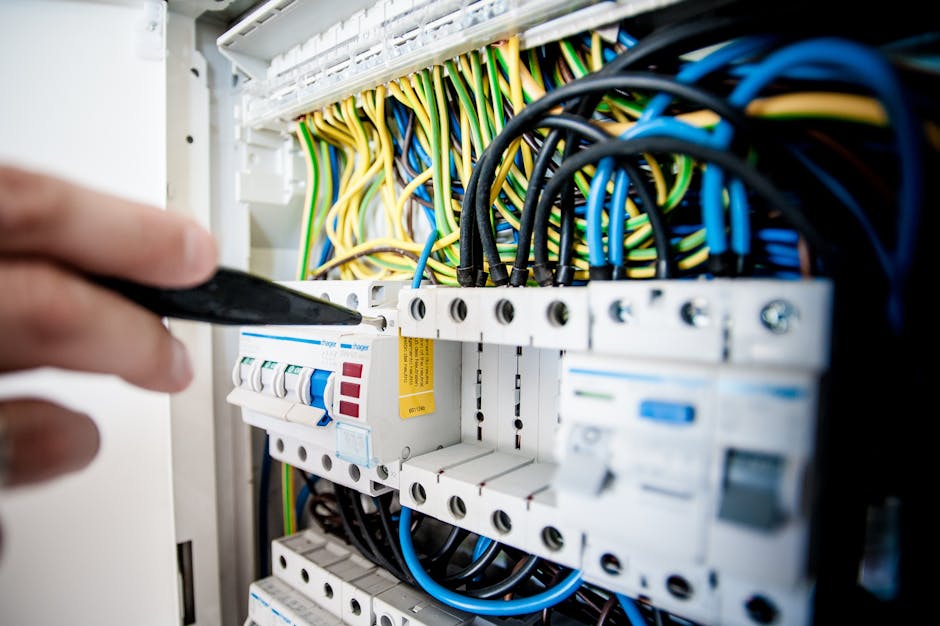
Next, we’ll wrap up with a summary and provide contact information for ISU Armac, so you can get the protection your business needs.
Conclusion
Electrical contractors insurance is not just a legal requirement; it’s a crucial shield for your business. It protects you from financial losses, helps manage risks, and ensures compliance with state laws.
Summary: Electrical contractors face unique risks daily, from on-site accidents to property damage and even cyber threats. Having the right insurance coverage, such as general liability, commercial auto, workers’ compensation, and property insurance, is essential. These coverages protect your business, employees, and clients, ensuring that you can focus on what you do best—providing top-notch electrical services.
Importance of Coverage: Imagine a scenario where an electrical fault causes a house fire, or an employee gets injured on the job. Without insurance, these incidents could lead to significant financial strain, legal battles, and even business closure. Insurance provides peace of mind, knowing that you’re covered against unforeseen events. It allows you to take on projects with confidence, knowing that your business is protected.
ISU Armac: At ISU Armac, we understand the unique challenges and risks that electrical contractors face. Our team specializes in contractor insurance and offers custom policies to fit your specific needs. We shop multiple carriers to find the best coverage at the lowest rates, ensuring you get comprehensive protection without breaking the bank.
Contact Information: Ready to power up your protection? Reach out to us at ISU Armac for personalized insurance solutions that safeguard your business. Visit our Contractor Insurance page to learn more and get started today.
With the right insurance, you can focus on building the future, one project at a time. Let ISU Armac help you find the coverage that fits your needs perfectly.