
Why the Small Business Health Options Program Matters for Your Growing Business
The small business health insurance options program (SHOP) is a government-run marketplace created by the Affordable Care Act that helps small employers with 1-50 full-time equivalent employees offer health and dental coverage to their staff. Here’s what you need to know:
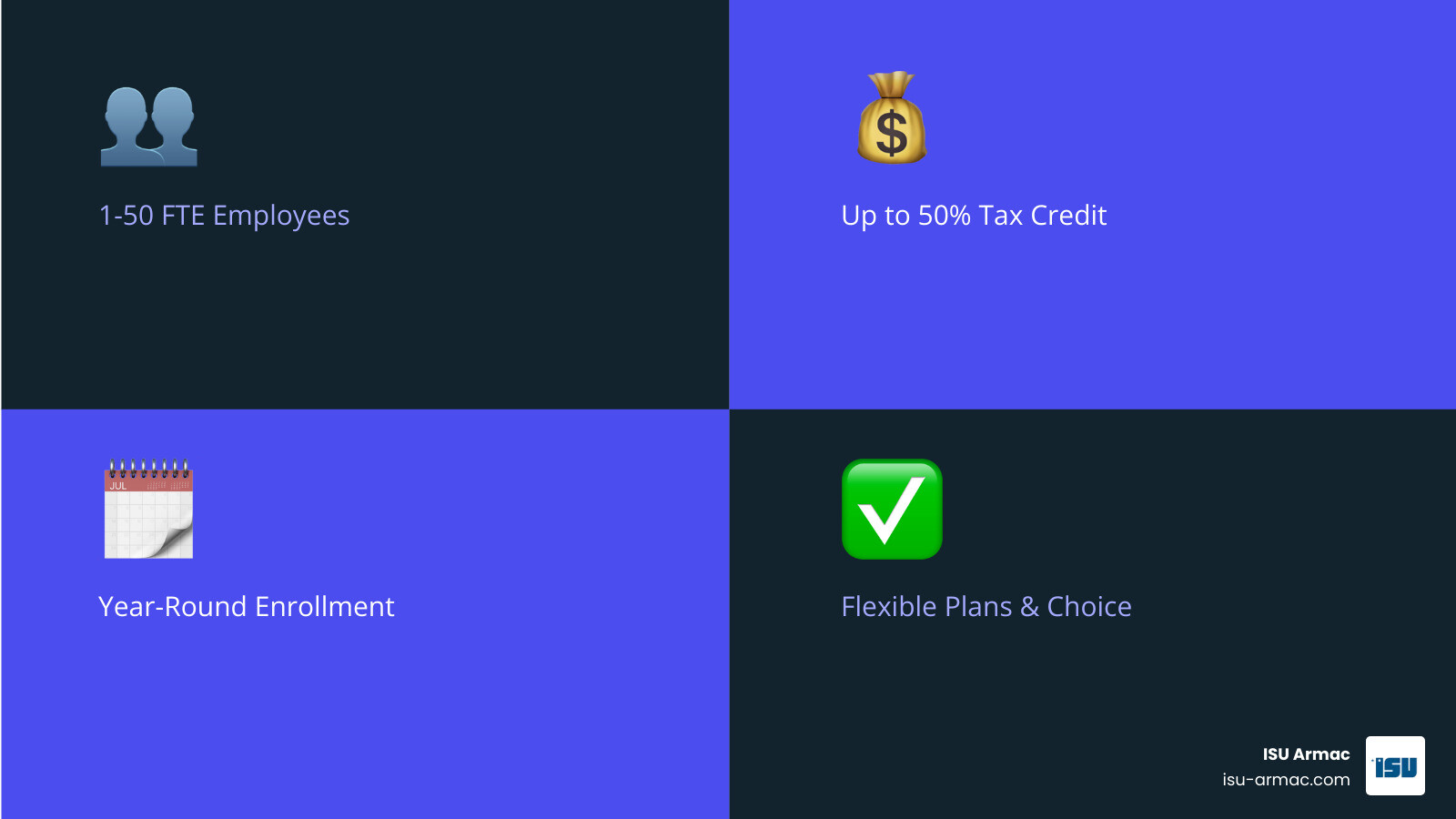
Quick SHOP Overview:
- Eligibility: Generally 1-50 employees (varies by state)
- Tax Credit: Up to 50% of premium costs for qualifying businesses
- Enrollment: Year-round, no waiting for open enrollment
- Plan Control: Choose what coverage to offer and how much to pay
- Employee Choice: Offer one plan or let employees pick from multiple options
If you’re a small business owner in Victorville or anywhere in California, offering health insurance can be a game-changer for attracting and keeping good employees. But navigating the options feels overwhelming. That’s where SHOP comes in—it simplifies the process and potentially saves you money through tax credits.
The program gives you flexibility in how you structure benefits. You control what you offer (health only, dental only, or both) and how much you contribute toward premiums. Your employees get access to quality private insurance plans, and you may qualify for significant tax savings if you have fewer than 25 employees earning an average of about $65,000 or less.
Why this matters now: Employee benefits aren’t just nice to have anymore—they’re essential for competing in today’s job market. Health insurance ranks as one of the top benefits workers look for when choosing employers. For small businesses trying to grow, SHOP levels the playing field against larger companies with bigger HR budgets.
As Ryan McEachron, CEO of ISU Insurance Services ARMAC Agency with decades of experience helping Victorville businesses steer insurance decisions, I’ve guided countless small employers through the small business health insurance options program to find coverage that fits their budget and goals. Let me walk you through everything you need to know to make the right choice for your business.
Small business health insurance options program vocab to learn:
- Group health insurance options
- Health benefits for startups
- can a small business pay for individual health insurance
Understanding the Small Business Health Insurance Options Program (SHOP)
The Small Business Health Options Program (SHOP) is a government-run health insurance marketplace designed for small employers. It simplifies offering quality health and dental coverage, making it more accessible and affordable for businesses like yours.
Through SHOP, employers control the coverage offered and their contribution toward employee premiums. This flexibility lets you tailor a plan to your budget and your employees’ needs. Employees get access to high-quality private health insurance plans, and the program streamlines a complex process, empowering small businesses to offer competitive benefits.
Helping businesses in Apple Valley, Victorville, and across Southern California steer these options is our specialty. We know that offering comprehensive Health Insurance Benefits for Employees can dramatically impact your team’s well-being and your business’s success.
Key Benefits of Offering SHOP Insurance
Offering health insurance through the Small Business Health Options Program comes with several advantages that can significantly boost your business:
- Tax Incentives: A compelling benefit is the potential to qualify for the Small Business Health Care Tax Credit, which can cover up to 50% of your premium costs for qualifying businesses. This can translate into substantial savings.
- Employee Morale and Retention: Providing health coverage shows employees you value their well-being. This can lead to higher job satisfaction, loyalty, and reduced turnover, keeping your most valuable assets happy and productive.
- Competitive Advantage: In a tight labor market, offering health benefits helps your business stand out. It makes you a more attractive employer, enabling you to recruit top talent who might otherwise choose larger companies.
- Access to High-Quality Health Insurance Plans: SHOP offers a selection of private health and dental plans, ensuring employees have comprehensive coverage options. You can offer one plan or give employees a choice from multiple plans.
- Simplified Administration: The SHOP Marketplace simplifies the enrollment process, providing tools and resources to manage your plan. You can work with an agent or broker, like us, to handle the complexities.
The Role of the Affordable Care Act (ACA)
The Affordable Care Act (ACA) created the SHOP Marketplace to assist small businesses. Before the ACA, many small employers struggled to find affordable, comprehensive health insurance options. SHOP was introduced to address this gap, providing a structured marketplace where small businesses could access group health plans.
Under the ACA, the “employer mandate” requires larger businesses—those with 50 or more full-time equivalent (FTE) employees—to offer affordable health coverage or face penalties. For small businesses with fewer than 50 FTEs, there is no federal requirement or penalty if you choose not to offer health insurance. However, offering coverage remains a strategic business decision.
The ACA also introduced standardized plan levels (like Bronze, Silver, Gold, and Platinum), making it easier to compare plans based on their actuarial value. This standardization ensures transparency and a baseline level of benefits. Understanding these ACA implications is crucial for your business’s health coverage strategy. For a deeper dive into the regulatory framework, you can review the initial ACA implications.
Is Your Business Eligible for SHOP Insurance?

Determining your eligibility for the Small Business Health Options Program is the first crucial step. SHOP is designed to serve a specific segment of the business community, and there are a few key requirements your business must meet. We’re here to help businesses in Southern California, from Victorville to Hesperia, understand if they qualify.
The core eligibility criteria revolve around your employee count, your business location, and the participation level of your employees. If you meet these requirements, SHOP can be a powerful tool for providing benefits.
Who Qualifies for the Small Business Health Insurance Options Program?
To qualify for SHOP insurance, your business generally needs to meet the following criteria:
- Employee Count: Your business or non-profit organization must typically have 1 to 50 full-time equivalent (FTE) employees. While some states allow up to 100 employees, in Southern California and most regions, the 1-50 FTE rule applies. You can use an official FTE Employee Calculator to accurately determine your FTE count. It’s important to note that business owners, partners, and their family members generally do not count toward the FTE employee total for eligibility purposes.
- Offering Coverage to All Full-Time Employees: You must offer coverage to all your full-time employees, which are generally defined as those working 30 or more hours per week on average. This ensures equitable access to benefits within your qualifying workforce.
- Location Requirements: Your business must have an office or employee work site within the state where you purchase the SHOP plan. For our clients in Victorville, Apple Valley, Oak Hills, and Hesperia, this means purchasing plans available through the California SHOP Marketplace.
Understanding Participation and Enrollment Periods
Beyond the basic eligibility, there are specific rules regarding employee participation and when you can enroll:
- Minimum Participation Rate (MPR): In many states, including California, there’s a minimum participation rate (MPR) required for your business to participate in SHOP. This typically means that at least 70% of the employees you offer coverage to must accept the offer or be covered by another form of coverage. However, there’s a special enrollment period each year (typically November 15 to December 15) when employers can enroll without meeting this MPR requirement. This can be a valuable window for businesses struggling to meet the 70% threshold. You can use a Minimum Participation Rate (MPR) Calculator to assess your situation.
- Year-Round Enrollment: Unlike the individual health insurance marketplace, which has specific open enrollment periods, small businesses can generally enroll in SHOP coverage at any time of the year. This flexibility means you don’t have to wait for a specific window to start offering benefits to your team. Once you enroll, coverage typically begins on the first day of the following month, provided you complete enrollment by the 15th of the current month.
- Waiting Periods for New Employees: For new employees hired after your initial SHOP enrollment, you can set a waiting period before their coverage begins. However, this waiting period cannot exceed 90 days, as mandated by the ACA.
Exploring Your Health Plan Choices
One of the great advantages of the Small Business Health Options Program is the variety of health insurance plan types available. This diversity allows you to select options that best suit your employees’ needs and your budget. Understanding the different structures is key to making an informed decision. We help our clients in Southern California steer these choices to find the best fit for their team. For a broader look at available plans, explore our Small Business Insurance Plans page.
Here’s a breakdown of the common types of health plans you might encounter:
- Health Maintenance Organization (HMO): HMOs typically have lower premiums and out-of-pocket costs but offer less flexibility. You usually need to choose a primary care provider (PCP) within the plan’s network, and referrals are often required to see specialists. Out-of-network care is generally not covered, except in emergencies.
- Preferred Provider Organization (PPO): PPO plans offer more flexibility than HMOs. You typically don’t need a PCP or a referral to see a specialist, and you can usually see out-of-network providers, though at a higher cost. PPOs generally have higher premiums and sometimes higher deductibles than HMOs.
- High-Deductible Health Plan (HDHP): HDHPs feature lower monthly premiums but higher deductibles. These plans are often paired with a Health Savings Account (HSA), allowing employees to save money tax-free for medical expenses. Once the deductible is met, the plan typically covers a high percentage of costs.
- Point of Service (POS): POS plans combine features of both HMOs and PPOs. You may choose a PCP within the network, and referrals are often needed for specialists. You can typically go out-of-network for care, but you’ll pay more.
- Exclusive Provider Organization (EPO): EPOs are similar to PPOs in that you don’t need a PCP or specialist referrals. However, like HMOs, they generally won’t cover care outside of their network, except in emergencies.
Offering Health, Dental, or Both
The small business health insurance options program offers significant flexibility in how you structure your benefits package. You, as the employer, have the choice to offer:
- Health-only coverage: Focus solely on medical benefits.
- Dental-only coverage: Provide dental benefits as a standalone option.
- Both health and dental coverage: Offer a comprehensive package that includes both.
Beyond this, SHOP also provides flexibility in how your employees choose their plans. You can opt for a “defined contribution” model, where you contribute a set amount toward premiums, and employees can choose from a selection of plans at different price points. Or, you can select one specific plan for all employees. You also have the choice of whether to offer coverage to dependents, allowing you to further tailor your benefits to your team’s needs and your budget. This level of customization is invaluable for businesses looking for Medical Insurance Options for Small Business that truly fit.
Managing Costs: The SHOP Tax Credit and Other Strategies
One of the biggest concerns for small businesses considering offering health insurance is the cost. Fortunately, the Small Business Health Options Program offers significant financial incentives, particularly the Small Business Health Care Tax Credit, which can help offset premium costs. Understanding these financial levers is crucial for making group health insurance affordable and sustainable for your business in Southern California. For a deeper dive into how costs are structured, check out our Small Business Health Insurance Rates Guide.
Qualifying for the Small Business Health Care Tax Credit
The Small Business Health Care Tax Credit is a powerful incentive designed to help eligible small employers afford health insurance for their employees. To qualify, your business must meet specific criteria:
- Fewer than 25 FTEs: You must have fewer than 25 full-time equivalent (FTE) employees. Owners and family members typically don’t count towards this number.
- Average Employee Salary: Your employees must have an average annual salary of about $65,000 or less. This figure can be adjusted for inflation, so it’s good to check the most current IRS guidance.
- Employer Premium Contribution: You must pay at least 50% of your employees’ premium costs.
- Enrollment through SHOP: Generally, enrolling through the small business health insurance options program is the only way to take advantage of this tax credit.
If you meet these qualifications, you could receive a tax credit worth up to 50% of your premium costs (or up to 35% for tax-exempt non-profit employers). This credit significantly reduces your out-of-pocket expenses for providing health benefits. You can use the official Small Business Health Care Tax Credit Estimator to get an idea of how much your business could save.
How to Lower Your Overall Health Insurance Costs
Beyond the tax credit, there are several strategies we help our Southern California clients employ to manage and lower their overall health insurance costs:
- Strategic Plan Selection: Opting for plans like High-Deductible Health Plans (HDHPs) often comes with lower monthly premiums. When paired with Health Savings Accounts (HSAs), these plans can also offer tax advantages for employees, encouraging them to be more mindful of healthcare spending.
- Adjusting Employer Contribution: You have flexibility in determining how much you contribute to employee premiums. While a 50% contribution is required for the tax credit, you can adjust this percentage based on your budget and employee needs.
- Wellness Programs: Implementing wellness programs can encourage healthier lifestyles among employees, potentially leading to fewer claims and, over time, lower premiums. Healthier employees are also more productive.
- Shopping Multiple Carriers: This is where working with an independent agency like ISU Armac truly shines. We shop multiple insurance carriers to find the most competitive rates and plans that meet your specific needs. This ensures you’re not overpaying for coverage. Our role as an Employee Benefits Consulting Firm is to find the best value for you.
How to Enroll and Compare Plans
Navigating the enrollment process for the Small Business Health Options Program might seem complex, but with the right guidance, it’s straightforward. Small businesses have a couple of primary avenues for enrollment and plan comparison, ensuring you find the best fit for your team in Southern California. We’re here to simplify this for you, helping you understand How to Get Health Insurance for My Small Business.
You can either work directly with an insurance company that offers SHOP plans or, more commonly and often more beneficially, use the expertise of a SHOP-registered agent or broker. Working with a broker like us means you have an advocate who can help you compare various options, understand the fine print, and streamline the application process.
A Step-by-Step Guide to Enrolling in SHOP
Here’s a simplified guide to enrolling your business in the Small Business Health Options Program:
- Verify Eligibility: Use the tools available to confirm your business meets the FTE, location, and participation rate requirements for SHOP. This is the foundational step.
- Find an Agent or Broker: While you can enroll directly, a SHOP-registered agent or broker can be an invaluable resource. They understand the nuances of the plans, can help you compare options, and assist with the application process. You can use the official tool to Find an agent or broker in your area.
- Compare Plans and Prices: With your eligibility confirmed and perhaps with the help of an agent, you’ll browse the available plans. The SHOP Marketplace allows you to See Plans and Prices based on your business’s specifics, employee demographics, and location.
- Choose Coverage and Contribution: Decide which plans you want to offer (health, dental, or both), whether you’ll offer dependent coverage, and how much you’ll contribute to employee premiums.
- Complete Employee Applications: Once your choices are made, your employees will complete their applications for the chosen plans.
Resources and Tools to Help You Choose
The SHOP Marketplace provides several useful resources and tools to assist you throughout this process:
- Eligibility Determination Forms: These forms help you formally determine if your business is eligible for SHOP. You can access the SHOP Eligibility Determination Form online.
- Local Help Finders: These tools connect you with local experts, including agents and brokers, who can offer personalized assistance.
- Calculators: As mentioned, the FTE Employee Calculator, Small Business Health Care Tax Credit Estimator, and Minimum Participation Rate (MPR) Calculator are essential for understanding your eligibility and potential savings.
- Plan Brochures and Information: Detailed information about each plan’s benefits, costs, and network is available, allowing for thorough comparison.
We also encourage you to visit our Small Business Health Exchange for more localized resources and expert guidance custom to businesses in Southern California.
SHOP and Other Health Insurance Solutions for Small Businesses
While the Small Business Health Options Program is an excellent option for many small businesses, it’s not the only path to providing employee health benefits. It’s crucial to understand how SHOP compares to other solutions, especially as the landscape of health benefits evolves.
One significant alternative to traditional group health plans offered through SHOP or directly from carriers are Health Reimbursement Arrangements (HRAs). These include Individual Coverage HRAs (ICHRAs) and Qualified Small Employer Health Reimbursement Arrangements (QSEHRAs). These options allow employers to contribute tax-free money to help employees pay for healthcare costs, often including individual health insurance premiums.
Additionally, some small businesses explore Association Health Plans for Small Business. These plans allow multiple small employers to band together, often through a common industry association, to purchase health insurance as if they were a single large employer. This can sometimes lead to lower costs and more comprehensive benefits due to greater purchasing power. Each of these options has its own set of rules, benefits, and administrative complexities.
Understanding Flexible Health Plan Options
The rise of flexible health plan options like HRAs provides another layer of choice for small businesses. These arrangements offer a different approach to employer-sponsored health benefits:
- Tax-Advantaged Funds: With HRAs, employers can contribute pre-tax dollars to employee accounts, which employees can then use for qualified medical expenses, including individual health insurance premiums in the case of ICHRAs and QSEHRAs. This offers tax advantages for both the employer and the employee.
- Employer Contribution Strategies: HRAs allow employers to define their contribution level, providing predictability in budgeting for health benefits. Unlike traditional group plans where premiums can fluctuate, HRA contributions can be set amounts.
- Employee Flexibility: Employees often gain more control over their healthcare choices. Instead of being limited to a few group plans, they can choose individual health insurance plans that best fit their personal and family needs through the marketplace, and then use HRA funds to cover premiums or out-of-pocket costs.
- Administrative Considerations: While offering more flexibility, HRAs do come with their own administrative requirements, including compliance with IRS regulations and ACA rules. However, many third-party administrators specialize in managing HRAs, simplifying the process for small businesses.
The choice between SHOP, traditional group plans, HRAs, or even Association Health Plans depends on your business’s size, budget, employee demographics, and desired level of administrative involvement. We work with you to weigh these factors and find the optimal solution.
Frequently Asked Questions about the Small Business Health Options Program
We often encounter common questions from small business owners in Southern California about the Small Business Health Options Program and small business health insurance in general. Here are some of the most frequent inquiries:
Do I have to offer health insurance if I have fewer than 50 employees?
No, if your business has fewer than 50 full-time equivalent (FTE) employees, the Affordable Care Act (ACA) does not mandate that you provide health insurance. Consequently, there is no federal penalty if you choose not to offer coverage. However, as we’ve discussed, offering health insurance through a program like SHOP provides significant benefits, including attracting and retaining talent, improving employee morale, and potentially qualifying for tax credits. It’s a strategic business decision, not a legal requirement for small employers.
What if I’m self-employed with no employees?
If you are self-employed and do not have any employees (meaning you’re a sole proprietor), you are not eligible to purchase insurance through the Small Business Health Options Program. SHOP is specifically designed for employers with at least one non-owner employee. In this situation, you would typically seek individual coverage through the Health Insurance Marketplace for individuals and families. This marketplace offers a range of individual plans, and you may qualify for subsidies based on your income to help make coverage more affordable.
Can I enroll in SHOP at any time?
Yes, one of the key advantages of the Small Business Health Options Program is its flexibility regarding enrollment periods. Unlike the individual health insurance marketplace, which has a specific annual Open Enrollment Period, eligible small businesses can enroll in SHOP coverage at any point during the year. This means you don’t have to wait for a particular time to start offering health benefits to your employees. If you decide to offer coverage, you can typically begin the process whenever it suits your business needs, and coverage can start as early as the first day of the following month if you complete enrollment by the 15th of the current month.
Conclusion: Empower Your Business with the Right Health Plan
Navigating employee health benefits can be complex, but with programs like the Small Business Health Options Program and expert guidance, it doesn’t have to be overwhelming. We’ve explored how SHOP provides a structured, flexible, and potentially cost-effective way for small businesses in Southern California to offer valuable health and dental insurance to their employees. From understanding eligibility and diverse plan types to leveraging significant tax credits and other cost-saving strategies, SHOP empowers you to make informed decisions that benefit both your business and your team.
Offering comprehensive employee benefits is no longer just an option; it’s a strategic imperative for attracting and retaining top talent, boosting morale, and fostering a productive work environment. Whether you’re in Victorville, Apple Valley, or Hesperia, your ability to provide quality health coverage can significantly impact your business’s growth and stability.
At ISU Armac, we pride ourselves on being your trusted partner in this journey. Our unique selling proposition is our ability to shop multiple carriers, ensuring we find the best coverage at the lowest rates custom to your specific needs. We simplify the complexities, allowing you to focus on what you do best – running your business.
Ready to take the next step in empowering your business with the right health plan? Don’t hesitate to reach out. Let us help you explore your options and find a solution that aligns with your goals. Get a quote for small business medical insurance today and find the difference expert guidance can make.