
Navigating Health Insurance Options For Your Business
Health insurance for small business is a critical component of any comprehensive employee benefits package. For small business owners seeking to attract and retain top talent while controlling costs, here are the essential options to consider:
- Group Health Insurance: Traditional employer-sponsored coverage for businesses with 1-50 full-time equivalent employees
- SHOP Marketplace Plans: Government-facilitated plans with potential tax credits for eligible small businesses
- Health Reimbursement Arrangements (HRAs): Employer-funded accounts that reimburse employees for qualified medical expenses
- Level-Funded Plans: Hybrid options combining self-funding benefits with traditional insurance protections
Small business owners can purchase health insurance coverage at any time of year (unlike individual plans that require special enrollment periods). Most states require employers to contribute at least 50% toward employee premiums, and businesses with fewer than 25 employees earning average wages under $56,000 may qualify for substantial tax credits.
Finding the right health insurance for small business doesn’t have to be overwhelming. As a small business owner myself, I understand the challenges you face in balancing comprehensive coverage with budget constraints. I’m Ryan McEachron, CEO of ISU Insurance Services ARMAC Agency in Victorville, with over two decades of experience helping local businesses steer health insurance for small business options that protect both their employees and bottom line.
Understanding Health Insurance for Small Business: Eligibility & Basics

When I sit down with small business owners here in Victorville, I often see that same worried look – they want to offer health benefits but feel overwhelmed by the complexity. Let me break it down in simple terms, just as I would across my desk.
Small group health insurance covers businesses with 1-50 full-time equivalent (FTE) employees. Calculating your FTE count is straightforward: add all employees working 30+ hours weekly, plus the equivalent of your part-time workers (their total hours divided by 30). This number is your key that open ups which options and tax benefits are available to your business.
One of the best parts about health insurance for small business is the “guaranteed issue” protection. Unlike what many business owners fear, insurance carriers cannot deny your group coverage because of your employees’ health conditions or medical history. This protection gives peace of mind to both you and your team.
What qualifies as “health insurance for small business”?
Not all health plans are created equal. To qualify as legitimate health insurance for small business, your plan must meet ACA requirements. This means covering all ten essential health benefits – everything from hospital stays to prescription medications. Your employees will appreciate that preventive care is covered 100% with no out-of-pocket costs.
The plan can’t impose annual or lifetime limits on essential benefits, and nobody can be excluded because of pre-existing conditions. Premiums are based on community rating rather than individual health status.
As Sarah, who runs a small bakery downtown, told me last week: “I was worried my employee with diabetes would make our rates skyrocket, but that’s not how it works anymore. Everyone gets the same fair shot at coverage.”
Who is eligible to purchase health insurance for small business plans?
To qualify for small business health insurance, you need three basic things:
First, you must have at least one W-2 employee who isn’t an owner, spouse, or family member. Second, your business needs between 1-50 full-time equivalent employees (in most states). And third, you’ll need to meet minimum participation requirements, which typically means about 70% of eligible employees must enroll.
Unlike individual health insurance with its limited enrollment windows, your business can start group health coverage any month of the year. This flexibility means you can implement benefits when it makes the most sense for your company’s timeline and budget.
Most carriers do require a waiting period before new employees become eligible, though ACA regulations cap this at a maximum of 90 days. Many of our clients at ISU Armac find that a 30-day waiting period strikes the right balance between immediate value for new hires and administrative simplicity.
How does group coverage differ from individual policies?
The differences between group and individual coverage create significant advantages for both employers and employees.
With health insurance for small business, premiums reflect your entire group’s collective risk rather than singling out individuals based on their health status. Employers typically contribute at least 50% toward employee premiums, creating an attractive benefit that’s often the difference between keeping or losing great talent.
Both your contributions as an employer and your employees’ premium payments enjoy tax advantages, being made with pre-tax dollars. This creates real savings for everyone involved.
Employees appreciate the simplified choices of selecting from pre-chosen plan options rather than navigating the entire marketplace alone. Many plans use composite rating, where all employees pay the same rate regardless of age (though age-banded rates are also common).
Miguel, who manages a local auto repair shop, shared: “When we finally offered group coverage, my senior technician canceled his plans to work for a larger competitor. He told me the health benefits made staying with us a no-brainer, especially since his wife has some health concerns.”
At ISU Armac, we’ve guided hundreds of Victorville businesses through these fundamentals, helping them understand not just what’s required, but what makes the most sense for their unique situation. The right health insurance for small business solution should feel like it was designed specifically for your company’s needs.
Comparing Plan Types: HMO, PPO, POS & High-Deductible Options

When it comes to health insurance for small business, the alphabet soup of plan options can feel overwhelming. But don’t worry – I’m here to help you understand the key differences so you can choose what works best for your team and budget.
Each plan type offers a unique balance of provider flexibility, cost structure, and administrative requirements. Let’s break them down in simple terms:
| Plan Type | Network Flexibility | Primary Care Requirement | Referral Needed | Typical Premium Cost | Out-of-Pocket Costs |
|---|---|---|---|---|---|
| HMO | Limited to network | Yes – PCP required | Yes | Lowest | Lower copays |
| PPO | Broad network + out-of-network coverage | No PCP required | No | Highest | Moderate deductibles |
| POS | In-network focus with some out-of-network coverage | Yes – PCP required | Yes for specialists | Medium | Medium copays and deductibles |
| HDHP | Varies by carrier | Usually no | Usually no | Lower premiums | Highest deductibles |
HMO Plans for Tight Budgets
If keeping costs down is your top priority, Health Maintenance Organization (HMO) plans might be your best bet. These plans create savings through a more structured approach to care.
With an HMO, your employees will select a primary care physician (PCP) who serves as their healthcare “home base.” Need to see a specialist? They’ll need a referral from their PCP first. Care is typically limited to in-network providers only, except in true emergencies.
Maria, who runs a small bakery in Hesperia, shared her experience with me: “As a startup with thin margins, the HMO option allowed us to offer health benefits we couldn’t otherwise afford. My employees appreciate having coverage, even with the network limitations.”
The upside? HMOs typically have the lowest premiums and predictable copays instead of percentage-based coinsurance. Plus, there’s minimal paperwork for your team since the network handles most of the administrative details.
PPO Flexibility for Growing Teams
As your business grows, flexibility often becomes more important. Preferred Provider Organization (PPO) plans cost more but provide significantly more freedom for your employees.
With a PPO, your team can see any doctor they want – no referrals needed. While they’ll save money by staying in-network, they’ll still have coverage if they choose to go outside the network. This flexibility is particularly valuable for businesses with employees who travel frequently or live in different regions.
“When we expanded to multiple locations across Southern California,” Carlos, a construction company owner told me, “switching to a PPO made sense because our teams needed access to care in different areas. The premium increase was offset by improved employee satisfaction and retention.”
PPOs typically feature higher premiums but give your employees the maximum choice in healthcare providers. For growing businesses focused on recruitment and retention, this flexibility can be worth the additional cost.
POS—A Hybrid Middle Ground
Looking for something between an HMO and PPO? Point of Service (POS) plans offer an appealing middle ground.
These hybrid plans require members to choose a primary care physician who coordinates their care (like an HMO), but they also offer some coverage for out-of-network services (like a PPO). Your employees will still need referrals for specialists, but they’ll have more options if they need to seek care outside the network.
POS plans typically have premiums that fall between HMOs and PPOs, making them a good option for businesses wanting to balance cost control with provider choice. They’re particularly popular with small businesses that want to offer some flexibility without the full price tag of a PPO.
High-Deductible Plans & HSAs
For a different approach to controlling costs while still providing valuable coverage, consider a High-Deductible Health Plan (HDHP) paired with Health Savings Accounts (HSAs).
These plans feature lower monthly premiums but higher deductibles – in 2023, the minimum deductibles were $1,500 for individual coverage and $3,000 for family coverage. The key benefit is the ability to pair them with tax-advantaged HSAs, which offer a triple tax advantage: tax-deductible contributions, tax-free growth, and tax-free withdrawals for qualified medical expenses.
Jennifer, who runs a tech startup in Apple Valley, explained her strategy: “We implemented an HDHP with an HSA contribution program. Our younger workforce appreciates the lower premiums, and we contribute $1,000 annually to each employee’s HSA to help offset the higher deductible. It’s been a win-win for controlling costs while still providing valuable coverage.”
Many small businesses find that contributing to employee HSAs costs less than paying for higher premiums while still providing a benefit employees value. Plus, employees can take their HSA funds with them if they change jobs, creating a portable health savings vehicle they truly appreciate.
Choosing the right plan types to offer your team doesn’t have to be overwhelming. At ISU Armac, we’re experts at helping small businesses find the perfect balance of coverage, flexibility, and affordability for their unique situations. Whether you’re leaning toward the cost savings of an HMO or the flexibility of a PPO, we’ll help you steer the options.
Funding & Compliance Solutions: SHOP, HRAs & ICHRAs

When it comes to health insurance for small business, there’s more than one way to fund your employees’ coverage. Beyond traditional group plans, several innovative options can provide flexibility, potential tax advantages, and solutions custom to your company’s unique needs.
Navigating the Small Business Health Options Program (SHOP)
The Small Business Health Options Program (SHOP) was created specifically with small employers in mind. Think of it as your dedicated marketplace for finding ACA-compliant coverage without the headaches.
“The SHOP marketplace simplified our plan selection process,” Michael from Oak Hills told me recently. “Working with our broker at ISU Armac, we found a plan that met our needs while qualifying for tax credits that saved us nearly 35% on our premium costs.”
What makes SHOP attractive for many of my clients is its flexibility. Unlike individual health insurance with its limited enrollment windows, SHOP allows you to enroll your business year-round. Plus, if you have between 1-50 full-time equivalent employees, you might qualify for the Small Business Health Care Tax Credit – a significant financial boost that can reduce your premium costs by up to 50%.
Getting started with SHOP is straightforward. You’ll calculate your FTE count, work with a SHOP-registered broker (that’s where we come in!), choose your coverage options and contribution level (minimum 50%), set a waiting period for new hires, and then notify your team about their new benefits. For more details, check out the SHOP health insurance overview on Healthcare.gov.
Leveraging Health Reimbursement Arrangements (HRAs)
For some of my small business clients, traditional group health plans don’t always fit their unique situations. That’s where Health Reimbursement Arrangements shine as flexible alternatives.
The Qualified Small Employer HRA (QSEHRA) works beautifully for businesses with fewer than 50 FTEs that don’t offer group health insurance. In 2023, you can contribute up to $5,850 for self-only coverage or $11,800 for family coverage. These funds reimburse employees tax-free for qualified medical expenses, including their individual health insurance premiums.
Sarah, who owns a marketing agency with employees scattered across Southern California, found another solution: “After exploring traditional group plans, we implemented an Individual Coverage HRA (ICHRA) for our distributed team. It allows our team members to choose plans that work best for their individual needs while giving us predictable costs and simpler administration.”
The ICHRA offers even more flexibility with no contribution limits and the ability to offer different benefits to different classes of employees. The main requirement is that participating employees must purchase individual health insurance.
Both options let you control costs while still providing valuable benefits. And your employees might appreciate the freedom to choose coverage that perfectly fits their personal situations. Learn more about these options on Healthcare.gov’s small business section.
Compliance Checkpoints to Avoid Penalties
I’ve seen too many small business owners get tripped up by overlooking important compliance requirements. Let me walk you through the essentials to keep your health insurance for small business program penalty-free.
First, ERISA compliance requires proper documentation including plan documents, summary plan descriptions, and annual reporting. Don’t let these paperwork requirements catch you off guard.
COBRA and mini-COBRA rules may apply depending on your company size. If you have 20+ employees, federal COBRA regulations require you to offer continuation coverage to departing employees. Smaller businesses may still be subject to state “mini-COBRA” laws with similar requirements.
If you allow employees to pay their portion of premiums with pre-tax dollars (and you should!), you’ll need a Section 125 plan in place. This simple document creates significant tax savings for both you and your staff.
Depending on your company size, ACA reporting may require filing annual 1094/1095 forms. And don’t forget various notice requirements including the Summary of Benefits and Coverage (SBC) that must be provided to all plan participants.
“Compliance might seem overwhelming, but working with ISU Armac simplified everything,” shared Robert, who owns a manufacturing business in Victorville. “They provided all the required notices, helped set up our Section 125 plan, and ensured we met all filing deadlines.”
The good news? You don’t have to steer this complex landscape alone. As your local insurance partner, we handle these compliance details so you can focus on running your business instead of becoming an insurance expert. That’s the peace of mind our clients value most when setting up their health insurance for small business programs.
Budgeting the Benefits: Costs, Tax Credits & Savings Strategies

Let’s talk money – because I know that’s what keeps many small business owners up at night when considering employee benefits. I’ve sat across from hundreds of entrepreneurs just like you, watching the same worried expression when we first discuss health insurance for small business costs. But here’s the good news: with smart planning, tax advantages, and the right strategies, providing quality coverage can be more affordable than you might think.
Average Cost Breakdown per Employee
When clients ask me about costs, I always start with, “It depends” – which I know isn’t the answer anyone wants to hear! But the truth is, health insurance for small business varies dramatically based on several key factors.
Here in Southern California, most small businesses can expect to pay between $450-$850 per employee monthly. Our local data shows the average small business plan covers about 5 people for approximately $1,432 per month total, or roughly $286 per person. But your actual costs will depend on your unique situation.
Your location within California matters significantly – premiums in San Bernardino County often differ from those in Los Angeles or Orange County. The age of your workforce dramatically impacts rates too – a team of mostly 20-somethings will cost substantially less to insure than a group of employees in their 50s.
Most carriers require employers to contribute at least 50% toward employee premiums, though many of our clients choose to cover 70-80% to improve their benefits package. Dependent coverage contributions are optional but can be a powerful recruitment tool.
As David, a restaurant owner in Victorville, told me recently: “When I first looked at the premium costs, I nearly fell out of my chair! But once we factored in the tax benefits and calculated the cost of constantly replacing staff who left for jobs with benefits, the math started making much more sense.”
Opening up the Small Business Health Care Tax Credit
This is the hidden gem that many small business owners miss! The Small Business Health Care Tax Credit can dramatically reduce your health insurance for small business expenses if you qualify.
To be eligible, you need fewer than 25 full-time equivalent employees with average annual wages under $56,000. You must pay at least 50% of employee premium costs and purchase coverage through the SHOP Marketplace. If you meet these criteria, you could receive a credit of up to 50% of your premium contributions (35% for tax-exempt employers) for two consecutive tax years.
The savings can be substantial. Jennifer, who owns a boutique in Apple Valley with 8 employees, shared: “The tax credit essentially cut our first-year premium costs in half. That made all the difference in our ability to offer coverage while still growing our business.”
To claim this credit, you’ll use IRS Form 8941 when filing your business taxes. Our team at ISU Armac can help determine if you qualify and guide you through the process – we’ve helped dozens of local businesses secure this valuable credit.
Smart Ways to Control Rising Costs
Beyond tax credits, I’ve helped many small business owners implement creative strategies to manage their health insurance for small business expenses without sacrificing quality.
Level-funded plans have become increasingly popular among our healthier groups. These hybrid arrangements combine self-funding elements with stop-loss protection, often saving 15-30% compared to traditional fully-insured plans. They work especially well for groups with generally healthy employees.
Wellness programs aren’t just feel-good benefits – they deliver real cost savings. Many carriers offer premium discounts for implementing structured wellness initiatives. One of our manufacturing clients in Hesperia saw claims decrease by 18% after introducing a simple walking challenge and healthy lunch program.
Pharmacy benefit management is another crucial area for cost control. Plans with integrated pharmacy benefits can leverage rebates and step therapy programs to manage rising prescription costs. For businesses with employees on multiple maintenance medications, these savings can be substantial.
Some of our clients have found success with a defined contribution approach – setting a fixed dollar amount rather than a percentage of premium. This makes budgeting more predictable as rates increase over time. For example, contributing $400 per employee monthly rather than 75% of premium costs.
Narrow network options limit providers to specific high-value networks but typically cost 10-15% less than broader network alternatives. For many small businesses, especially those with employees concentrated in a specific geographic area, these plans offer excellent value.
As Michael, one of our manufacturing clients, recently told me: “By switching to a level-funded plan and implementing a basic wellness program, we saved over $600 monthly while keeping comparable benefits. Our team hardly noticed any difference in coverage, but our bottom line certainly did!”
According to scientific research on premium trends, small businesses that implement multiple cost-control strategies can effectively keep premium increases below market averages. For more detailed information on controlling costs, check out our guide on Understanding Small Business Health Insurance Costs.
The cheapest plan isn’t always the most cost-effective in the long run. Finding that sweet spot between affordability and quality coverage is where working with an experienced broker like ISU Armac can make all the difference for your business and employees.
Choosing & Managing Your Plan Like a Pro

Selecting the right health insurance for small business isn’t just about finding the lowest premium – it’s about creating a benefits strategy that works for both your budget and your team. Let me walk you through how to approach this process like the savvy business owner you are.
Step-by-Step Enrollment Timeline
Think of implementing health insurance like launching a new product – it requires planning and a clear timeline. Start your process about 8-10 weeks before you want coverage to begin with a thorough needs assessment. This is when you’ll determine your budget, gather input from employees, and decide how much you’ll contribute toward premiums.
“I was worried the process would be overwhelming,” shares Jennifer, a law firm owner in Victorville. “But breaking it into steps made it manageable, and ISU Armac handled the carrier negotiations while I focused on running my business.”
About 6-8 weeks out, you’ll gather quotes by submitting your employee census data (names, ages, dependent information) to carriers. This is where working with a broker like us really shines – we’ll collect proposals from multiple insurers to ensure you’re seeing the full marketplace.
The plan selection phase comes next, around 4-5 weeks before your effective date. You’ll finalize your plan design, complete employer applications, and schedule time to introduce the benefit to your team. Those employee enrollment meetings typically happen 2-3 weeks before coverage begins, giving everyone time to review their options and submit their elections.
One week before your effective date, you’ll be in implementation mode – distributing insurance cards, setting up premium payments, and establishing procedures for adding new employees after their waiting period. With proper planning, this day should feel like a celebration, not a scramble!
Ongoing Administration & Compliance Tasks
Once your plan is up and running, there’s still some regular maintenance required – think of it like caring for a company vehicle. You’ll need to reconcile your monthly premium statements, especially as employees come and go. Adding new hires to the plan after they complete their waiting period becomes a routine task.
“The employer portal provided by our carrier has been invaluable,” says Robert, who owns a construction company in Hesperia. “We can add new employees, track enrollment status, and access all our plan documents in one place.”
About 2-3 months before each anniversary date, you’ll start the renewal process, reviewing your plan’s performance and exploring options for the coming year. Throughout the year, you’ll need to distribute required notices like Summary of Benefits and Coverage documents, and some employers must complete ACA reporting forms 1094/1095.
COBRA administration is another ongoing responsibility when employees experience qualifying events like termination or reduction in hours. Many small businesses find these administrative tasks manageable with the help of their broker’s services or through user-friendly employer portals provided by insurance carriers.
Supporting Whole-Person Care & Wellness
Today’s most effective health insurance for small business plans go beyond just covering doctor visits – they support employees’ overall wellbeing. Modern plans typically include telehealth services that connect your team with medical professionals virtually, reducing time away from work and often lowering overall healthcare costs.
Employee Assistance Programs (EAPs) offer confidential counseling and work-life resources that help team members steer personal challenges before they impact their health or work performance. Mental health services receive equal coverage thanks to parity laws, ensuring your employees can access behavioral health care when needed.
Digital wellness tools like the Sydney Health app make it easier for employees to engage with their benefits, find in-network providers, and track health goals. Many carriers also offer incentives for preventive care like annual physicals and biometric screenings.
“The telehealth benefit has been unexpectedly popular with our team,” notes Maria, who manages a small accounting firm. “My employees appreciate connecting with a doctor without taking time off, and I’ve noticed fewer sick days overall.”
By approaching your health insurance for small business plan as an investment in your team’s wellbeing rather than just an expense, you’ll create a workplace culture that values health and supports productivity. At ISU Armac, we help small businesses in Victorville and throughout Southern California steer these choices with personalized guidance and ongoing support. Check out our Insurance Center – Group Medical page for more information about our approach to helping businesses like yours.
Beyond Medical: Dental, Vision, Life & Disability Add-Ons
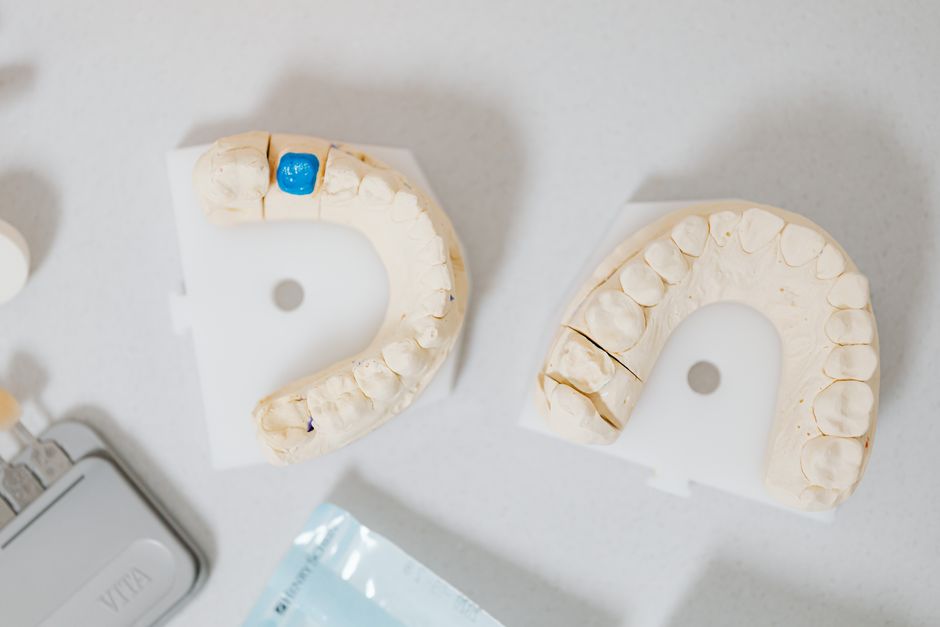
When you’ve tackled the medical insurance piece of your benefits puzzle, you might wonder if that’s enough. The truth is, a well-rounded benefits package often includes those “extras” that can make a big difference in your employees’ lives without breaking your budget.
Why Supplemental Coverage Matters for Retention
I’ve seen it happen time and again with our small business clients – those seemingly small add-on benefits can have a surprisingly powerful impact on keeping your team happy and loyal.
Think about it: while medical coverage handles the big health concerns, it’s often the day-to-day wellness needs that employees notice most. Regular dental cleanings, annual eye exams, and the peace of mind that comes with financial protection aren’t just nice-to-haves – they’re increasingly expected by today’s workforce.
“I was genuinely surprised,” shares Carlos, a small business owner in Oak Hills. “Adding dental and vision coverage cost us less than $50 per employee each month, but it’s consistently mentioned as a favorite benefit during employee reviews. The return on investment in terms of retention has been substantial.”
What makes these supplemental benefits so valuable? For starters, they address health needs that medical insurance typically doesn’t cover. Plus, they help small businesses compete with the comprehensive packages offered by larger companies. Perhaps most importantly, they signal to your team that you care about their complete wellbeing – not just their ability to work when seriously ill.
The preventive focus of dental and vision care often catches health issues before they become serious problems. And the financial security provided by life and disability coverage gives employees peace of mind that extends far beyond the workplace.
Packaging Ancillary Benefits Efficiently
You don’t need a Fortune 500 budget to offer these additional coverages. In fact, there are several smart approaches to make ancillary benefits both affordable and impactful.
Bundled offerings can save you significant money through multi-line discounts (typically 5-10%) when you purchase multiple coverages from one carrier. Beyond the cost savings, you’ll enjoy streamlined administration with a single billing and enrollment platform. Your employees will appreciate the consistent experience across all their benefits too.
Many small businesses find success with voluntary (employee-paid) options. This approach lets you provide access to group rates without direct employer cost. Your team members can choose exactly which coverages matter most to them, and when payments are made through a Section 125 plan, they benefit from pre-tax savings that make the coverage even more affordable.
A middle ground that many of our clients prefer is the contributory hybrid model, where the employer covers a portion of the premium (often 50%) and employees pay the rest. This approach is more affordable than fully employer-paid plans but typically sees higher participation than voluntary-only options.
The most popular ancillary benefits include dental insurance (covering preventive care at 100%, basic services at 80%, and major services at 50%), vision insurance (for annual exams and allowances toward glasses or contacts), group life insurance (typically 1-2x salary with guaranteed issue), and disability coverage (both short-term and long-term) to protect income during periods of inability to work.
Jennifer, who runs a local law firm, found a solution that worked perfectly for her team: “We implemented a bundled approach with Anthem Blue Cross. By combining our medical, dental, and vision with one carrier, we saved about 8% overall and simplified our administration considerably.”
These supplemental coverages can be explored further through carriers like The Standard, which offers excellent life plans and short term disability options specifically designed for small businesses.
Creating a comprehensive benefits package isn’t about checking boxes – it’s about understanding what matters to your specific team and finding creative ways to provide those benefits within your budget. At ISU Armac, we specialize in helping small businesses find that perfect balance between coverage and cost when it comes to health insurance for small business and all the valuable extras that complete your benefits offering.
Frequently Asked Questions About Health Insurance for Small Business
Are small businesses legally required to offer coverage?
No, small businesses with fewer than 50 full-time equivalent employees are not legally mandated to provide health insurance under the Affordable Care Act. There is no penalty for small employers who choose not to offer coverage.
However, businesses with 50 or more FTEs are subject to the employer mandate and may face penalties if they don’t provide affordable, minimum value coverage to full-time employees.
Can sole proprietors buy group health insurance?
Sole proprietors without employees (other than a spouse) typically cannot purchase group health insurance. To qualify for small group coverage, you generally need at least one W-2 employee who isn’t an owner, spouse, or family member.
However, sole proprietors can explore individual marketplace plans, association health plans in some states, or potentially join a Professional Employer Organization (PEO) that offers access to group benefits.
“When I started my business as a solo operation,” recalls David, now a growing business owner in Victorville, “I initially had to use individual coverage. Once I hired my first employee, ISU Armac helped me transition to a small group plan, which offered better coverage at a lower cost.”
How long can new hires wait before benefits begin?
Employers can establish waiting periods before new employees become eligible for health insurance, but the ACA limits this period to a maximum of 90 calendar days.
Common waiting periods include:
– First of the month following date of hire
– First of the month following 30 days of employment
– First of the month following 60 days of employment
Shorter waiting periods can be a competitive advantage for recruitment but may increase administrative work and costs. Your waiting period should be clearly documented in your plan materials and applied consistently to all employees in the same classification.
Conclusion

Finding the right health insurance for small business is a journey that’s worth taking. As we’ve explored throughout this guide, there are numerous options available that can fit your company’s unique needs and budget.
I’ve seen how small business owners breathe a sigh of relief when they finally find health coverage that works for both their team and their bottom line. It’s that moment when protection meets possibility – when you know you’re taking care of the people who help your business thrive.
As a small business owner, you have several advantages in this process. You can enroll in coverage at any time throughout the year – no special enrollment periods to worry about. Whether you have 5 employees or 45, there’s a solution that can work for your team.
The Small Business Health Care Tax Credit is something you definitely don’t want to overlook. If your business has fewer than 25 full-time equivalent employees with average wages under $56,000, you could receive a credit of up to 50% of your premium contributions. That’s real money back in your business.
Many of our clients are surprised to find how affordable coverage can be when they explore all their options – from traditional group plans to more flexible arrangements like HRAs. James, a local hardware store owner, told me recently: “I put this off for years thinking it would break the bank. Now I wish I’d done it sooner.”
At ISU Armac, we’ve spent decades helping small businesses throughout Apple Valley, Victorville, Hesperia, and Oak Hills find the right health insurance solutions. We understand the local market and have relationships with all major carriers, allowing us to shop multiple options to find your best fit.
Our approach is simple: we listen to your needs, explain your options in plain English (not insurance jargon), and guide you through the entire process – from initial quotes to enrollment to ongoing administration. We’re not just here for the sale; we’re your partner year-round.
Whether you’re offering health insurance for small business for the first time or looking to improve your existing benefits package, we’re here to help. We can walk you through the SHOP Marketplace, explain how tax credits work, or show you how adding dental and vision coverage might cost less than you think.
Ready to explore your options? Visit our Small Business Medical Insurance page for more information or give us a call. Your employees deserve quality healthcare, and your business deserves a partner who makes the process simple.
With year-round enrollment available, there’s no wrong time to start providing this valuable benefit. Your team – and your ability to attract and retain talent – will thank you.