
Why Choosing the Right Dental Insurance Carrier Matters

Dental insurance carriers are the companies that underwrite, administer, and manage dental benefit plans for individuals, families, and employer groups. When comparing carriers, you need to evaluate several key factors:
- Plan type: PPO (Preferred Provider Organization) vs. DHMO (Dental Health Maintenance Organization) vs. Indemnity
- Network size: Number of participating dentists in your area
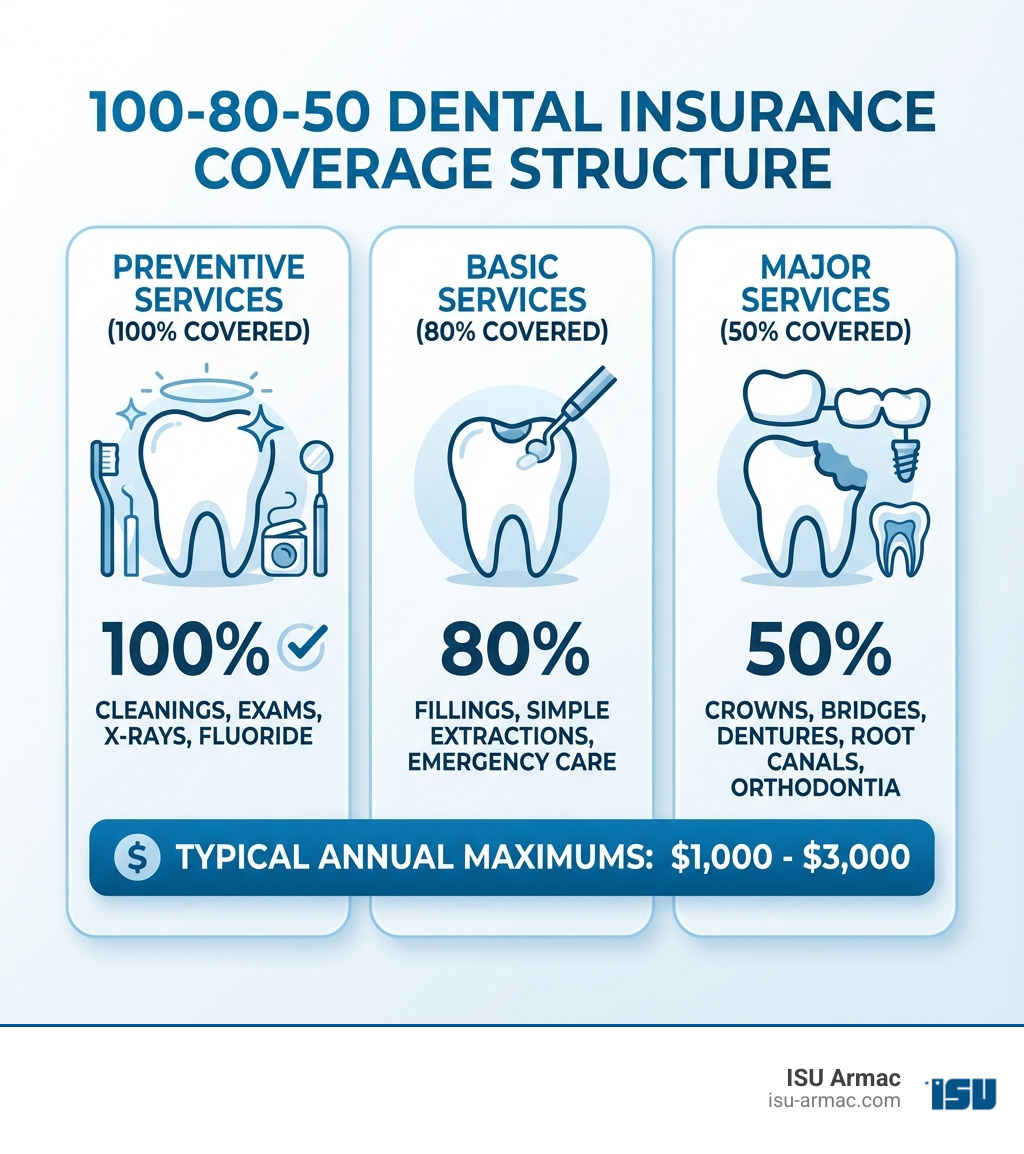
- Coverage structure: Typical plans cover 100% preventive, 80% basic, 50% major services
- Annual maximums: Usually range from $1,000 to $3,000 per year
- Waiting periods: Basic services (6 months), major services (12 months)
- Premium costs: Individual plans average $360/year, family plans $900/year
Your oral health connects directly to your overall wellness. Research shows that regular dental care helps prevent not just cavities and gum disease, but also more serious conditions like cardiovascular disease.
Over 75% of Americans have some form of dental coverage, yet many don’t fully understand what their plan covers or how different carriers compare. The differences between carriers can mean hundreds or even thousands of dollars in out-of-pocket costs, especially for major procedures like implants or orthodontia.
The challenge? Each carrier structures its plans differently. One may offer a larger network of dentists but charge higher premiums. Another might have low monthly costs but impose strict waiting periods or limited coverage for major services.
This article walks you through the essential factors for comparing dental insurance carriers, from understanding plan types (PPO vs. DHMO) to navigating costs, waiting periods, and coverage limitations. You’ll learn what questions to ask and what details matter most when selecting a carrier that fits your budget and dental health needs.
I’m Ryan McEachron, CEO of ISU Insurance Services ARMAC Agency in Victorville, where I’ve helped countless families and individuals steer dental insurance carriers to find affordable, comprehensive coverage. With decades of experience in the insurance industry and deep roots in the High Desert community, I understand the specific challenges local residents face when choosing the right dental plan.
Essential dental insurance carriers terms:
Understanding the Different Types of Dental Insurance Plans
When exploring dental insurance, one of the first things you’ll encounter is the variety of plan types. Each comes with its own set of rules, benefits, and costs, designed to suit different needs and preferences. Understanding these foundational types is crucial for making an informed decision.

We see clients in Apple Valley, Victorville, Hesperia, and Oak Hills often weighing the pros and cons of these options. The choice usually boils down to how much flexibility you want in choosing your dentist versus how much you want to save on premiums and out-of-pocket costs.
PPO (Preferred Provider Organization)
PPO plans are often the most popular choice because they offer a great deal of flexibility. With a PPO, you’re free to choose any licensed dentist, whether they are in the plan’s network or not. However, you’ll typically pay less if you visit a dentist who is “in-network.” These dentists have agreed to provide services at negotiated rates, which translates to lower out-of-pocket costs for you.
Key characteristics of PPO plans:
- Freedom to choose dentists: You’re not restricted to a specific network.
- Larger networks: PPO plans generally boast extensive networks of participating dentists. For example, Delta Dental PPO™ plans are known for offering a wide selection.
- Out-of-network coverage: You can visit any dentist, but your share of the cost (coinsurance) will be higher for out-of-network providers.
- Coinsurance: After meeting your deductible, the plan pays a percentage of the cost, and you pay the rest. This is typically 80% for basic services and 50% for major services.
- Deductibles: You usually need to pay a certain amount out-of-pocket before your plan starts covering costs.
While PPO plans offer excellent flexibility, they often come with higher monthly premiums compared to other plan types.
DHMO (Dental Health Maintenance Organization)
DHMO plans operate differently from PPOs, focusing on cost savings through a more structured approach. With a DHMO, you typically choose a primary care dentist from a specific network. This dentist then manages all your dental care and refers you to specialists within the network if needed.
Key characteristics of DHMO plans:
- Lower premiums: These plans generally have lower monthly costs, making them an attractive option for budget-conscious individuals and families.
- Assigned primary care dentist: You select one dentist from the plan’s network to be your main provider.
- Referrals for specialists: If you need to see a specialist (like an orthodontist or oral surgeon), your primary dentist typically needs to provide a referral.
- Copayments: Instead of deductibles and coinsurance, you usually pay a fixed copayment for each service.
- No deductibles or annual maximums typically: This can be a huge benefit, as you don’t have to worry about hitting a spending cap.
- Limited network: Your choice of dentists is restricted to the plan’s network. DeltaCare® USA plans are a good example of this model, offering predictable costs for services. In California, we see specific DeltaCare USA networks available for individuals and Medicare members.
DHMO plans offer predictable costs and lower premiums, but at the expense of choosing your own dentist freely. For more information about individual plans, you can check out our page on More info about Individual Dental plans.
Key Factors for Comparing Dental Insurance Carriers
Choosing the right dental insurance carrier is a bit like finding the perfect pair of shoes – it needs to fit your unique needs and budget perfectly. When we help our clients in Southern California compare options, we always focus on several critical factors that go beyond just the monthly premium.

How dental insurance carriers handle waiting periods
One of the most common surprises for new dental insurance members is the concept of waiting periods. These are specific lengths of time you must wait after your policy takes effect before you can receive coverage for certain services. It’s the insurance carrier’s way of preventing people from buying a policy just to cover an immediate, expensive procedure and then canceling it.
- Basic services waiting period: For procedures like fillings or simple extractions, waiting periods are typically around six months.
- Major services waiting period: For more complex procedures such as crowns, bridges, or dentures, waiting periods often extend to 12 months, and sometimes even longer.
- Preventive care: Most plans cover preventive services like cleanings and exams immediately, without a waiting period. This is a great perk, as it encourages regular check-ups.
Good news! Waiting periods can sometimes be waived. If you can provide proof of prior dental coverage for 12 months or more (including coverage for major services) and there hasn’t been a gap of more than 63 days between your old and new plans, your new carrier might waive the waiting period. However, some services, like orthodontia and implants, often have non-waivable waiting periods, regardless of your prior coverage. If you’re considering Dental Insurance for Braces, it’s especially important to check these waiting periods.
Common coverage limitations and exclusions
Even the best dental plans have their limits, and understand what your policy won’t cover or will only cover under specific conditions.
- Cosmetic procedures exclusion: Most dental insurance plans do not cover purely cosmetic procedures, such as teeth whitening, veneers, or elective orthodontia for aesthetic reasons. The focus is typically on medically necessary treatments.
- Pre-existing conditions: While not as common as in medical insurance, some dental plans might have limitations on coverage for conditions that existed before your policy began.
- Missing tooth clause: This is a tricky one. If you had a tooth extracted before your policy started, the plan might not cover the cost of replacing it (e.g., with a bridge or implant) once your policy is active. Always clarify this with your carrier.
- Frequency limitations: Even covered services have limits. For instance, most plans cover two cleanings per year and one set of X-rays annually or every few years. If you need more frequent services, you’ll be responsible for the additional cost. For our senior clients, understanding these limits is crucial, which is why we often discuss options like Dental Insurance for Seniors.
- Policy fine print: Always, always read your plan documents. This is where you’ll find the definitive list of what’s covered, what’s not, and any specific conditions.
Coverage for major services: Implants and Orthodontia
Implants and orthodontia are significant investments, and their coverage varies widely among dental insurance carriers.
- Implants: Many plans offer some coverage for dental implants, but they often come with specific limitations. For example, some plans might impose a lifetime maximum benefit for implants (e.g., $2,000 per lifetime) and a 12-month waiting period, as seen with some Cigna plans. Pre-authorization is almost always required for implants. If you’re considering Dental Implant Insurance, we can help you find plans that specifically address this.
- Orthodontia: Coverage for braces or aligners can be particularly complex. Plans often have age limits (e.g., only covering orthodontia for children under 19), separate lifetime maximums for orthodontic treatment, and non-waivable waiting periods. Again, pre-authorization is a must before starting any orthodontic treatment.
These major services highlight the importance of thoroughly reviewing a plan’s details, especially if you anticipate needing them. For a comprehensive comparison of all these factors, visit our page on Find the Best Dental Insurance Coverage.
Navigating Costs and Administrative Processes
Once you’ve selected a dental plan, understanding how to steer its costs and administrative processes is key to maximizing your benefits and avoiding unexpected bills. It’s not just about the monthly premium; it’s about how your dental insurance carrier handles everything from claims to cost estimates.
Understanding cost estimates from dental insurance carriers
Ever wonder how much a procedure will cost before you even sit in the dentist’s chair? Many carriers offer cost estimator tools, but understand what they provide.
- Estimate vs. guaranteed payment: A cost estimate is just that – an estimate. It’s not a guarantee of payment or final cost. Your actual cost can be higher or lower depending on various factors, including the specific services received, your plan’s remaining benefits, and the dentist’s final charges.
- In-network negotiated rates: If you visit an in-network dentist, your carrier has pre-negotiated rates for services. The cost estimator often reflects these discounted rates.
- Out-of-network charges: For out-of-network dentists, cost estimates (especially for “cost without insurance”) are typically based on submitted claims data for non-discounted charges that dentists have billed. This means what you pay could be significantly more if your dentist’s fees exceed what your carrier considers “usual and customary.”
- Geographic cost differences: Dental costs can vary significantly by location. Cost estimators often calculate estimates based on specific geographic areas, sometimes down to the first three digits of a ZIP code. So, an estimate in Victorville might differ from one in Hesperia.
- Procedure codes (CPT): Dental procedures are classified using Current Procedural Terminology (CPT) codes, developed by the American Medical Association. These codes are used for billing and for the cost estimator tools. For more details on these codes, you can Visit the American Medical Association for CPT info.
Always consult your dental professionals for diagnosis and treatment decisions, and refer to your official coverage documents for definitive benefit details. The best rule of thumb? Don’t avoid necessary dental care based solely on an online estimate!
Pre-Authorization and Referral Requirements
For certain procedures, your dental insurance carrier may require pre-authorization or a referral before you receive treatment. This isn’t just bureaucratic red tape; it’s a way for the carrier to ensure the procedure is medically necessary and covered under your plan.
- When pre-authorization is needed: Typically, major procedures like crowns, bridges, root canals, oral surgery, and implants require pre-authorization. Your dentist submits a treatment plan to the carrier for review before starting the work. This helps you understand what the plan will cover and your potential out-of-pocket costs.
- DHMO referral process: In DHMO plans, if you need to see a specialist, your primary care dentist must provide a referral. Without this referral, the specialist’s services might not be covered.
- Role of the primary care dentist: In DHMOs, your primary dentist is your gatekeeper for specialist care. In PPOs, while referrals aren’t usually required, your general dentist helps coordinate your care.
- Specialist visit protocols: Always confirm with your carrier and specialist’s office about specific requirements. A quick call can save you a lot of hassle and unexpected bills.
Group vs. Individual Plans and Regulatory Considerations
The way you obtain dental insurance can significantly impact its cost, coverage, and flexibility. Whether you get it through your employer or purchase it on your own, understanding these distinctions and the regulatory landscape is crucial.
Key Differences: Individual vs. Group Dental Plans
- Cost comparison: Group plans, typically offered through employers, generally have lower premiums because the risk is spread across a larger pool of people. Individual plans, which you purchase directly, often have higher premiums.
- Coverage level differences: Group plans may offer more comprehensive benefits, sometimes including coverage for major services with lower waiting periods, due to the employer’s contribution. Individual plans can range from basic preventive coverage to more robust options, but you’re paying the full cost.
- Underwriting process: Group plans are often “guaranteed issue,” meaning most employees are accepted regardless of their health history. Individual plans might involve a more detailed application process, though this is less common for dental than for medical insurance.
- Portability of coverage: A significant advantage of individual plans is their portability – they go with you if you change jobs or retire. Group plans are tied to your employment.
If you’re an employer in Southern California looking to provide benefits, we can help you Compare Group Dental options. For individuals seeking their own coverage, you can easily Purchase Dental Insurance Online.
Dental Insurance and the Affordable Care Act (ACA)
The Affordable Care Act (ACA) primarily focuses on medical insurance, but it does have implications for dental coverage, especially for children.
- ACA impact on dental: Under the ACA, pediatric dental care is considered one of the 10 Essential Health Benefits (EHBs). This means all plans sold on the ACA marketplace must include pediatric dental coverage, or consumers must have access to a stand-alone dental plan (SADP) that provides it.
- Pediatric dental as an Essential Health Benefit: For children, dental coverage is a must-have.
- Stand-alone dental plans (SADPs): Many adults purchase SADPs separately from their medical plans, especially if their medical plan doesn’t include adult dental coverage.
- Marketplace plans: You can find SADPs on the federal marketplace. You can Get coverage at healthcare.gov to explore these options. Many adult dental plans, including some from major dental insurance carriers like Cigna, do not meet the minimum essential coverage requirements of the ACA for comprehensive health insurance. They are designed specifically for dental benefits.
Your Rights: Appealing a Coverage Denial
Sometimes, despite your best efforts, a dental insurance carrier might deny coverage for a procedure. This can be frustrating, but you have rights and a process to follow.
- Appeals process: All carriers have a formal appeals process. If your claim is denied, you’ll receive an Explanation of Benefits (EOB) detailing why. Your first step is usually an internal review by the carrier.
- Internal review by the carrier: You’ll submit a written appeal, often with supporting documentation from your dentist, explaining why you believe the decision should be overturned.
- Independent external review: If the internal appeal is unsuccessful, you may have the right to an independent external review. This means an independent third party, not affiliated with the insurance company, reviews your case. For instance, Aetna’s policies allow for an external review for certain denials (e.g., over $500) based on medical necessity or experimental status.
- State insurance department role: Your state’s Department of Insurance can also be a valuable resource. They can provide guidance on your rights and, in some cases, mediate disputes with carriers.
- Reading your policy for appeal rights: The most crucial step is to carefully read your policy documents. They outline the specific steps, timelines, and requirements for appealing a denial. Don’t be afraid to exercise your rights!
Conclusion: Finding the Best Dental Carrier for You
Navigating dental insurance carriers can feel like a maze, but by understanding the key factors we’ve discussed, you’re now equipped to make a more informed choice. We’ve covered everything from the different types of plans like PPO and DHMO, to critical considerations such as waiting periods, coverage limitations for major services like implants and orthodontia, and how carriers handle cost estimates and appeals.
The “best” dental plan isn’t a one-size-fits-all solution. It’s the plan that perfectly aligns with your dental health needs, your budget, and your preferences for dentist choice and administrative ease. For a young family in Apple Valley, a DHMO might offer the predictable, low-cost care they need for preventive services. For an individual in Victorville anticipating major dental work, a PPO with robust coverage and a lower waiting period might be ideal.
We understand that comparing options from multiple dental insurance carriers can be time-consuming and complex. That’s where we come in! As an independent insurance agency deeply rooted in the Southern California communities of Apple Valley, Victorville, Hesperia, and Oak Hills, ISU Armac specializes in shopping multiple carriers to find the best coverage at the lowest rates for our clients. We take the guesswork out of the process, helping you weigh the pros and cons of each plan to find the right fit for your budget and dental health needs.
Don’t let the fear of high dental costs keep you from a healthy smile. Contact us to explore your individual dental insurance options today, and let us help you find the perfect plan to keep your smile shining!