
Do I need insurance on vacant property? The short answer is: yes, you likely do. While vacant properties might seem low-risk due to the absence of structures or frequent human activity, they are far from free of potential liabilities. Owners face unexpected legal and financial threats, from trespassers to natural disasters. Unprotected vacant land can lead to headaches and significant financial strain if someone gets hurt on your property or damage occurs.
In essence: owning vacant property isn’t just about enjoying the potential of untouched land—it comes with its own set of challenges and risks.
I’m Ryan McEachron, and with a lifetime in California’s high desert, I’ve seen essential insurance needs firsthand. My role as CEO of ISU Insurance Services ARMAC Agency has equipped me with a deep understanding of this field. Let’s explore why having insurance for your vacant property is not just a recommendation but a necessity.
Do i need insurance on vacant property terminology:
– empty property insurance
– vacant building insurance
– land liability insurance
Understanding Vacant Property Insurance
When it comes to vacant property, many people wonder what makes it different from an unoccupied property. Let’s break it down:
Vacant vs. Unoccupied
Vacant Property: This is a property that’s completely empty. There are no personal items or furniture, and no one is living there. Think of it like an untouched canvas, ready for new possibilities but also vulnerable to risks.
Unoccupied Property: This type of property still has furniture and personal items inside. It’s just temporarily empty because the owner is away. The intention to return is clear.
Why does this distinction matter? Insurance companies view these two scenarios very differently. A vacant property is often seen as a higher risk because it’s more prone to vandalism, theft, and unnoticed damages like water leaks. On the other hand, an unoccupied property is usually considered less risky since it still appears lived-in.
Insurance Coverage
Vacant property insurance is designed to protect against the unique risks associated with empty properties. Here’s what it typically covers:
- Theft and Vandalism: With no one around, vacant properties can be easy targets for thieves and vandals.
- Fire and Natural Disasters: Fires, lightning, and storms can cause significant damage, especially when no one is there to address issues promptly.
- Liability Protection: This is crucial. If someone trespasses and gets injured, you could be held liable for medical and legal expenses.
Standard homeowners insurance often doesn’t cover these risks once a property is deemed vacant. That’s why having the right insurance is essential.
Liability Protection
Liability protection is a key component of vacant property insurance. Here’s why it matters:
Imagine someone decides to explore your vacant land and gets injured. Without the right insurance, you could face hefty medical bills and legal fees. Liability insurance acts as a safety net, covering these costs and protecting you from financial ruin.
In short, understanding the differences between vacant and unoccupied properties and the importance of specialized insurance can save you from unexpected headaches and financial burdens.
Next, we’ll dive deeper into the financial protection that vacant property insurance offers, especially in the face of legal claims and natural disasters.
Do I Need Insurance on Vacant Property?
Owning a vacant property might seem like a low-risk investment. After all, there’s no one living there, and no personal items to worry about. But don’t be fooled. Vacant properties come with their own set of risks, and insurance on vacant property is crucial for several reasons.
Financial Protection
First and foremost, vacant property insurance provides essential financial protection. Without it, you could be left to cover substantial costs out of pocket. For instance, if a storm damages your property, the repair bills can quickly add up. Insurance helps cover these expenses, saving you from a hefty financial burden.
Legal Claims
Vacant properties are not immune to legal claims. Imagine someone trespasses onto your land, trips over a hidden obstacle, and gets injured. Even though they were trespassing, you could still be held liable for their injuries. Legal fees and medical bills can skyrocket, leaving you in a financial bind. With the right insurance, these costs are covered, providing peace of mind and protecting your assets.
“Without vacant land insurance, you will be responsible for all costs associated with any damage or liability claims that may arise.”
Natural Disasters
Nature is unpredictable. Storms, floods, and fires don’t discriminate between occupied and vacant properties. A vacant property is just as vulnerable to natural disasters, if not more so. Without insurance, the cost of repairing damage from such events can be overwhelming. Vacant property insurance ensures that you’re not left footing the bill for nature’s fury.
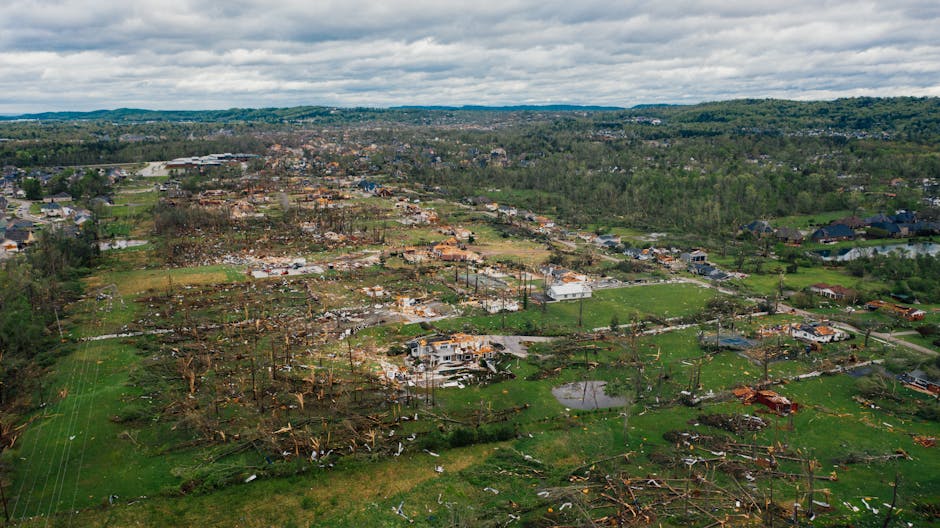
In conclusion, while it may seem like an unnecessary expense, insurance on vacant property is a smart investment. It shields you from unforeseen financial losses due to legal claims, natural disasters, and other risks associated with owning a vacant property.
Next, we’ll explore the key differences between vacant and unoccupied properties and how these distinctions affect your insurance needs.
Key Differences: Vacant vs. Unoccupied Property
When it comes to property insurance, understanding the difference between vacant and unoccupied properties is essential. These terms are not just semantics; they have real implications for your insurance coverage and risk assessment.
Vacant Property
A vacant property is one that lacks any personal belongings and is completely empty. Think of it as a house without furniture, utilities turned off, and no signs of recent human activity. There’s no intent for someone to return soon, making it a higher risk for insurance companies. Why? Because vacant properties are more susceptible to issues like vandalism, theft, and unnoticed damage.
A vacant property is typically one that has been empty for more than 30 days.
Unoccupied Property
An unoccupied property, on the other hand, is temporarily empty but set up for someone to return. The utilities might be on, and personal items are still present, indicating that the owner or tenant plans to come back. This setup means less risk for insurers compared to vacant properties. The presence of belongings and utilities suggests that someone is keeping an eye on the place.
Insurance Implications
The distinction between vacant and unoccupied properties significantly impacts insurance. Vacant property insurance is generally more expensive due to the increased risks. Insurers see these properties as more likely to incur damage or attract criminal activity because no one is around to notice or deter such events.
For unoccupied properties, insurance might be slightly less costly, reflecting the reduced risk. However, it’s crucial to inform your insurer of the property’s status. Misclassification can lead to denied claims, leaving you financially exposed.
Why It Matters
Understanding these differences ensures you get the right coverage. If your property is vacant, you need a policy that covers specific risks associated with its empty status. For unoccupied properties, you might need an endorsement to your existing policy.
Insurance policies for these types of properties have unique terms and conditions. Properly disclosing the status of your land is critical to ensure you have the correct coverage.
In the next section, we’ll dive into the coverage and limitations of vacant property insurance, including what you can expect in terms of medical bills, legal costs, and exclusions.
Coverage and Limitations of Vacant Property Insurance
Vacant property insurance serves as a safety net for property owners, but it’s important to know what this net covers—and what it doesn’t. Let’s explore the key aspects like medical bills, legal costs, and exclusions.
What’s Covered?
Medical Bills
Imagine someone walks onto your vacant land and trips over a hidden rock, injuring themselves. If you have vacant property insurance, it can cover their medical expenses. This coverage ensures you won’t have to pay out of your pocket for someone else’s accident.
Legal Costs
Accidents can sometimes lead to lawsuits. If someone sues you because they got hurt on your property, your insurance can cover the legal fees. Legal battles can be expensive and stressful, so having this coverage can ease the financial burden.
What’s Not Covered?
While vacant property insurance offers valuable protection, it does have limitations.
Purposefully Inflicted Injuries
Insurance is meant for accidents, not intentional harm. If someone gets hurt because of something you did on purpose, your insurance won’t cover it.
Worker Injuries
If you hire someone to work on your vacant land and they get injured, standard vacant property insurance usually won’t cover their medical bills. You might need a separate policy for this scenario.
Owner Injuries
Injuries to you, the property owner, your spouse, or dependents are not covered. This insurance focuses on third-party claims.
Why It Matters
Understanding these coverages and limitations is crucial. It helps you see the value of insurance on vacant property as a form of financial protection against accidents and legal claims. However, recognizing what the policy does not cover is equally important. It ensures you’re not caught off guard and can plan for additional insurance solutions if necessary.
“The essence of vacant land insurance is to provide a shield against the unforeseen.”
In the next section, we’ll address some of the most frequently asked questions about vacant property insurance, such as the difference between vacant and unoccupied insurance and why vacant property insurance can be more expensive.
Frequently Asked Questions about Vacant Property Insurance
Navigating vacant property insurance can be tricky. Let’s tackle some of the most common questions to help you better understand this type of coverage.
What is the difference between vacant and unoccupied insurance?
Insurance Risk
The terms “vacant” and “unoccupied” might seem similar, but they have different implications in the insurance world. Vacant properties are entirely empty—no people, no furniture, no personal belongings. They’re often seen as higher risk by insurers because they lack regular oversight, making them more susceptible to issues like break-ins and vandalism.
Unoccupied properties, on the other hand, still contain furniture and personal items. They might be temporarily empty, like a home during a vacation. Insurers view these as less risky because there’s an expectation of return and some level of maintenance.
Break-ins and Vandalism
Vacant properties are more attractive to vandals and thieves. Without regular human presence, they become easy targets. This increased risk often leads to higher insurance premiums for vacant property insurance compared to unoccupied property insurance.
Why is vacant property insurance so expensive?
Coverage Costs and Risk Factors
Vacant property insurance tends to be pricier due to the higher risk factors involved. Without regular maintenance and oversight, vacant properties are more likely to suffer from severe damage. For instance, a small leak can turn into a massive water damage issue if left unchecked.
Natural Disasters and Liability
Vacant properties are also more vulnerable to natural disasters like fires or storms, as there’s no one on-site to take preventive measures. Additionally, if someone gets injured on your vacant property, you could face liability claims. These risks contribute to the higher cost of insuring vacant properties.
How long can a house be vacant for insurance purposes?
Policy Terms and Coverage Duration
Each insurance provider has its own criteria for defining a property as vacant. Typically, if a property is unoccupied for more than 30 to 60 days, it’s considered vacant. Policy terms vary, so it’s crucial to check with your insurer to understand how long your property can remain vacant before it affects your coverage.
Coverage Duration
If your property is expected to be vacant for an extended period, consider a specialized vacant property insurance policy. These policies are designed to cover the unique risks associated with long-term vacancies, providing peace of mind that your property is protected.
Understanding these aspects of vacant property insurance can help you make informed decisions about your coverage needs. In our next section, we’ll explore more about the key differences between vacant and unoccupied properties and their insurance implications.
Conclusion
When it comes to safeguarding your vacant property, ISU Armac stands out as a trusted partner dedicated to providing custom solutions. We understand that each property is unique, and so are the challenges that come with insuring vacant land or buildings.
Custom Solutions for Unique Needs
At ISU Armac, we believe in the power of customized insurance solutions. We take the time to understand your specific situation, ensuring that the coverage you receive truly meets your needs. Whether you’re dealing with a parcel of land awaiting development or a vacant home in transition, our team is equipped to craft a policy that addresses your particular risks and concerns.
Peace of Mind Through Comprehensive Coverage
Owning vacant property comes with its own set of responsibilities and potential liabilities. Without the right insurance, you could face significant financial burdens from legal claims, property damage, or unforeseen events. By choosing ISU Armac, you’re not just purchasing insurance—you’re investing in peace of mind. Knowing that your property is protected allows you to focus on your future plans without worry.
We invite you to explore our Vacant Land Insurance options and find how our expertise can benefit you. Our commitment goes beyond just providing coverage; we’re here to guide you through the complexities of vacant property insurance, ensuring that you feel informed and confident every step of the way.
In insurance, having a partner like ISU Armac means having a team that prioritizes your financial security and peace of mind. Don’t leave your investment unprotected—reach out to us today to learn more about how we can help secure your vacant property.